ch
ch English
Creating sculptures of IP characters involves navigating a complex legal environment that stresses understanding copyright laws. Artists should remember that direct duplications can lead to infringement claims, making it essential to familiarize themselves with fair use principles. Emphasizing transformative aspects in their works can strengthen their position against copyright challenges. Artists are encouraged to seek permissions when possible, as this can foster a respectful dialogue with IP owners and enhance their artistic integrity. Additionally, staying connected with the broader artistic community and legal experts can provide valuable support in addressing the nuances of IP rights, ensuring that creativity and compliance go hand in hand.
Understanding Copyright Constraints in IP Character Sculptures
Creating sculptures based on IP characters presents unique copyright challenges. Copyright law protects original works, meaning artists must be cautious. Directly replicating characters may lead to infringement claims from the IP owners. However, artists can explore transformative interpretations that may qualify for fair use. A common guideline for fair use considers whether the new work adds new expression or meaning to the original. As such, artists should ask questions like, "How does my sculpture differ from the original IP?" and "Am I providing a new perspective?"
"To navigate these constraints effectively, consider reaching out for permissions or using creative methods that reflect your personal style.” It’s essential to stay informed about copyright laws and seek legal advice when necessary. By understanding these constraints, artists can create compelling sculptures while minimizing legal risks associated with their work in the market.
Fair Use Principles: How They Apply to Character Sculpture Creations
Fair use is an essential concept for artists working with IP character sculptures. This legal doctrine allows for some leeway in using copyrighted materials without permission, provided certain criteria are met. For instance, an artist might create a sculpture inspired by a well-known character while ensuring that their work is transformative—adding new expression or meaning that distinguishes it from the original. Key factors in this evaluation include the purpose of the use, the nature of the original work, the amount used, and its effect on the market value of the original IP.
Artists should aim to bring a unique voice or perspective to their sculptures, which can help bolster their fair use argument. However, it's vital to tread carefully; relying solely on fair use can be risky without legal clarity. The line between inspiration and infringement is often fine, and each case may differ significantly based on specifics. Artists must consider these nuances to navigate the complexities of IP rights effectively while pursuing their creative endeavors in character sculpture. Additionally, learning about related topics such as Kinetic sculpturecould offer further insights into innovative artistic expressions that respect IP boundaries.
The Artist's Journey: Navigating Legal Challenges in IP Artwork
Creating IP character sculptures involves understanding a web of legal challenges. Artists must first grasp the basics of copyright law to ensure their work stays within acceptable boundaries. While some may rely on informal agreements or assume safe practices, the risks remain significant. Artists often navigate these waters cautiously, seeking advice or exploring fair use. However, fair use can be tricky; it hinges on how transformative the work is compared to the original character. Many artists invest time in crafting unique interpretations that contribute to their personal style while balancing respect for original creators. As they progress, artists are encouraged to document their creative process, which can help clarify their intent and support their legal standing if questioned about their work’s originality. This journey of discovery is a crucial part of being an IP artist today, as understanding these challenges enhances both creativity and compliance in this dynamic field.
Transformative Art: When IP Character Sculptures Qualify for Fair Use
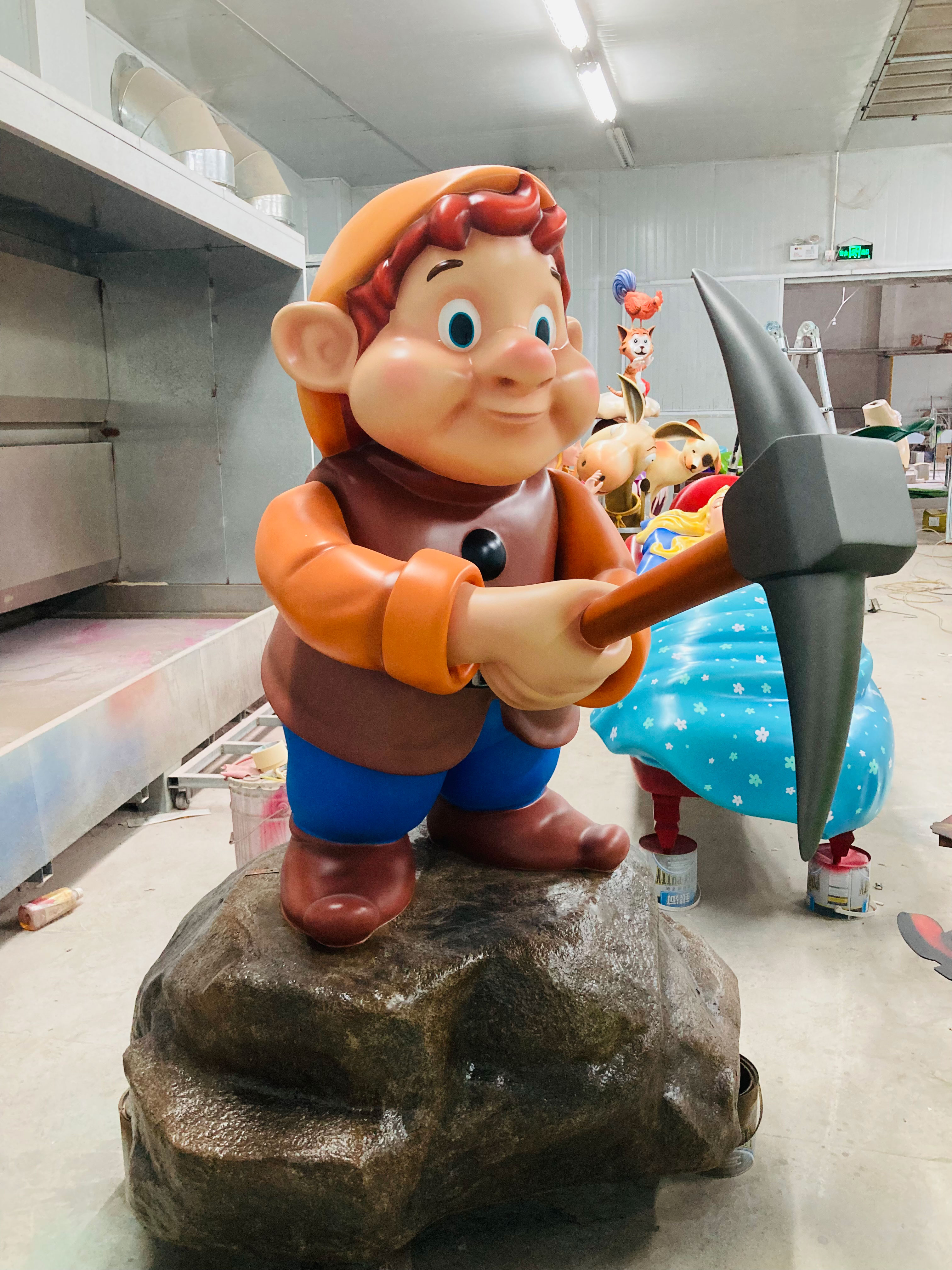
Transformative art is a critical aspect when discussing the legality of creating sculptures based on IP characters. To qualify for fair use, a piece must significantly alter the original work, offering new meaning or message. For example, a sculpture that reinterprets a character in an unexpected context or medium could be deemed transformative. Many artists aim to add distinct features or concepts that reshape the original character rather than replicate it. By doing so, they can present their unique vision while navigating the complexities of copyright law. However, the line between inspiration and infringement can be thin, making it essential for artists to carefully assess their work against established fair use criteria. Understanding this balance empowers creators in the IP character sculpture space to explore their art without crossing legal boundaries while embracing innovation within their craft.
Licensing Agreements: A Key Consideration for IP Artistry
When creating sculptures of IP characters, understanding licensing agreements is crucial. These agreements allow artists to legally use specific characters or designs. Without a proper license, artists may face legal challenges. Licensing can range from official collaborations with IP holders to obtaining permission for a limited use. Artists should consider reaching out directly to copyright owners, as many companies support fan art and related creations under certain terms. Additionally, keeping records of any agreements can help protect artists in case of disputes. By navigating these licensing requirements, artists can create their work while respecting the rights of original creators.
| Aspect | Importance |
|---|---|
| Understanding Rights | Essential for legal compliance |
| Communication | Key to obtaining permissions |
| Documentation | Protects against future disputes |
The Role of Permissions in Creating Sculptures from IP Characters
Obtaining permissions is crucial when creating sculptures based on IP characters. While some artists may not see the immediate need for formal agreements, understanding the importance of permissions can save them from legal troubles later. Copyright holders often issue licenses that allow artists to create derivative works legally. These agreements outline how the art can be used, ensuring that both parties' rights are respected. Furthermore, when artists seek permission, they might gain insights directly from creators about their vision and character nuances, adding depth and authenticity to their work. Without these permissions, artists risk infringing on intellectual property rights, which can lead to disputes and the potential for financial penalties. Therefore, it’s essential for sculptors to investigate available licensing options before embarking on projects inspired by existing IP characters. For more insights on character artwork creation, visit Cartoon sculpture.
Best Practices for Artists Crafting Realistic IP Character Sculptures
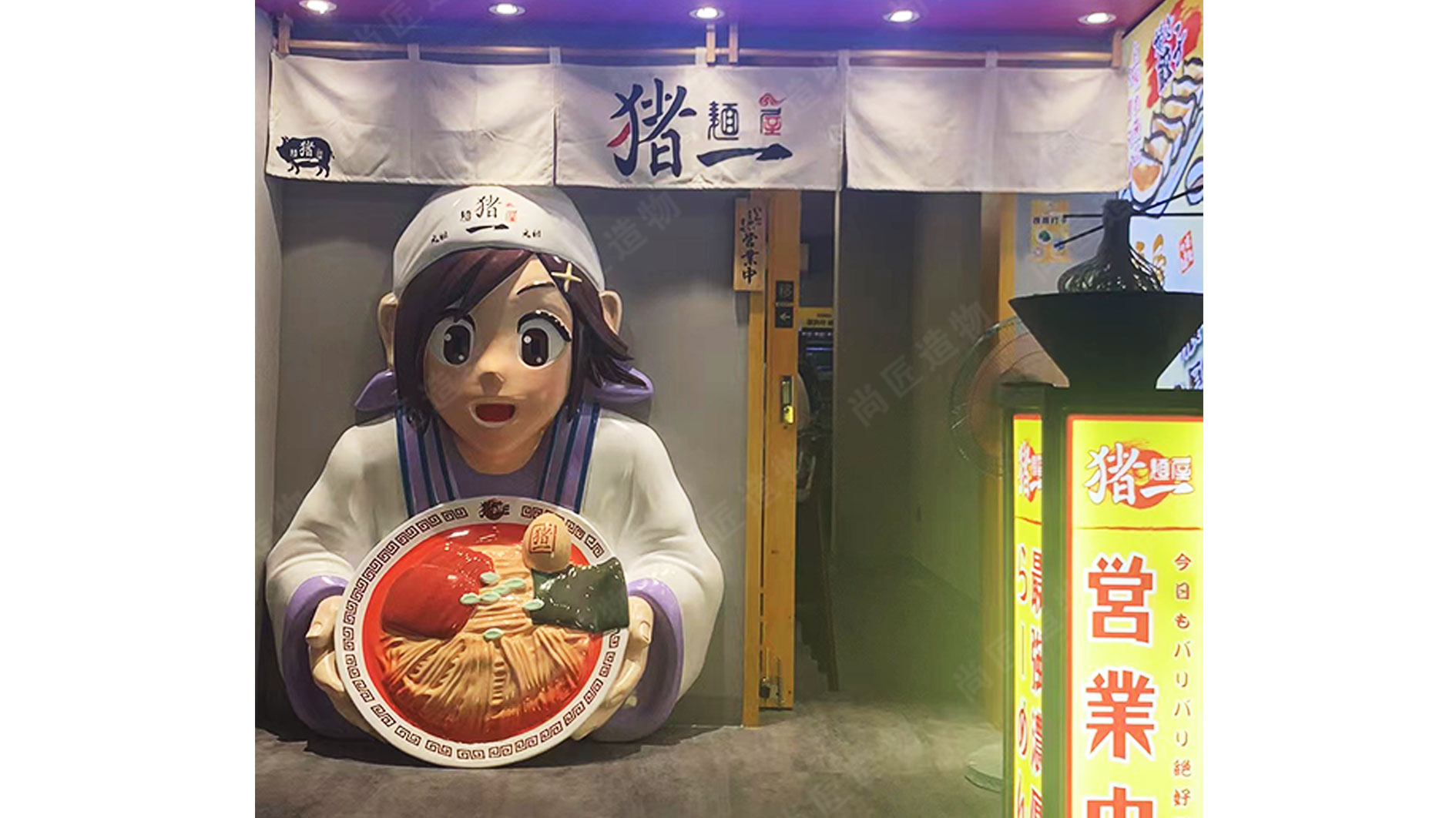
When creating realistic sculptures based on IP characters, artists should prioritize understanding the legal framework surrounding their work. First, it’s essential to conduct thorough research on the specific IP and any existing copyright laws that may apply. This knowledge helps in determining if the work can be considered transformative under fair use regulations. Moreover, artists should always consider seeking permission from copyright holders when possible, as licensing agreements can clarify usage rights and protect against potential legal issues. Also, connecting with other artists in similar fields can provide valuable insights and best practices related to navigating these legal complexities. Utilizing resources like Realistic sculpturetutorials can further enhance skills while ensuring compliance with legal standards. By following these practices, artists can craft sculptures that respect intellectual property rights while showcasing their creativity.
Marketplaces and Legal Risks: Selling IP Inspired Sculptures Online
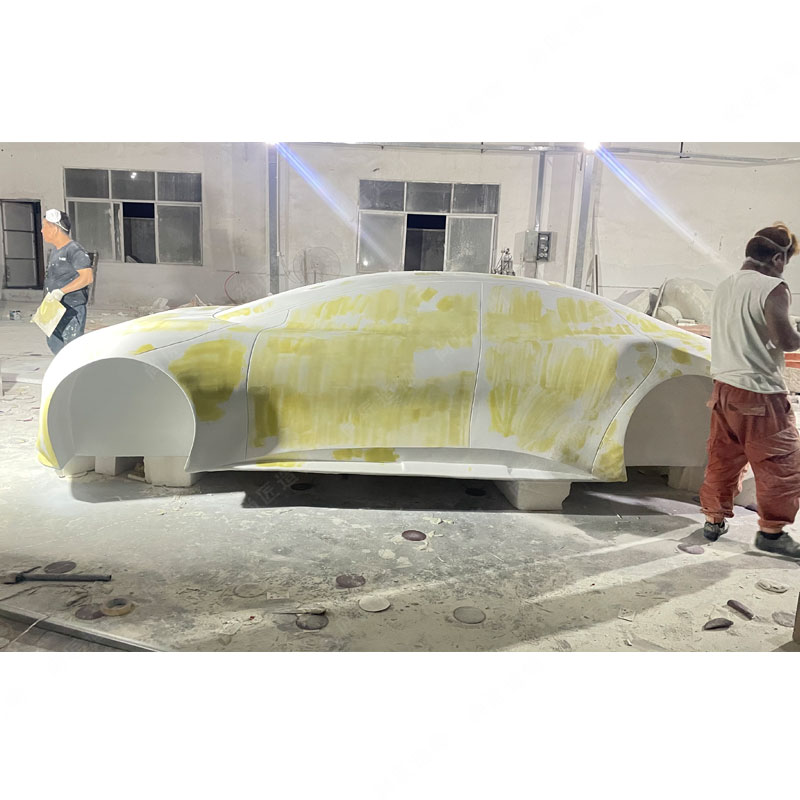
When selling IP inspired sculptures online, artists face significant legal risks. Platforms like Etsy and local comic conventions provide opportunities for showcasing and selling creative works. However, these marketplaces are closely monitored by intellectual property holders. Artists must be cautious, as they could receive cease-and-desist letters for potential copyright infringement. Understanding the rules regarding fair use is crucial; sculptures that significantly transform original characters may qualify for protection. It's also wise to consider licensing agreements, which can formalize the terms of using the intellectual property legally. Whether working within marketplaces or vending independently, artists need to stay informed about the evolving landscape of copyright laws to navigate this complex terrain successfully.

Conclusion
Navigating the legal landscape of creating IP character sculptures is essential for artists aiming to express their creativity while adhering to copyright laws. By understanding copyright constraints, fair use principles, and licensing agreements, artists can mitigate risks associated with infringement claims. Furthermore, being proactive in seeking permissions can lead to more respectful and informed creations. This careful balance enables artists to explore their art form authentically while respecting the rights of original creators. As the industry evolves, staying educated on legal standards will be key in fostering innovation and ensuring a sustainable practice in IP character artistry.
FAQs
What are the copyright implications for artists creating IP character sculptures?
Artists must be aware that directly replicating IP characters can lead to copyright infringement, so understanding copyright law is essential.
How does fair use apply to IP character sculptures?
Fair use allows some creative flexibility, provided the work adds new meaning or expression that distinguishes it from the original.
Should artists seek permissions when creating sculptures based on IP characters?
Yes, obtaining permissions is advisable, as it can prevent legal disputes and comply with copyright laws.
What should an artist consider to make their work transformative?
Artists should ask if their sculpture offers a new perspective or reinterprets the character in a meaningful way.
How can knowing licensing agreements benefit an artist?
Understanding licensing agreements helps artists use characters legally and protects them from potential infringement issues.