ch
ch English
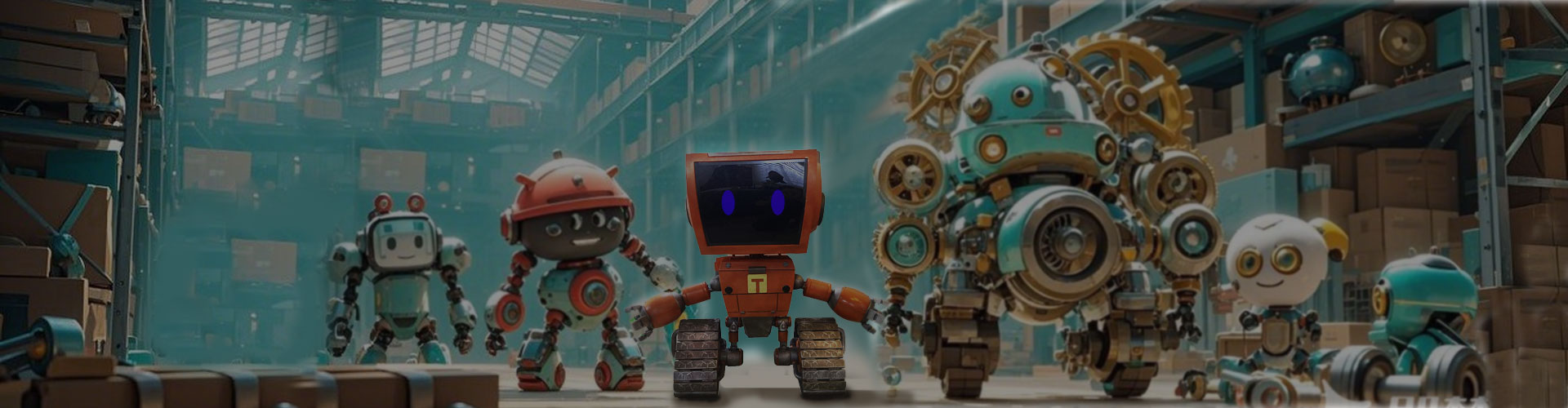
Navigating the legal landscape of licensed character statues requires a nuanced understanding of intellectual property laws. Artists should prioritize obtaining appropriate permissions to avoid potential disputes. It’s vital to recognize the differences between fan art and commercial sculpture, as this distinction can significantly impact legal standing. By establishing clear documentation and seeking written agreements, artists can safeguard their work from future claims. Furthermore, staying informed about copyright regulations and engaging with legal professionals for guidance can enhance compliance. This proactive approach not only benefits individual creators but contributes positively to the broader artistic community.
Understanding Intellectual Property Rights for Licensed Character Statues
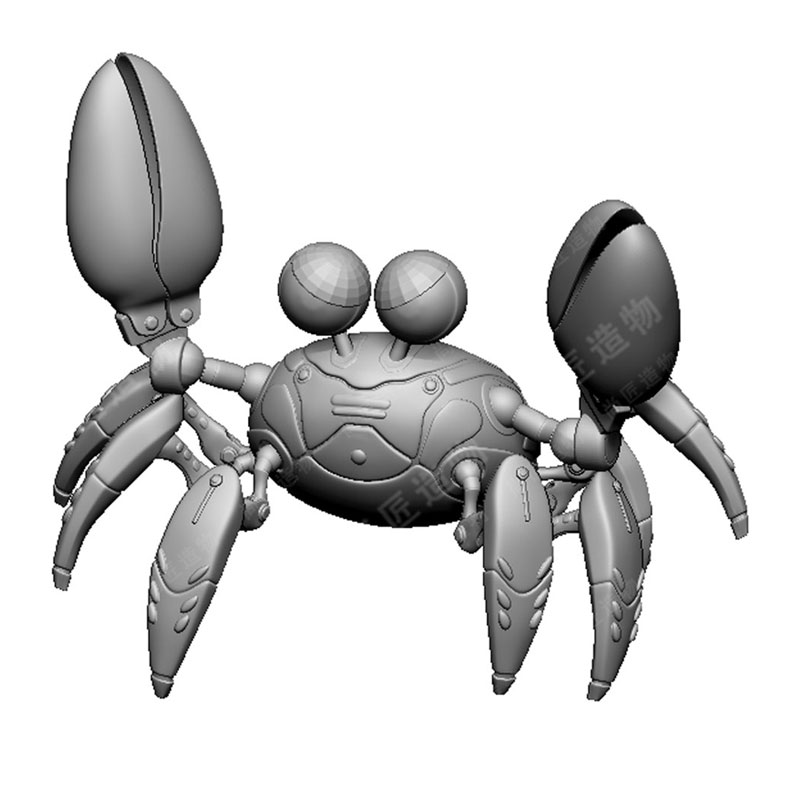
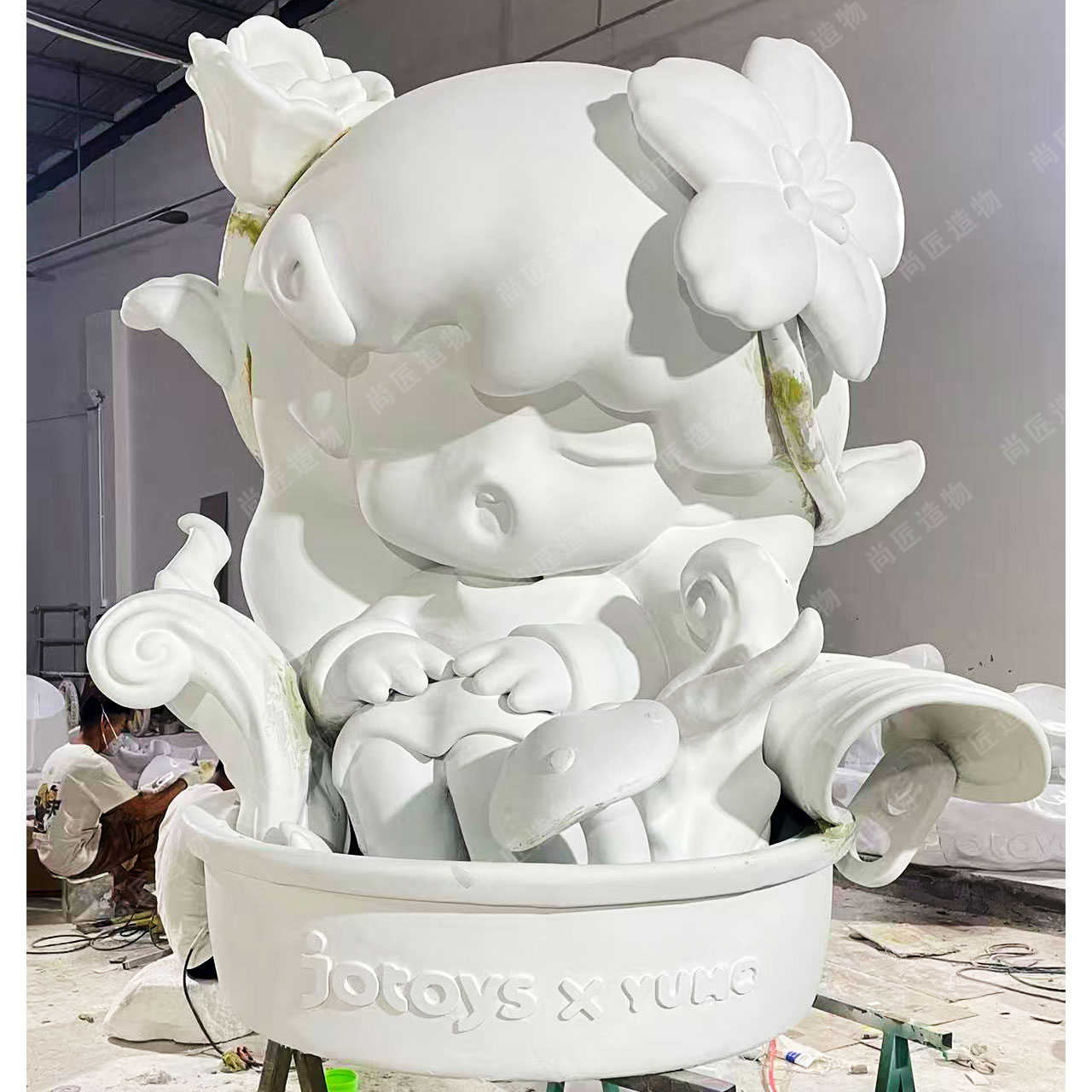
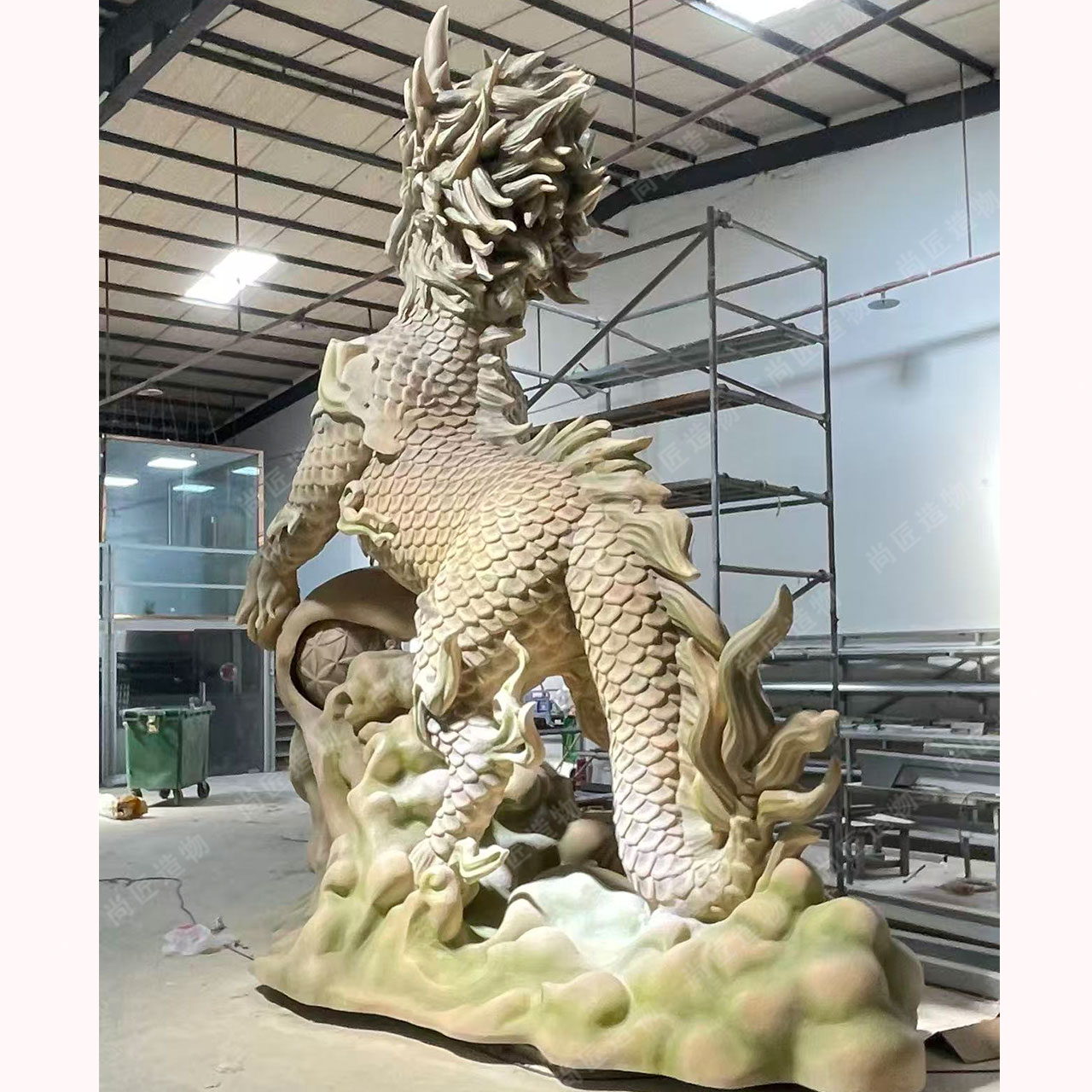
Creating licensed character statues requires a firm grasp of intellectual property rights. Generally, licensed characters belong to specific companies or individuals who hold the copyright. If you want to produce sculptures based on these characters, you must obtain permission from the rights holder. Not doing so could lead to legal issues, including cease-and-desist letters or even lawsuits.
It's essential to understand the difference between creating fan art and commercial products. Fan art often falls under fair use, but this doesn't apply when you sell your creations. As a tip for artists: always seek written agreements from rights holders; verbal permissions may not be sufficient in legal contexts.
"Secure a written agreement for any licensed character to protect your work from potential claims."
For further guidance on intellectual property in art creation, check out IP character sculpture. Understanding these nuances is critical to avoiding pitfalls while advocating for your artistic expression in the licensed merchandise space.
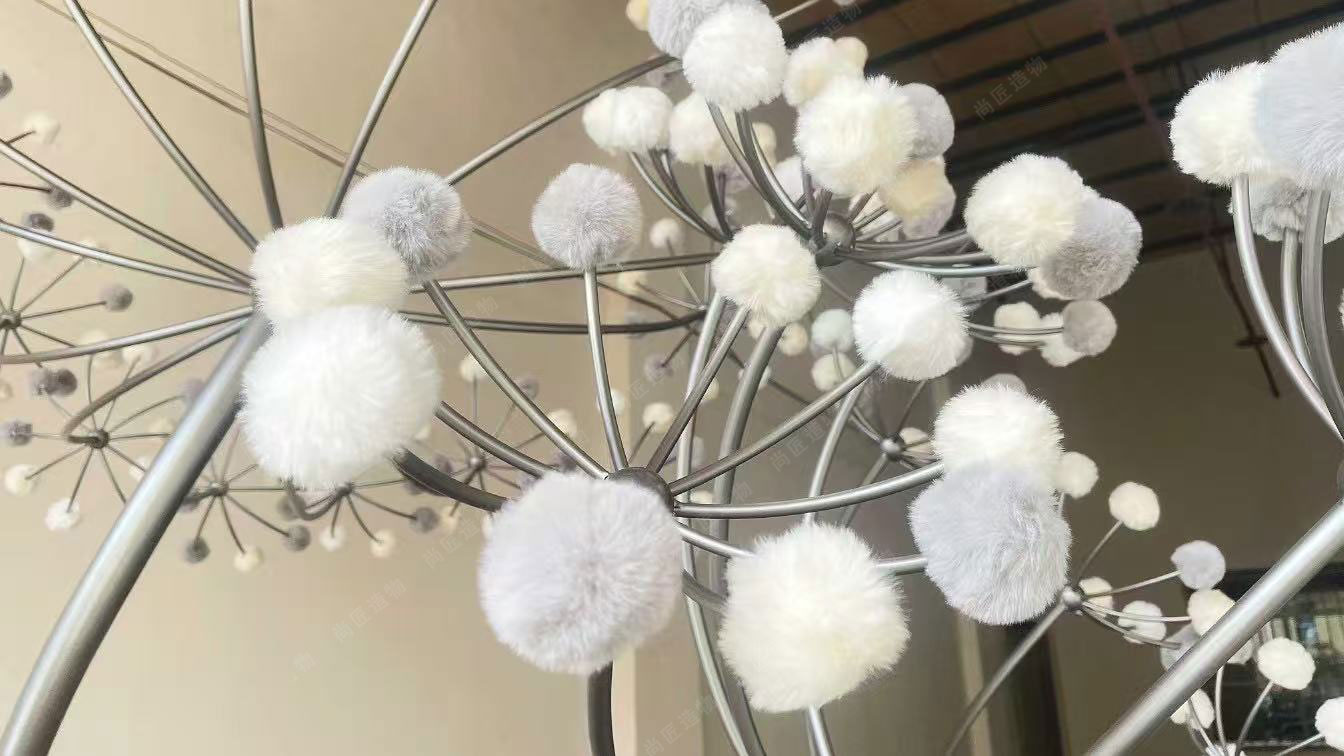
Key Legal Considerations When Creating Branded Mascot Sculptures
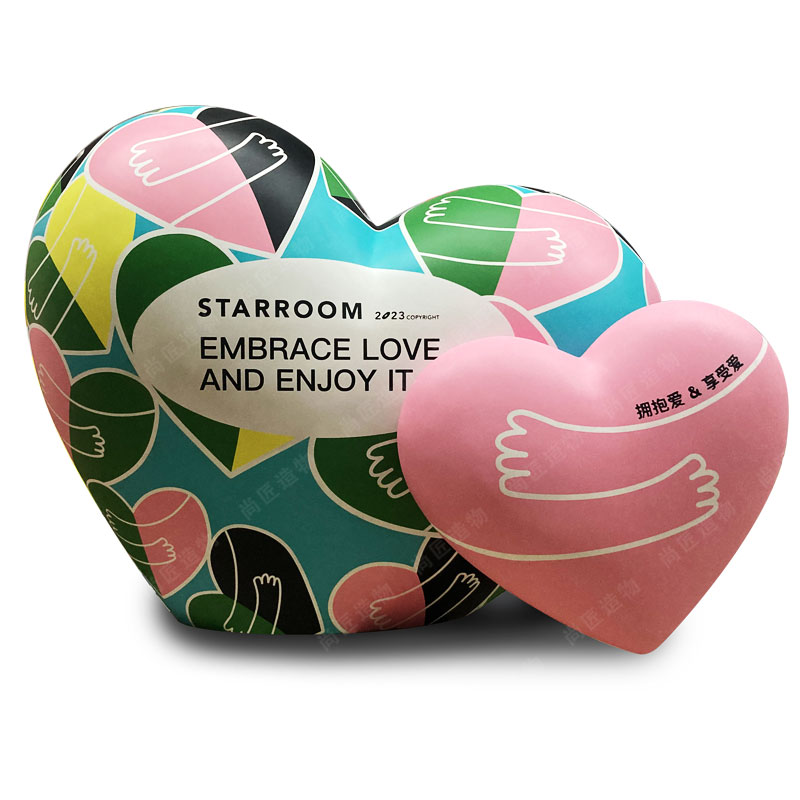
When creating branded mascot sculptures, it's crucial to understand the legal landscape surrounding licensed character statues. These sculptures often draw inspiration from popular culture, which can lead to potential copyright and trademark issues. Artists need to be aware that using images or likenesses of well-known characters without permission may infringe on the intellectual property rights of the original creators. This includes not only the character designs but also unique traits and associated branding elements. Securing licenses or permissions before using any established characters is essential to avoid legal complications. Additionally, understanding fair use provisions can help clarify what constitutes permissible use in an artistic context. Engaging in proactive conversations with rights holders can pave the way for legitimate collaboration. Fiberglass sculpturetechniques also offer a practical option for artists looking to innovate while adhering to legal standards, emphasizing the importance of balancing creativity with compliance.
Best Practices for Artists in Licensing and Character Design
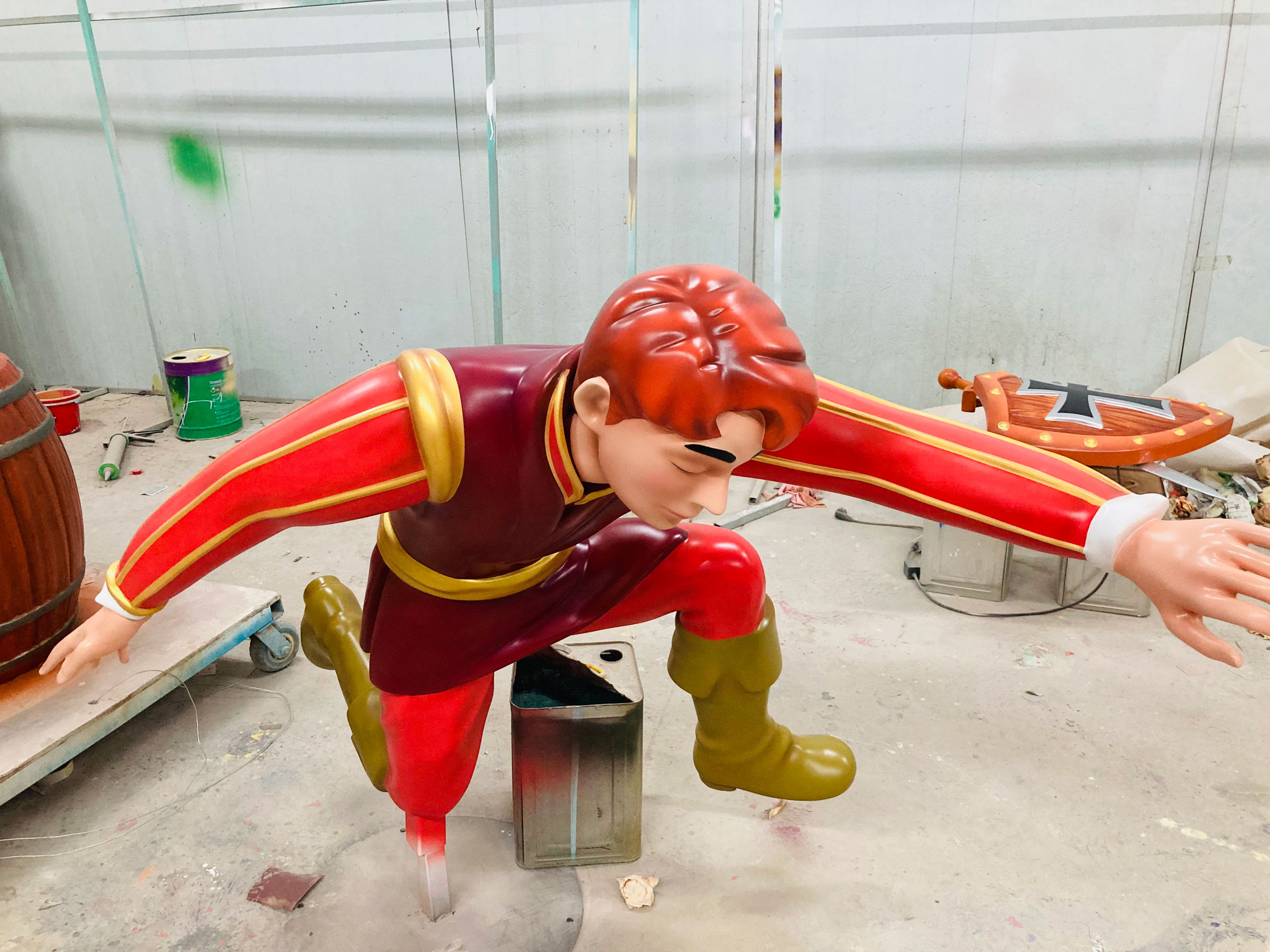
When designing licensed character statues, artists should focus on understanding the legal implications of their work. Firstly, it's crucial to research the specific rights associated with the characters they wish to depict. This includes knowing which characters are trademarked and understanding the scope of usage allowed under licensing agreements. Additionally, artists should consider creating original interpretations rather than direct replicas to reduce potential legal issues. Establishing clear documentation about ownership and usage rights can protect artists from future disputes. Moreover, seeking legal advice when in doubt is a proactive step to ensure compliance with intellectual property laws. By incorporating these best practices, artists can confidently navigate the complexities of licensing while enhancing their creative expressions. For example, utilizing materials such as Stainless steel sculpturecan provide a unique twist to their designs and stand out in a competitive market.
Navigating Copyright Issues in Mascot Sculpture Creations
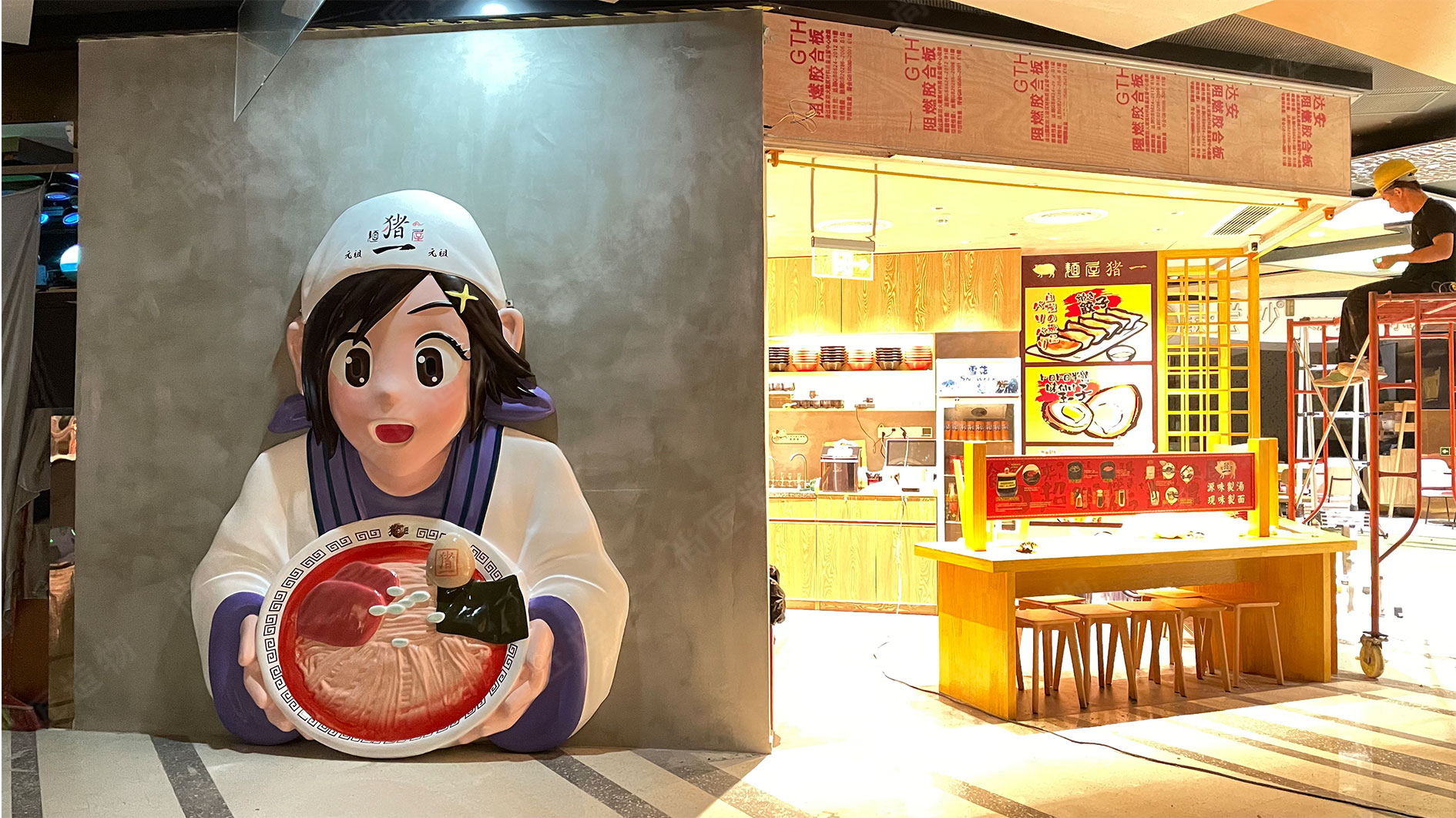
When creating mascot sculptures that include licensed characters, understanding copyright law is essential. Copyright protects the original expressions of ideas, and using images or likenesses of licensed characters without permission can lead to legal complications. Artists should be aware that vendors cannot simply rely on luck when producing these works. It’s crucial to obtain licenses or permissions from the rights holders before selling any sculptures featuring popular characters. This ensures that the creator respects intellectual property rights and avoids potential lawsuits. Additionally, artists should consider consulting legal professionals who specialize in intellectual property to navigate specific use cases effectively. Complying with copyright laws not only protects the artist but also upholds the integrity of creative works in the industry. For those interested in dynamic approaches to sculpture, exploring Kinetic sculpturecan also inspire innovative designs while staying within legal boundaries.
Legal Guidelines for Selling Works Featuring Licensed Characters
When selling works that feature licensed characters, it’s crucial to understand the framework of copyright and trademark laws. These laws protect the original creators of the characters, meaning that using them in your sculptures without proper permission could lead to legal issues. First, always check if you need a license for the character you wish to depict. Licensing agreements typically outline what can be used and how it can be sold. Moreover, ensure that your work does not mislead customers into thinking it is officially endorsed or affiliated with the character’s owner. This includes avoiding similar packaging, branding, or marketing strategies that could cause confusion. To navigate these waters effectively, collaborating with legal experts who specialize in intellectual property can provide valuable insights and help secure the necessary permissions for your creations.
The Relationship Between Fan Art and Licensed Character Statues
Fan art often serves as a bridge between personal expression and commercially licensed characters. Artists create fan art to celebrate the characters they love, but this can lead to a gray area in terms of intellectual property rights. Licensed character statues derived from popular media can raise questions about originality and legality. While fan art is typically seen as a tribute, selling pieces that closely resemble licensed characters can invite scrutiny from copyright holders. This relationship highlights the tension between artistic freedom and legal boundaries. Artists should be aware that while personal projects may not face immediate consequences, commercial ventures involving likenesses of licensed characters often do require careful consideration of copyrights and permissions. For those exploring the realm of branded mascot sculptures, understanding these nuances can help navigate potential legal challenges ahead. For inspiration on creating realistic depictions, consider referencing detailed guidelines from Realistic sculpture.
Commercial Use of Licensed Characters: What You Need to Know
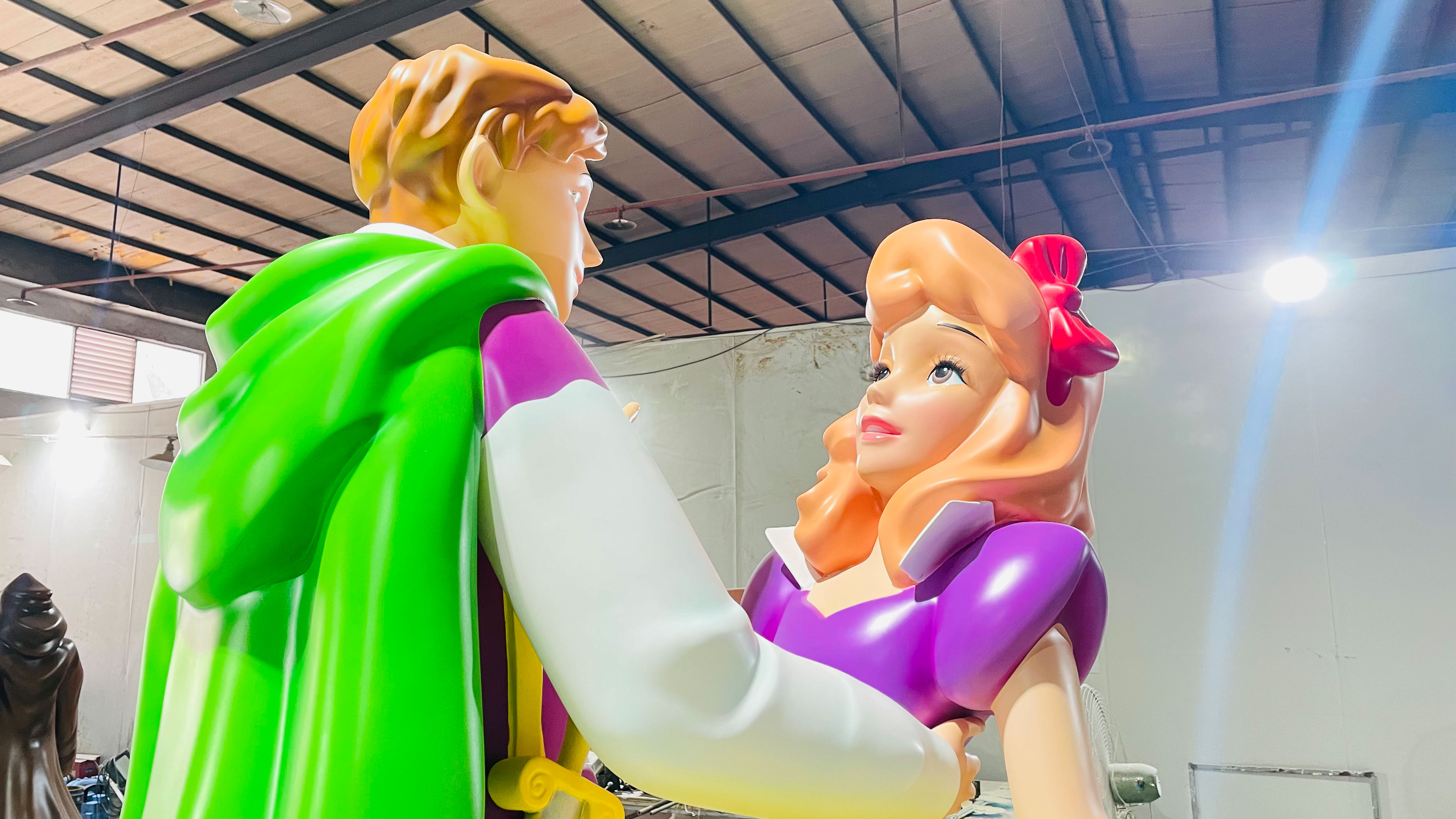
When creating branded mascot sculptures that incorporate licensed characters, it's essential to understand the boundaries of commercial use. These characters are protected by copyright and trademark laws, which means unauthorized use can lead to legal penalties. If you plan to sell items featuring these characters, ensure you have the right permissions from the intellectual property holders. This often involves negotiating licensing agreements that outline specific terms for creating and distributing your sculptures. Additionally, be aware of the distinction between fan art and commercial production; while fan art may have more leniency, selling creations typically requires formal agreements. Always conduct thorough research and consult legal professionals to navigate this complex landscape effectively.
Conclusion
Navigating the legalities of licensed character statues is essential for artists to safeguard their creative endeavors. By understanding the intricate web of intellectual property rights, artists can create works that not only respect existing laws but also enhance their artistic vision. Securing licenses, recognizing the difference between fan art and commercial use, and establishing clear agreements with rights holders are all critical steps in this journey. Furthermore, artists must remain vigilant about potential copyright issues and actively seek legal counsel to navigate these complexities. Establishing best practices not only protects individual creations but also promotes a healthier environment for artistic expression within the licensed merchandise market.
FAQs
What are the legal requirements for creating licensed character statues?
To create licensed character statues, you must obtain permission from the rights holders. Failing to do so can result in legal repercussions.
How does copyright law affect mascot sculpture artists?
Copyright law protects original expressions, meaning using licensed characters without permission can lead to infringement claims.
Can I sell sculptures that include licensed characters?
Yes, but you need a license or permission from the rights holders to avoid legal issues.
Is there a difference between fan art and commercial products?
Yes, fan art may qualify as fair use when not sold, while commercial products require proper licensing to use recognizable characters legally.
How should artists verify their rights for creations involving licensed characters?
Artists should seek written agreements with rights holders and consult with legal experts specializing in intellectual property to ensure compliance.
What are some common pitfalls to avoid when creating branded mascot sculptures?
Common pitfalls include failing to secure licenses, misrepresenting products as officially endorsed, and not understanding the scope of fair use in artistic expressions.