ch
ch English

Creating stunning stainless steel sculptures involves several critical aspects that artists must consider. Emphasizing proportion ensures the artwork harmonizes with its surrounding environment, while balance adds stability and visual interest. Incorporating texture can transform the steel's surface, enhancing depth and creating more engaging pieces. Utilizing light effectively helps to highlight the reflective qualities of stainless steel, allowing the artwork to evolve with changing conditions. Finally, integrating movement or flow will evoke emotional responses and can guide viewer interactions. By applying these principles thoughtfully, artists can craft pieces that resonate deeply with those who encounter them.
Exploring the Artistic Potential of Stainless Steel Sculpture
Stainless steel sculptures offer a unique blend of durability and aesthetic appeal, making them an ideal medium for artists. The reflective quality of the metal can enhance natural light and surroundings, adding depth to any space. Artists can manipulate stainless steel using various techniques such as welding, cutting, and polishing to create intricate designs.
“The beauty of stainless steel lies in its ability to stand out while seamlessly blending into its environment.”
Choosing the right finish is crucial; a hand-polished look can give sculptures a more elegant touch, while a brushed finish can provide a modern feel. Additionally, these sculptures are weather-resistant, making them perfect for both indoor galleries and outdoor exhibitions. By incorporating elements like movement and flow into your designs, you can create pieces that engage viewers from all angles. For those looking to expand their artistic repertoire beyond steel, exploring other materials like fiberglass sculpture can yield exciting alternatives.
Techniques for Crafting Lifelike Sculptures with Steel Components
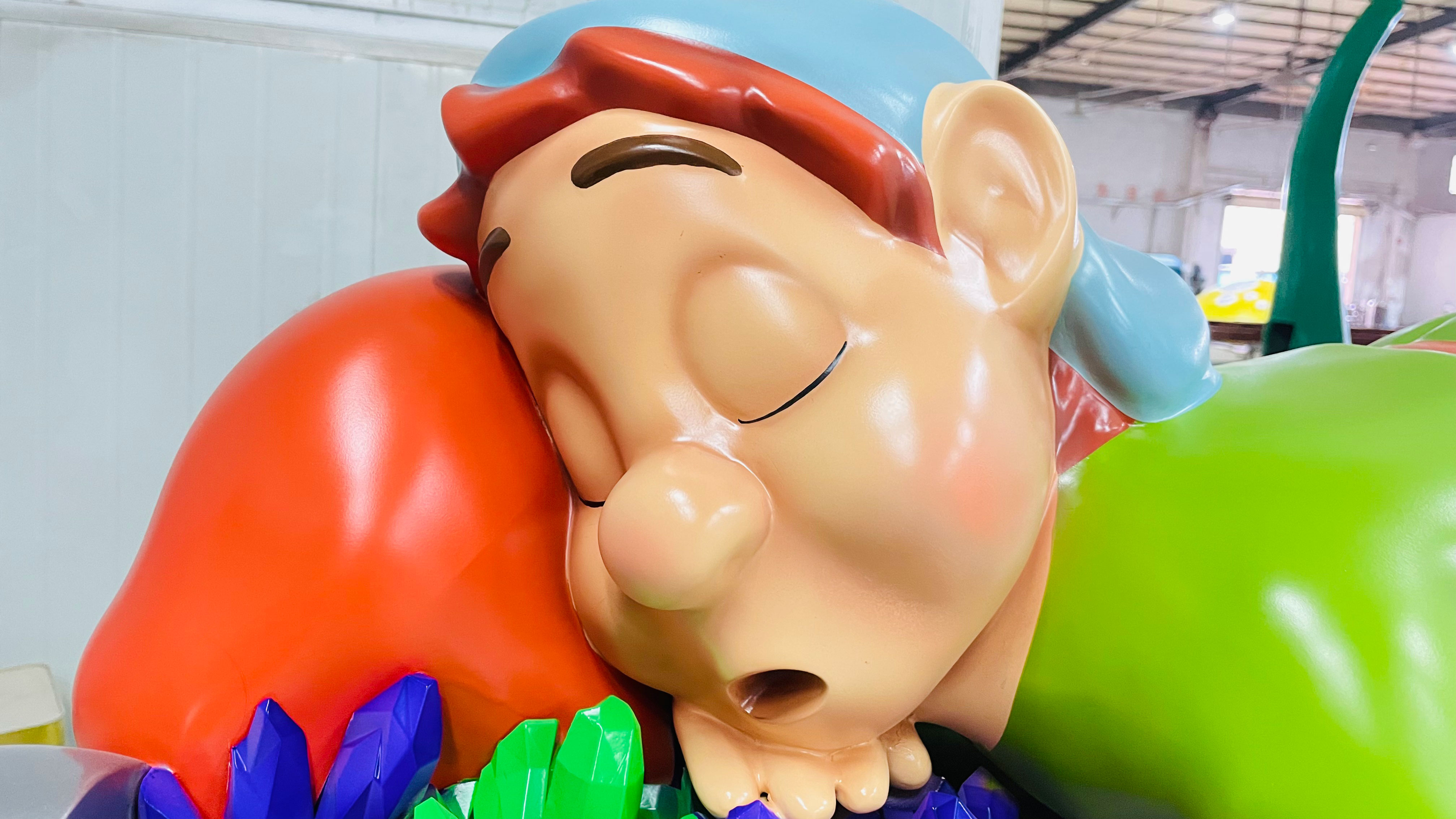
To create lifelike sculptures with stainless steel, it's essential to explore various techniques that emphasize realism. Begin by analyzing the form and proportion of the subject to ensure accurate representation. Utilizing advanced welding methods can help achieve seamless joints, which maintain the integrity of your design. Incorporating texture is another critical element; consider using tools like grinders or sanders to create a range of finishes that mimic organic surfaces.
Moreover, integrating movement can bring sculptures to life. Elements such as curves and angles can reflect light and shadow differently, offering dynamic visual interest. Lastly, pay attention to the scale; larger pieces may require more substantial detailing, while smaller works can capitalize on delicate intricacies. For more insights on achieving realism in your sculptures, check out Realistic sculpturefor techniques and tips that enhance your artistic expression.

Key Design Principles for Stunning Stainless Steel Artworks
Creating impressive stainless steel sculptures involves understanding key design principles that enhance the visual appeal and structural integrity of the artwork. Firstly, proportion plays a crucial role; the size and scale of the sculpture should harmonize with its surroundings. This ensures that the sculpture attracts attention without overwhelming the space. Secondly, balance is vital in achieving a sense of stability. Whether symmetrical or asymmetrical, balanced elements in your sculpture will create visual interest and harmony.
Additionally, texture can significantly influence the perception of a sculpture. Combining polished and brushed finishes can add depth and dimension to the piece. Moreover, the use of light is an essential principle; stainless steel's reflective properties can create dynamic interactions with ambient light, altering the artwork's appearance throughout the day.
Finally, consider incorporating movement or flow in your design to evoke emotions or convey narratives. By thoughtfully applying these principles, artists can elevate their creations into stunning steel artworks that resonate with viewers.
| Design Principle | Description |
|---|---|
| Proportion | Ensure harmony between size and surroundings |
| Balance | Achieve visual interest through stability |
| Texture | Combine finishes for depth and dimension |
| Light | Use reflective properties to create dynamism |
| Movement | Evoke emotions by incorporating flow into designs |
For further inspiration, check out this fantastic IP character sculptureexample that embodies these effective design principles beautifully.
Practical Tips for Sculpting with Stainless Steel Materials
When working with stainless steel, it’s essential to familiarize yourself with its unique properties. Begin by selecting the right gauge for your project; thinner gauges will bend easily, while thicker materials offer durability but may require more effort to manipulate. Use tools specifically designed for metal work, such as plasma cutters, angle grinders, and TIG welders, to ensure clean cuts and precise joints. Always wear appropriate safety gear, including gloves and goggles, when handling steel.
Moreover, consider the design's weight distribution and structural integrity to avoid potential tipping or bending in your final piece. To add depth and interest to your sculptures, experiment with different finishes—polished surfaces can create striking reflections while brushed finishes offer a more subdued appearance. Finally, keeping your workspace organized can significantly improve efficiency and safety while creating stunning stainless steel artworks. For those interested in kinetic sculpture elements, exploring Kinetic sculpturemight inspire new ways to integrate movement into your designs.
Inspiring Examples of Realistic Sculpture Using Stainless Steel
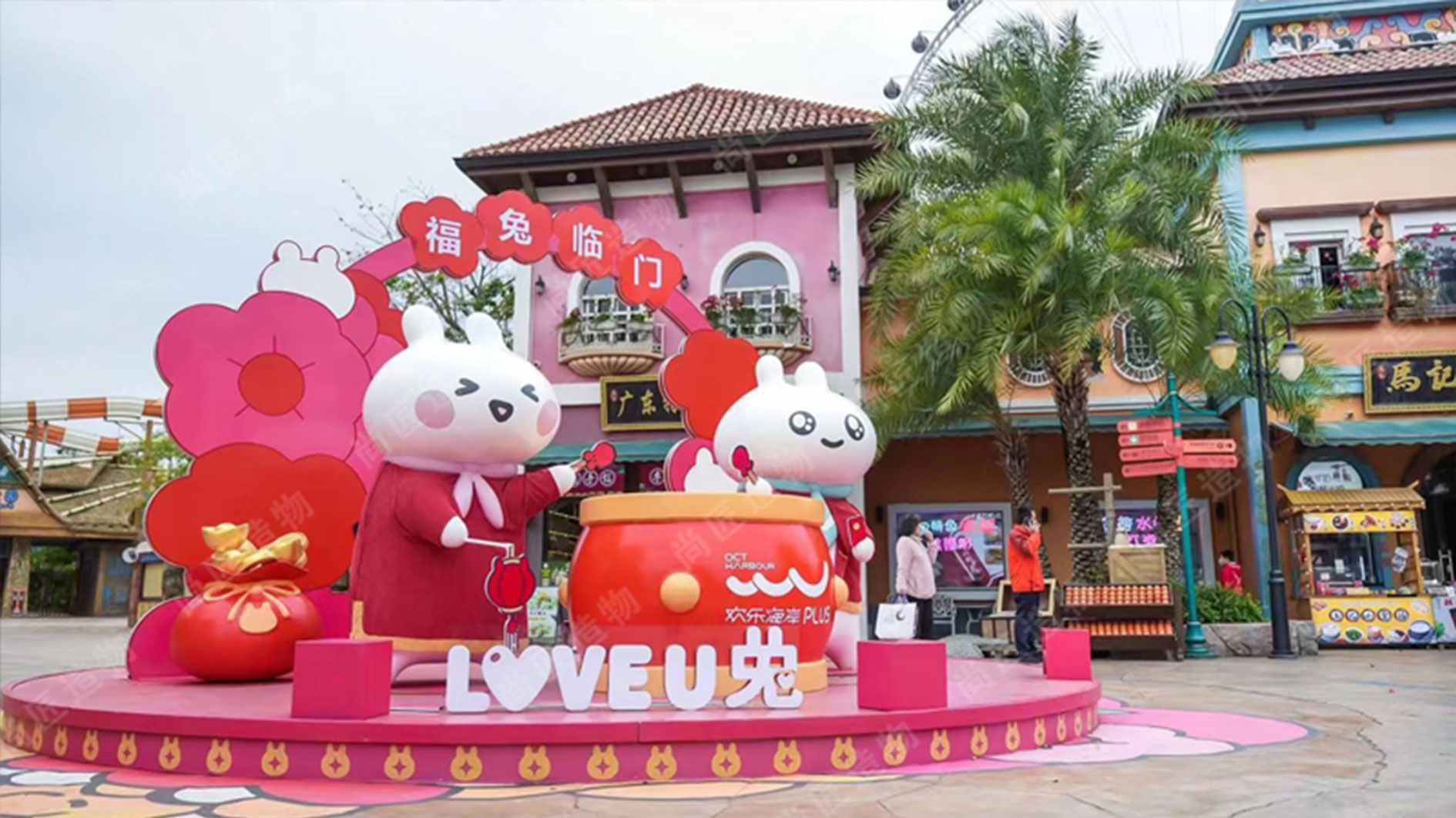
Stainless steel sculptures stand out due to their versatility and durability. One notable example is the depiction of animals, where artists intricately weave together different steel pieces to capture the essence of wildlife. These lifelike representations not only showcase craftsmanship but also highlight the natural movements and textures of the subjects. Another inspiring example can be found in abstract designs that resemble human figures, merging forms with empty spaces to create dynamic visual experiences. The reflective quality of stainless steel enhances these sculptures, allowing them to interact with their environment and change with the light. For those looking for unique themes, sculptures inspired by everyday objects can also be eye-catching, transforming familiar shapes into striking art pieces. The possibilities in creating realistic stainless steel artworks are endless, encouraging innovators to push boundaries and explore new artistic horizons. For a more whimsical take, visit Cartoon sculptureto see how playful designs bring joy while maintaining artistic integrity.
Innovative Process in Creating Impressive Steel Sculpture Designs
Creating impressive steel sculpture designs involves a blend of artistic vision and technical skill. The first step is to conceptualize the sculpture, focusing on the desired form and message. Sketching ideas can significantly help in visualizing the structure and proportions. Once a concept is established, choosing the right grade of stainless steel is crucial, as different grades offer varying characteristics like strength and resistance to weathering.
Next, cutting and shaping the material comes into play. Methods like CNC machining or hand fabrication allow for precise detailing, ensuring that every angle enhances the overall design. Welding techniques can seamlessly join components for a polished look, while polishing finishes provide additional visual appeal.
Throughout this process, it's important to consider how light interacts with the surfaces of the sculpture; this can dramatically affect how the piece is perceived from different angles. By employing these innovative techniques in your design process, you can achieve lifelike representations that capture attention in any setting. For more information on achieving creative designs with steel elements, explore Stainless steel sculpture.
Transforming Ideas into Reality: Custom Stainless Steel Sculptures
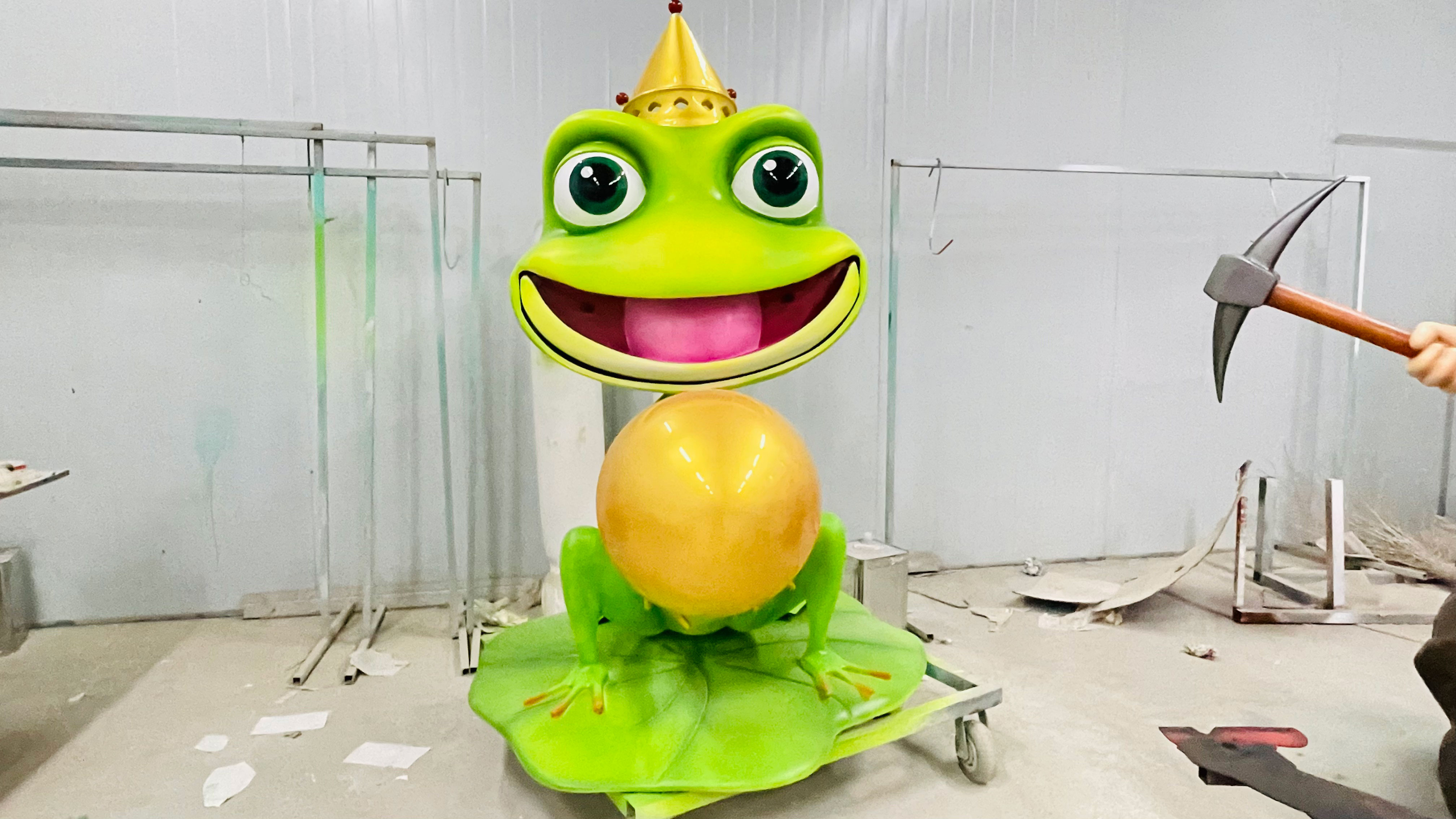
Creating custom stainless steel sculptures allows artists to bring their unique visions to life. The process begins with a clear concept, whether it's a specific theme, shape, or story the artist wishes to convey. Once the idea is established, sketches and models can help visualize the final piece. Choosing the right type of stainless steel is crucial; different grades offer varying benefits in terms of durability and finish. Techniques such as welding and polishing can enhance the sculpture's aesthetic appeal while ensuring it stands the test of time. Collaboration with skilled fabricators can also refine the process, as their expertise in handling steel can turn initial designs into tangible artworks. Ultimately, these custom creations become a reflection of personal artistry, transforming individual ideas into remarkable works that resonate with viewers.
Conclusion
In conclusion, the journey of creating stainless steel sculptures encompasses a rich blend of creativity and technical proficiency. Artists who delve into this medium not only explore the inherent qualities of stainless steel but also express their unique artistic visions. By adopting design principles, honing their techniques, and drawing inspiration from contemporary examples, they can transform ordinary spaces into extraordinary experiences. Each piece crafted in stainless steel becomes a testament to the artist’s skill and imagination, inviting viewers to engage with the artwork in meaningful ways. As innovation continues to shape artistic practices, the potential for stunning stainless steel sculptures remains limitless, encouraging artists to push boundaries and explore new horizons in their craft.
FAQs
What are the advantages of using stainless steel for sculptures?
Stainless steel is durable, weather-resistant, and offers a unique aesthetic with its reflective properties, making it suitable for both indoor and outdoor art installations.
How do I start creating a stainless steel sculpture?
Begin with a clear concept or idea, sketch your designs, and choose the appropriate grade of stainless steel for your project.
What techniques are essential for working with stainless steel?
Key techniques include welding for joining pieces, cutting for shaping, and polishing to enhance the finish. Familiarizing yourself with metalworking tools is also critical.
Can stainless steel sculptures be displayed outdoors?
Yes, stainless steel sculptures are ideal for outdoor display due to their resistance to corrosion and ability to withstand various weather conditions.
What design principles should I consider when creating a sculpture?
Focus on proportion, balance, texture, light interaction, and movement to create a visually striking piece that resonates with viewers.