ch
ch English
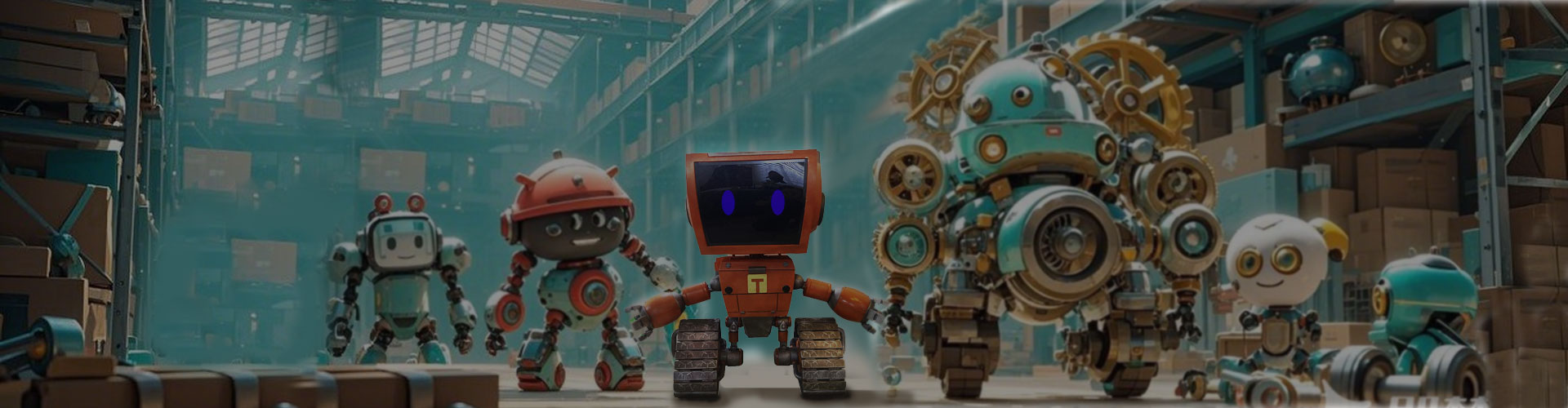
Branded mascot sculptures, rooted in a blend of art and commerce, serve as a compelling reflection of fan culture and the significance of licensed characters. These creations thrive in an environment where legal considerations, such as licensing agreements and copyright permissions, guide artistic expression. Artists navigate a delicate balance between embracing inspiration and respecting trademark rights. The continuous evolution of public interest in these statues indicates a thriving marketplace influenced by both nostalgia and emotional connections. Consequently, collectors are drawn not only to the artistic craftsmanship but also to the cultural narratives encapsulated within each piece. Understanding these dynamics enriches the appreciation of licensed character statues as valuable cultural artifacts.
Branded Mascot Statues: An Artistic Fusion of Creativity and Commerce
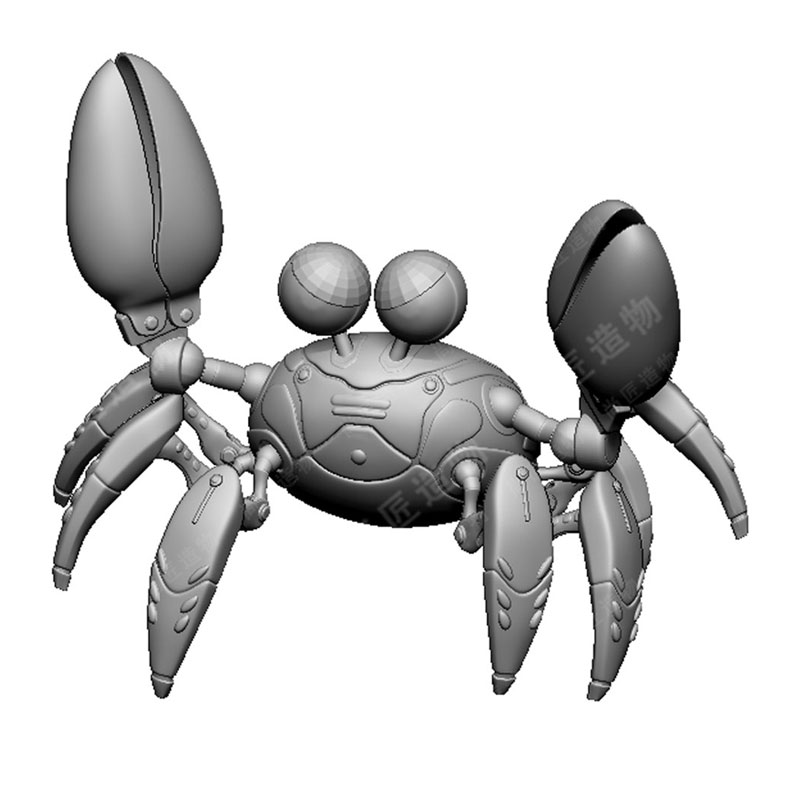
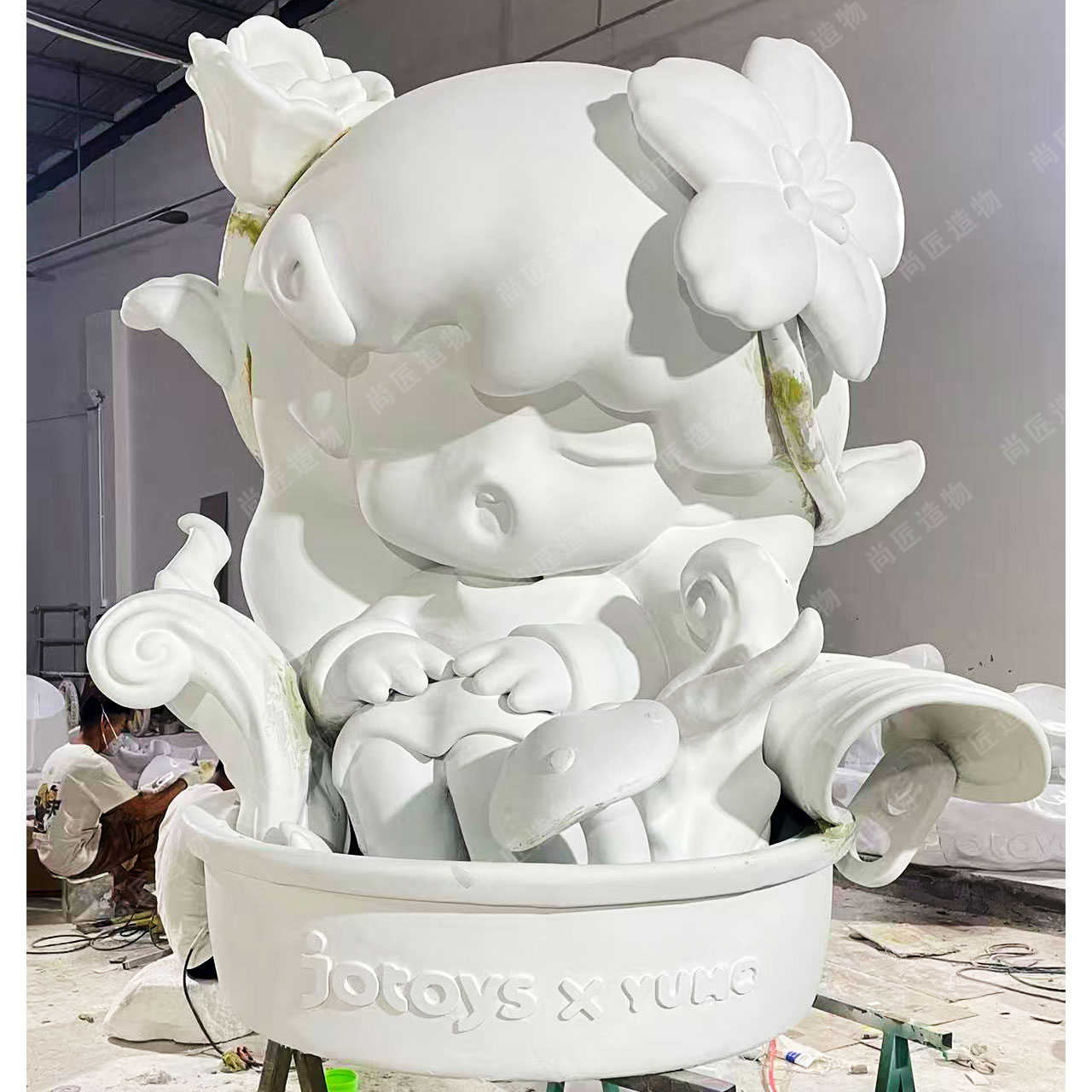
Branded mascot statues have become a prominent intersection of creativity and commerce, reflecting the popularity of licensed characters across various media. These sculptures not only embody artistic talent but also serve as a commercial product that appeals to fans and collectors alike. Artists often draw inspiration from beloved figures, transforming them into tangible representations that fans can cherish. However, this creative process raises important questions regarding the legal implications of using copyrighted characters. As many creators navigate the complexities of intellectual property, it’s essential to understand the balance between art and commerce in this vibrant market.
"In creating licensed character sculptures, clarity on copyright permissions can help avoid potential legal issues."
Collectors often seek out these unique pieces for their artistic value and emotional connection to the characters. The demand for licensed character statues indicates a thriving market that bridges the gap between fandom and artistry. Artists must carefully consider their approach to ensure respect for original works while exploring their creativity within this established framework. For those interested in expanding their collection or creating original sculptures, exploring materials like Stainless steel sculpturemay also provide innovative avenues for artistic expression.
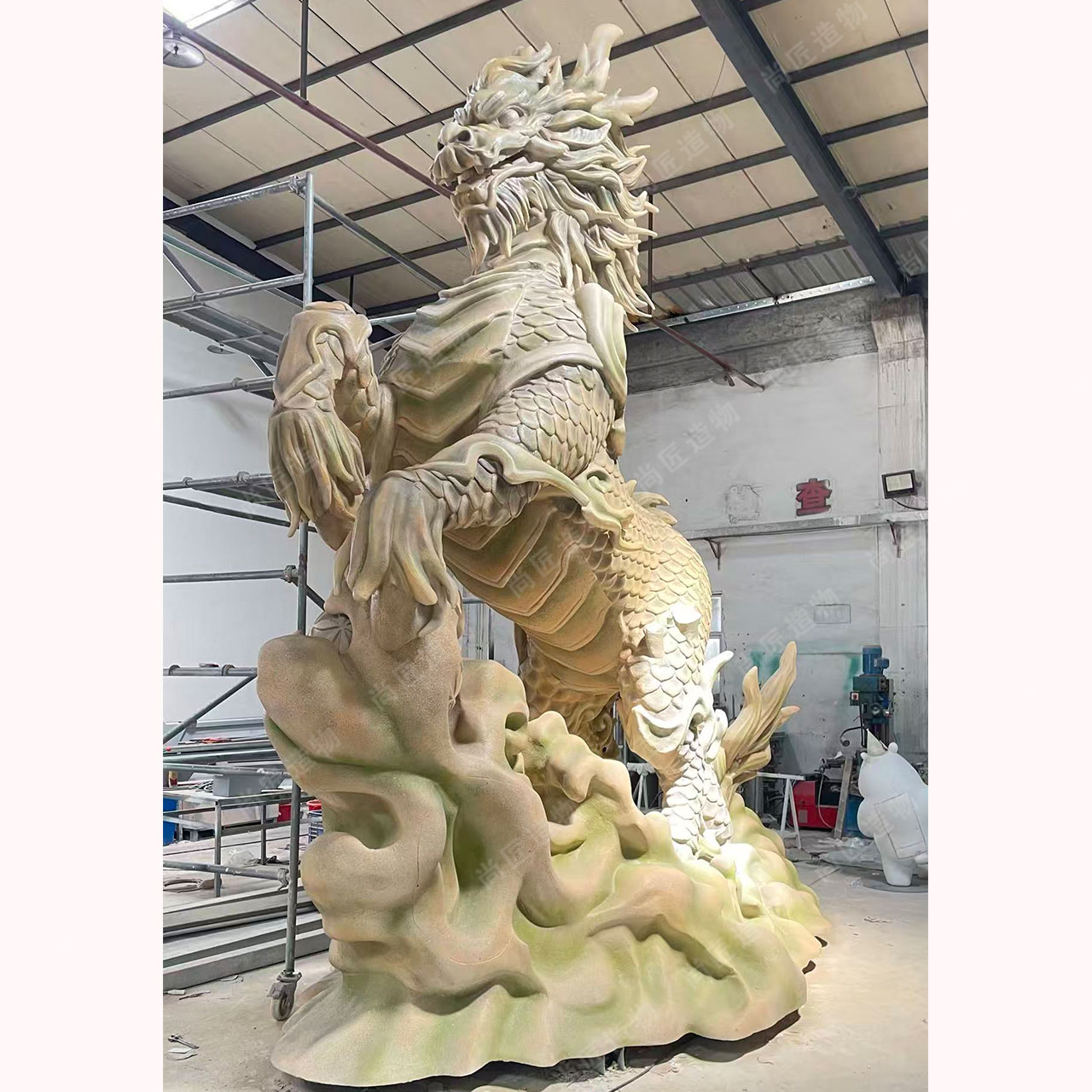
Understanding the Legal Landscape of Licensed Character Sculptures
The creation of licensed character sculptures often enters a complex legal territory. Artists must navigate intellectual property (IP) laws to avoid infringing on the rights of original creators. Licensing agreements are crucial; they define the legal permissions required for artists to produce sculptures featuring established characters. Without proper permission, artists risk facing lawsuits or cease-and-desist orders from trademark owners.
Despite these challenges, many artists engage in creating and selling detailed sculptures inspired by beloved characters from popular culture. Some rely on "fair use" arguments, suggesting their work is transformative enough to warrant protection. However, this remains a gray area in the legal system. As fan culture continues to grow, a clearer understanding of these legal nuances becomes increasingly important for both creators and collectors.
| Aspect | Description |
|---|---|
| Intellectual Property (IP) | Rights held by original creators over their characters |
| Licensing Agreements | Legal contracts allowing use of original IP |
| Fair Use Doctrine | Legal principle allowing limited use under specific conditions |
| Trademark Infringement | Unauthorized use that may cause confusion or harm |
In conclusion, navigating the legal landscape surrounding licensed character sculptures requires careful consideration and often consultation with legal experts to ensure compliance while fostering creativity in artistic expression. For those interested in creating realistic sculpture designs while respecting copyright laws, it can be beneficial to explore frameworks that provide guidance on this evolving market landscape. Realistic sculpturecan also serve as an inspirational reference.
The Role of Fan Culture in Shaping Licensed Character Statues
Fan culture plays a crucial role in the creation and popularity of licensed character statues. Enthusiastic supporters of franchises often drive demand for merchandise that features their favorite characters. This enthusiasm often inspires artists to create unique sculptures that resonate with the emotional connections fans have to these figures. As a result, many licensed character statues are influenced by community feedback, preferences, and trends within fan circles. Additionally, social media platforms allow fans to showcase their collections and share their passion for these statues, creating a ripple effect that encourages both creators and brands to engage with the community. This exchange further enhances the artistic interpretation of characters, transforming them into collectibles that reflect not only artistic skills but also the spirit and identity of the fanbase.
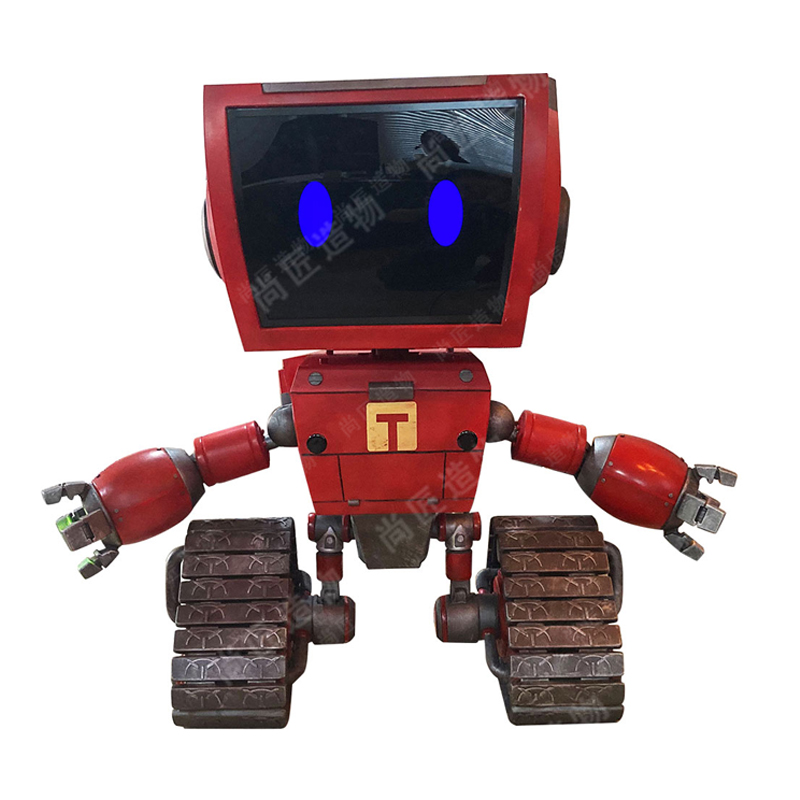
Artistic Expression vs. Trademark Rights in Licensed Sculpture Creation
Creating licensed character sculptures involves navigating a complex interplay between artistic expression and trademark rights. Artists often draw inspiration from popular characters, conveying their unique interpretations through sculpture. However, the commercialization of these creations can trigger legal concerns, as characters typically belong to well-established brands and franchises. Many artists fear legal repercussions if they are perceived to infringe on trademark protections. This has led to a cautious approach where creators often limit the scale of their work or avoid blatant commercialization to navigate these rights effectively. Understanding the boundaries between inspiration and infringement is crucial for artists in this field. Balancing creativity with respect for intellectual property laws not only protects their artistic integrity but also ensures they adhere to legal standards while contributing to a vibrant marketplace for licensed sculptures.
The Evolution of Branded Statues in Popular Culture and Marketing
Branded statues have become prominent symbols in both popular culture and marketing strategies, evolving alongside the characters and franchises they represent. Originally, these sculptures served primarily as promotional materials, aimed at attracting attention to products or media. Over time, they have transitioned into cherished collectibles, appealing to a wide range of fans. Events like comic conventions and pop culture expos have played a significant role in popularizing these creations. Additionally, the rise of online shopping has made licensed character statues easily accessible to enthusiasts worldwide. As collectors seek more than mere memorabilia, the emphasis on artistic craftsmanship has increased. This shift highlights the growing significance of artistic value in licensed character sculptures as they embody not just brand messaging but also emotional connections within fan communities. For more on this topic, check out Cartoon sculpture.
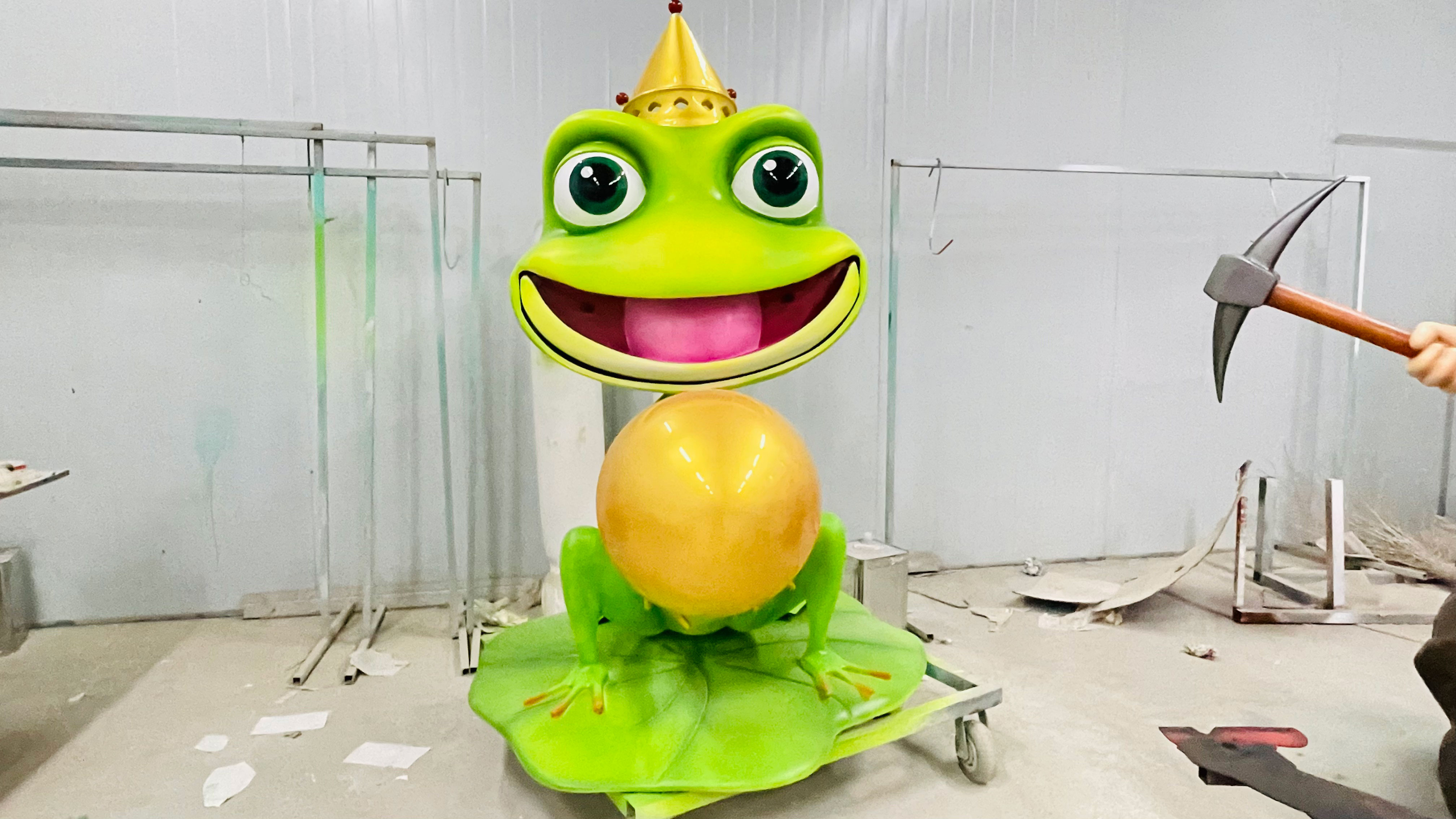
Exploring Collectability and Value in Licensed Character Sculptures
Licensed character sculptures hold significant appeal for collectors due to their blend of artistic craftsmanship and cultural significance. Collectors often seek these sculptures as they represent not only popular figures from media but also embody the nostalgia and emotional connections associated with those characters. The value of these items can vary widely, influenced by factors such as rarity, condition, and the reputation of the artist or manufacturer. For instance, limited edition pieces can fetch higher prices in the marketplace, especially if they are well-preserved or artist-signed. Additionally, trends within fan culture can impact demand; as certain characters regain popularity through new media releases, their corresponding sculptures may see a rise in value. Therefore, understanding market dynamics is crucial for collectors navigating this fascinating realm. While evaluating a sculpture's worth, it is essential to consider its artistic merit alongside its connection to the licensed character it represents.
Artisans Behind the Licensed Character Statues: A Closer Look
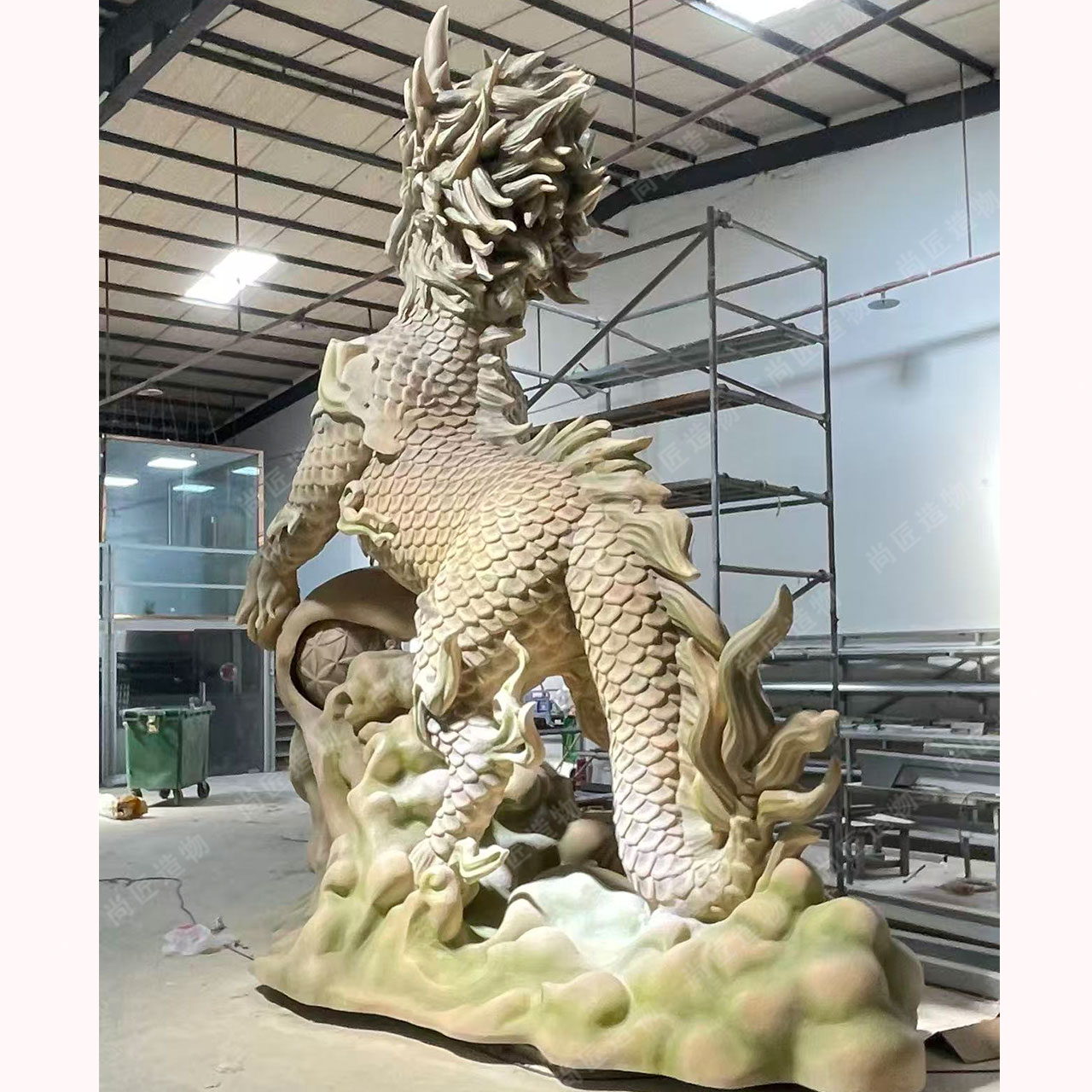
Creating licensed character statues requires a unique blend of artistic talent and technical skill. Artisans in this field often begin with a deep understanding of the character's background and story, which helps them capture its essence in their work. They study various aspects of the characters, including their features, poses, and even emotions. This process requires not only creativity but also adherence to specific guidelines set by copyright holders.
Moreover, many artisans collaborate closely with brands to ensure that their designs align with the original creators' visions. This collaboration helps to maintain authenticity while allowing artists to showcase their personal style. The relationship between these artisans and the brands can be complex; however, it often results in high-quality pieces that resonate with fans.
As the market for licensed character statues expands, artisans face increasing demand for innovative designs that remain true to the original works. By balancing creativity with respect for intellectual property rights, these craftsmen play a crucial role in bringing beloved characters to life through sculpture. For further insight into this topic, consider exploring IP character sculpture.
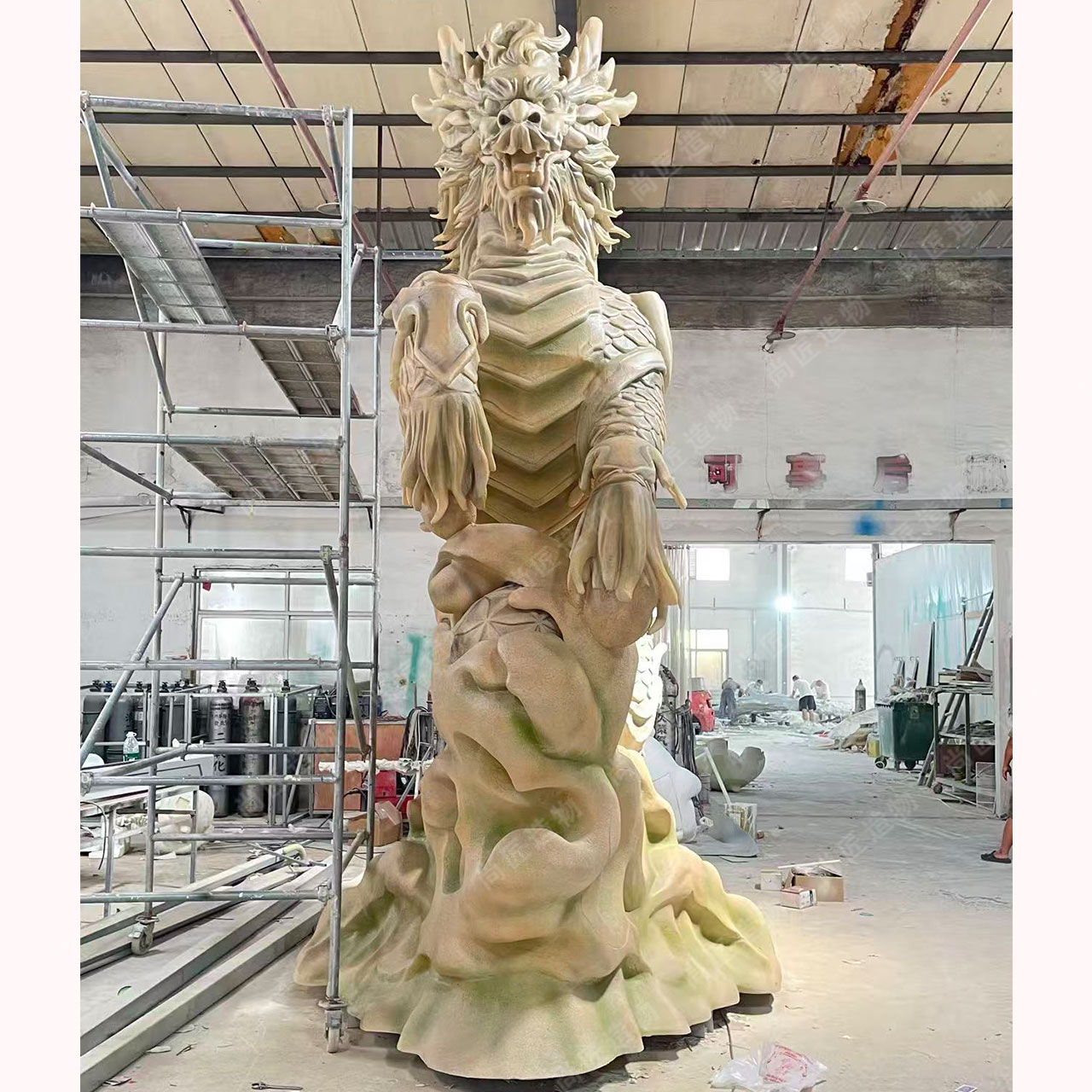
Navigating the Balance Between Inspiration and Copyright in Artistry
Artists often find themselves walking a tightrope when creating licensed character statues. On one hand, drawing inspiration from beloved characters can fuel creativity and lead to the production of unique artworks. On the other hand, the legal implications of using these characters can be daunting. Many creators are aware that licensed characters are protected under copyright laws, which means unauthorized use can lead to legal challenges. However, some argue that as long as their work is transformative enough or does not seem to compete commercially with the original, they may navigate these waters without issue. This delicate balance between inspiration and copyright requires artists to be informed about intellectual property rights while also fostering their creative spirit. Ultimately, understanding these nuances helps artists respect original works while expressing their artistic vision within legal boundaries.
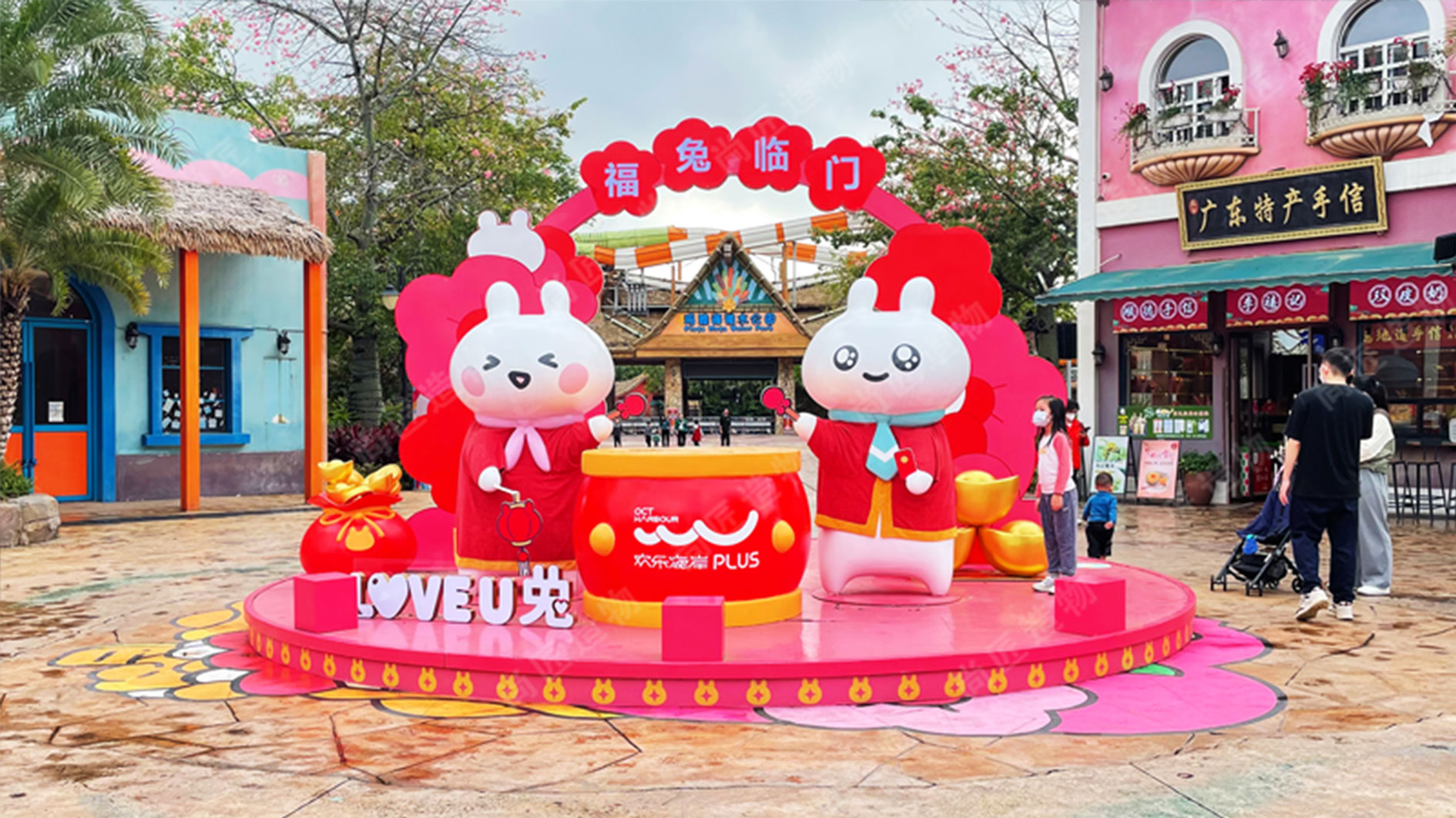
Conclusion
The world of licensed character sculptures represents a fascinating blend of art and commerce. As the market continues to evolve, both artists and collectors must remain vigilant regarding the legal considerations surrounding these cherished figures. Navigating copyright laws is essential for creators who wish to produce unique sculptures while honoring the rights of the original creators. Collectors, on their part, are drawn to these pieces not just for their aesthetic appeal but also for their cultural significance. This dynamic interplay encourages ongoing dialogue about the nature of creativity in a commercial space. As trends change and fan culture develops, the relationship between art and legal frameworks will undoubtedly continue to shape the future of licensed character statues.
FAQs
What are licensed character statues?
Licensed character statues are sculptural representations of popular characters from various media, created under copyright agreements that allow artists to use established intellectual property.
How do artists obtain permission to create these sculptures?
Artists typically obtain permissions through licensing agreements, which outline the terms of use for the characters and protect both the creator and original rights holders.
What factors influence the value of licensed character sculptures?
The value is influenced by factors such as rarity, condition, artist reputation, and cultural trends impacting demand for specific characters.
Is it legal to create original works inspired by licensed characters?
It is legal to create inspired works as long as they do not infringe on trademark rights; however, navigating these legal boundaries requires careful consideration.
What role does fan culture play in the popularity of these statues?
Fan culture significantly drives demand for merchandise and influences artists' creations, resulting in unique sculptures that resonate emotionally with collectors.