ch
ch English
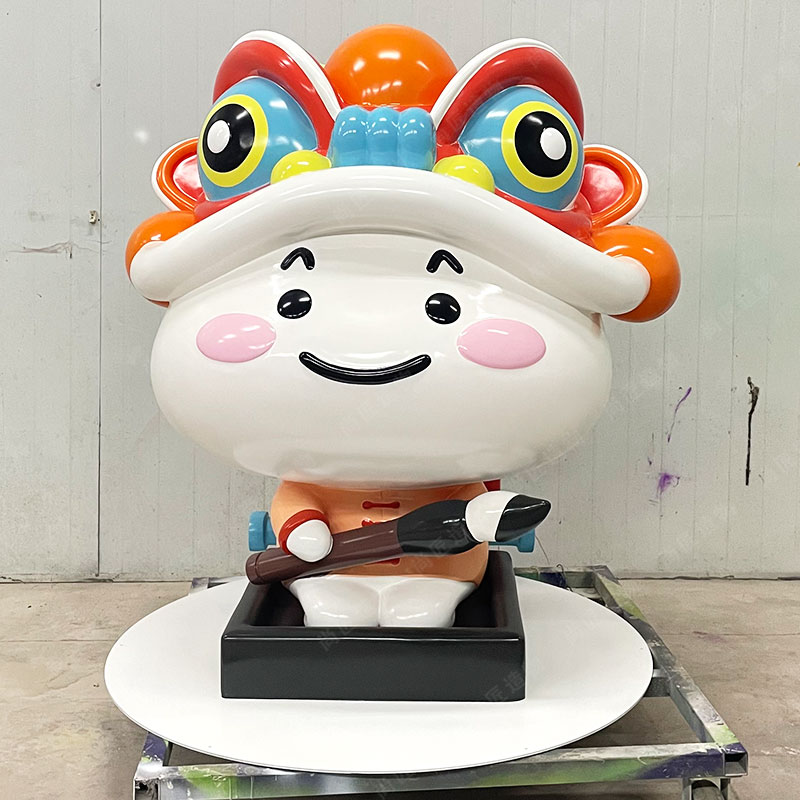
Understanding the complexities of creating and selling cartoon sculptures from licensed IP characters is essential for artists navigating this legal landscape. Artists should be aware of the fine line between fan art and copyright infringement, as closely resembling characters can lead to significant legal issues. It is crucial to consult legal resources or professionals to clarify any uncertainties before attempting to sell such sculptures. Additionally, many marketplaces actively monitor listings for potential IP violations, making it vital for creators to remain informed about copyright laws and their implications. This awareness not only protects their artistic endeavors but also encourages a healthier interaction with the boundaries of intellectual property rights.
Understanding IP Character Sculptures: Legal Concerns and Perspectives
Creating sculptures of licensed IP characters raises critical legal questions. Artists often tread carefully between the expression of creativity and potential copyright violations. While some may argue that fan art and original sculptures breathe life into beloved characters, the legal frameworks surrounding these works remain complex. According to experts, creating a sculpture inspired by a recognized character could be seen as derivative work, which may infringe upon the rights of the original copyright holder. This situation is particularly relevant for those selling their creations on platforms like Etsy or in artist alleys at conventions, where scrutiny can vary greatly.
Below is a table summarizing key differences between fan art and copyright infringement based on varying artists’ experiences:
| Aspect | Fan Art | Copyright Infringement |
|---|---|---|
| Ownership | Created by the artist | Rights retained by original creator |
| Legal Risks | Generally low but can vary | Higher potential for lawsuits |
| Commercial Use | Often sold with permission | Typically unauthorized sales |
| Scope of Expression | Interpretation of characters | Exact reproduction or likeness |
Artists’ fears over legal repercussions often stem from a lack of clarity regarding these boundaries. While some may navigate this arena out of passion, others are mindful of the consequences associated with their work. Additionally, understanding the implications when selling such pieces can increase awareness around compliance and creativity within defined legal frameworks. For further exploration about Realistic sculpture, artists can consider potential avenues for safely expressing their artistic interpretations without infringing on IP rights.
The Thin Line Between Fan Art and Copyright Infringement
Creating cartoon sculptures based on licensed IP characters sits in a gray area of copyright law. While many artists create fan art as a form of expression, they often walk a tightrope when it comes to legality. The original characters belong to specific companies, and creating sculptures that closely resemble these characters can be seen as an infringement on intellectual property rights. This uncertainty leads many artists to fear legal repercussions, even if they believe their work falls under fair use or fan art categories. The intricate details of these licensed characters often blur the lines, making it difficult to distinguish between acceptable fan expression and actionable copyright infringement. Therefore, understanding the nuances of copyright laws is crucial for any artist considering the creation or sale of IP character sculptures. Artists should thoroughly research and possibly seek legal advice to navigate this complex landscape effectively.
Selling Licenced IP Character Sculptures: What You Need to Know
When considering the sale of licensed IP character sculptures, artists must carefully navigate a complex legal landscape. Many individuals create these sculptures while believing they can operate without legal repercussions, but the reality is more nuanced. Selling a sculpture based on a character owned by a major studio could infringe on copyright laws if not done correctly. Some artists may assume that fan art is acceptable as long as it is not mass-produced, but this is not universally true. It's essential to understand that companies often protect their characters rigorously, and unauthorized sales can lead to legal action. As such, artists should consult legal resources or seek advice from professionals familiar with IP laws before marketing their sculptures. Awareness of these potential pitfalls can help creators make informed decisions about selling their work in the marketplace.
Artists’ Fears: Legal Risks of Creating Cartoon Sculptures
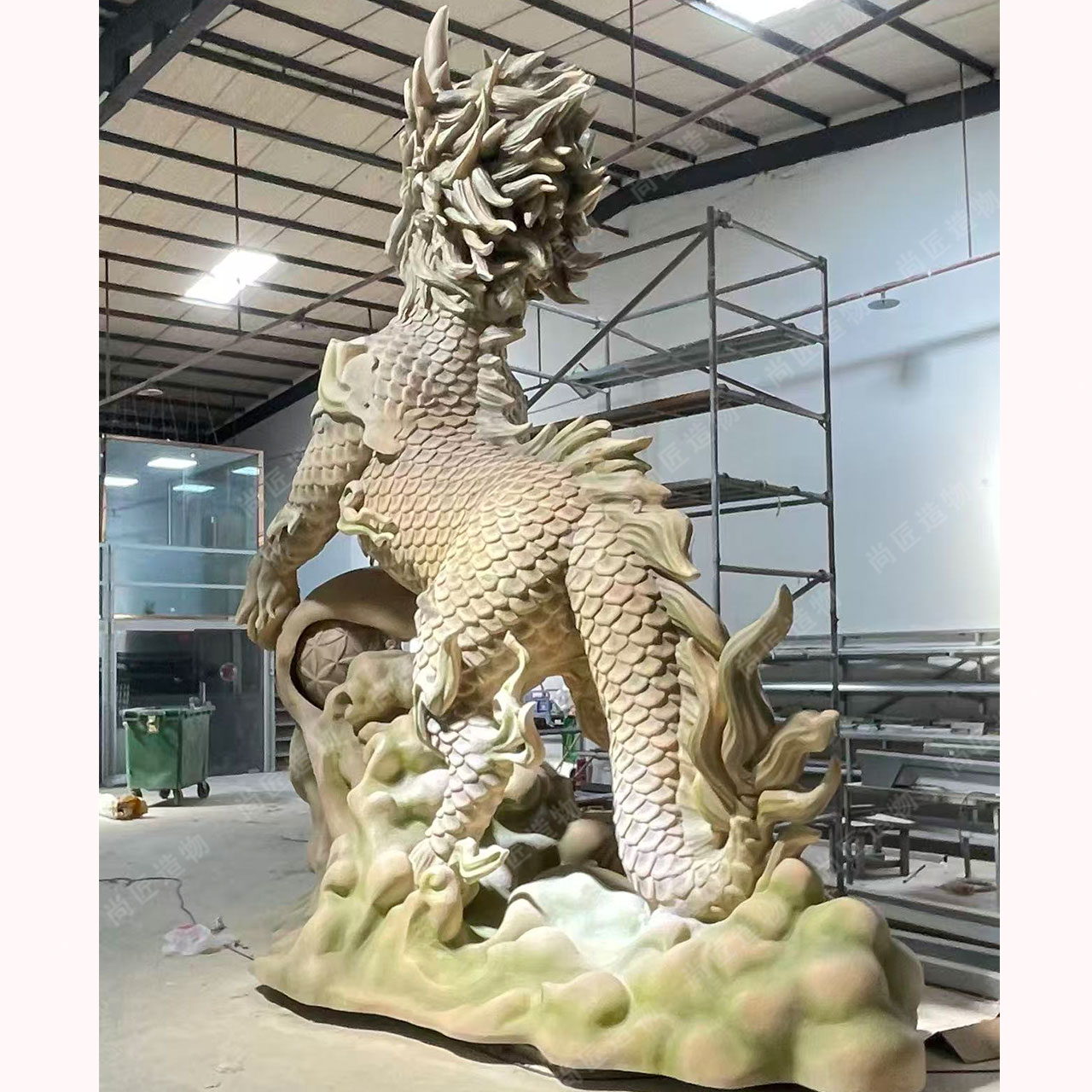
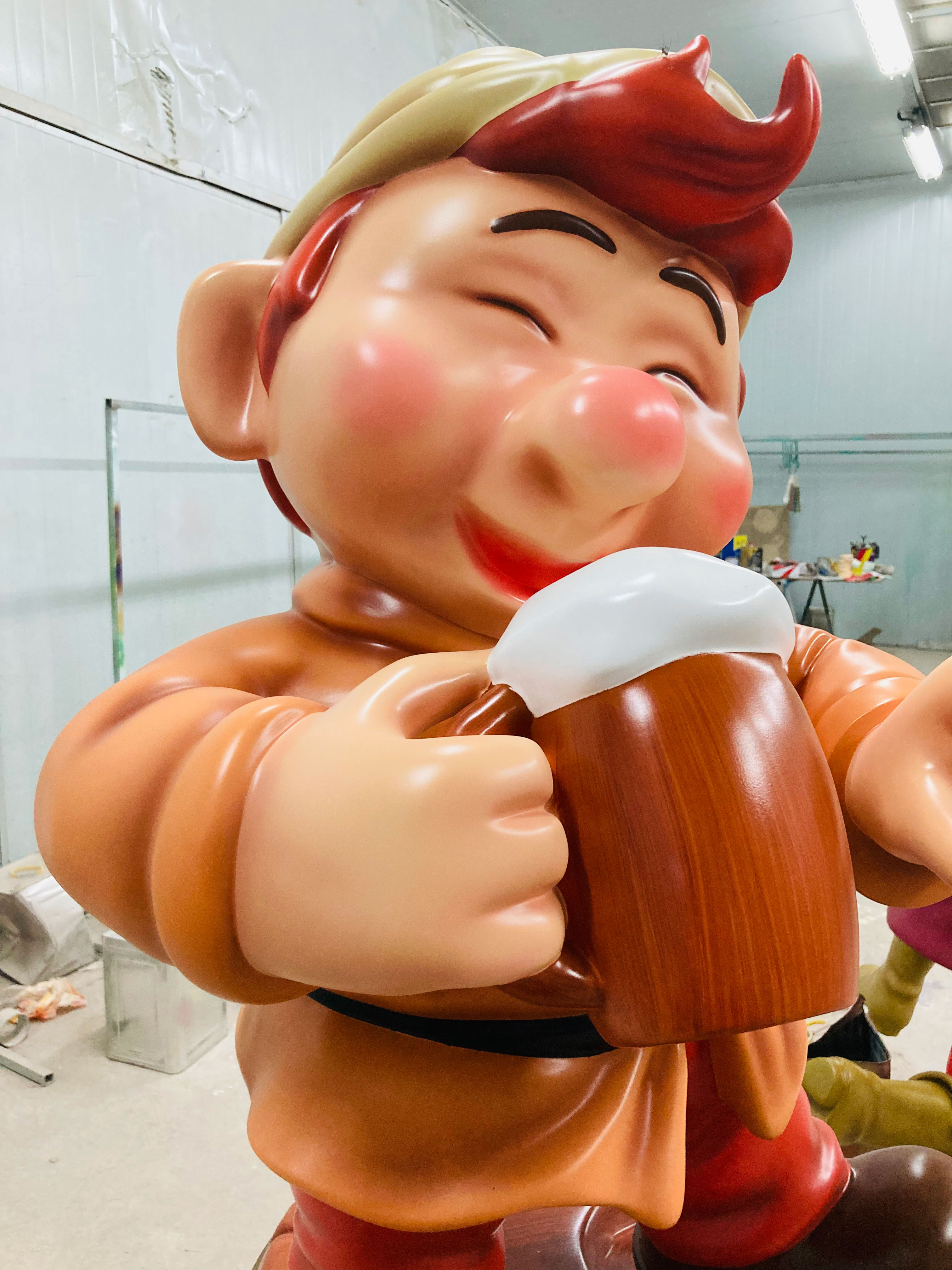
Creating cartoon sculptures based on licensed IP characters can be a source of anxiety for artists. The fear of potential legal repercussions stems from the unclear boundaries between fan art and copyright infringement. Many artists worry that their work may be seen as an unauthorized use of protected material, which could lead to lawsuits from IP holders. This concern is particularly acute when selling sculptures on platforms like Etsy, where visibility might attract unwanted attention from corporations monitoring copyrighted content. Moreover, understanding the specific rights associated with each character can be daunting. For instance, creating sculpture art often involves unique interpretations that may still infringe on original copyrights or trademarks. As a result, many artists feel they are walking a tightrope, needing to balance their creative passions with the risks involved in selling their work. Consequently, it is crucial for artists to remain informed about copyright laws and seek clarity on what is permissible to alleviate these fears when engaging in the world of licensed character sculptures. Artists may find additional information about materials used in such works by exploring options like Fiberglass sculpture.
Navigating Copyright Issues in IP Character Sculpture Creation
Creating sculptures based on licensed IP characters often raises copyright concerns. Artists may feel uncertain about the legality of their work, especially when drawing inspiration from beloved characters. The key issue lies in whether the sculptures are seen as original artworks or as derivative works that infringe on copyrights. Many artists operate within a gray area, relying on their understanding of "fair use" while fearing legal repercussions. It’s important to note that while some artists manage to sell these pieces without immediate consequences, this does not guarantee protection from potential legal actions by IP owners. The fine line between fan expression and copyright infringement becomes particularly evident when considering the implications of selling such sculptures in marketplaces like Etsy or at conventions. Hence, understanding the complexities of copyright laws is crucial for any artist wanting to navigate this challenging landscape effectively. For more insights on creating related artworks, check out IP character sculpture.
Fan Art vs. Infringement: A Deep Dive into the Legal Landscape
The distinction between fan art and copyright infringement can often feel blurred. Artists create works inspired by popular characters, sometimes believing these creations are safe from legal scrutiny. However, the reality is that using someone else's intellectual property without permission can lead to legal challenges. A common concern among artists is the potential for backlash from major corporations that own these IPs. Many artists proceed with caution but may not fully understand the legal frameworks involved.
"While some creators may operate under the radar, it's essential to recognize that relying on luck is not a sustainable strategy."
It's crucial for artists to be aware of copyright limitations and understand that selling original art inspired by licensed characters could infringe on those rights. Many artists emphasize the importance of consulting with legal professionals to clarify any uncertainty surrounding their work. Navigating this gray area requires a careful approach, as companies often protect their intellectual property vigorously, which can lead to lawsuits for infringement if they perceive any potential threat to their brands.
Creating Original Works Inspired by Licensed Characters: Legal Implications
Creating original works inspired by licensed characters can sit in a gray area in terms of legality. While many artists aim to express their creativity through Cartoon sculpture, they must be aware that using protected intellectual property without permission could potentially lead to copyright infringement claims. The law typically protects original works, so even if a piece is inspired by a character, it may still infringe on the rights of the trademark owner if it resembles the original too closely. Artists often walk a fine line, balancing their passion for fan art with the need for originality and respect for copyright laws. Understanding these legal implications is vital for artists who wish to navigate this complex landscape without inviting legal challenges.
The Consequences of Selling Licensed IP Character Sculptures on Marketplaces
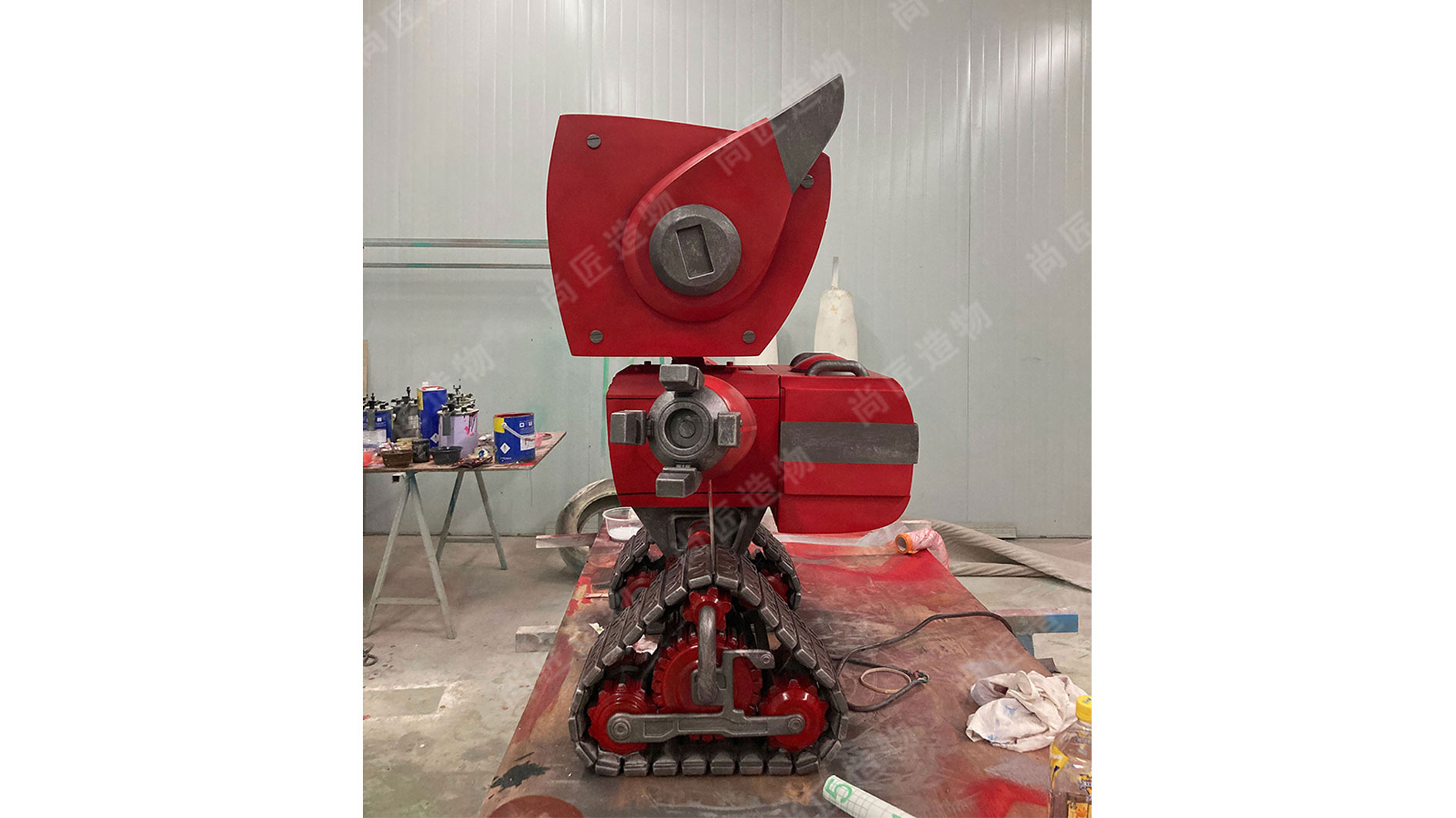
Selling licensed IP character sculptures on marketplaces can lead to significant legal repercussions for artists. When these sculptures mimic trademarked characters, they teeter on the edge of copyright infringement. Many creators may not fully understand the legal risks involved, assuming that their work is harmless fan art. However, major IP holders actively monitor sales of their characters, and violations can result in cease-and-desist orders or even lawsuits. Artists face the challenge of determining whether their creations qualify as transformative enough to escape legal action. Marketplaces like Etsy often have strict policies regarding intellectual property, and many are proactive in removing listings that infringe upon rights. This creates a precarious environment where artists must navigate both artistic expression and legal compliance, often leading to anxiety over the sustainability of their practices.
Conclusion
The complexities surrounding the legality of creating and selling cartoon sculptures from licensed IP characters highlight the significant challenges artists face in this arena. As they navigate the thin line between fan art and copyright infringement, creators must remain vigilant about their legal rights and responsibilities. While many artists are driven by passion and creativity, misunderstanding or neglecting copyright laws can lead to serious consequences. Therefore, engaging with legal resources or seeking professional advice is crucial for those looking to protect their work while pursuing their artistic endeavors. The ongoing tension between artistic expression and intellectual property rights necessitates a thoughtful approach from artists in all stages of creating and selling licensed IP character sculptures.
FAQs
What is considered fan art in relation to IP character sculptures?
Fan art refers to creations that interpret or are inspired by existing characters, often reflecting the artist's unique style without directly copying the original.
Can I sell sculptures of licensed IP characters legally?
Selling such sculptures can pose legal risks if the work closely resembles the original character without permission from the copyright holder.
What distinguishes copyright infringement from legitimate fan art?
Copyright infringement typically involves unauthorized reproductions of protected materials, while legitimate fan art maintains a level of originality and creative interpretation.
What should artists do if they want to sell their sculptures?
Artists should seek legal advice, understand copyright laws, and ensure their work does not infringe on existing intellectual property rights before selling.
Are there specific marketplaces that monitor IP violations?
Yes, marketplaces like Etsy actively monitor listings for unauthorized use of intellectual property and can remove infringing items or take action against sellers.