ch
ch English
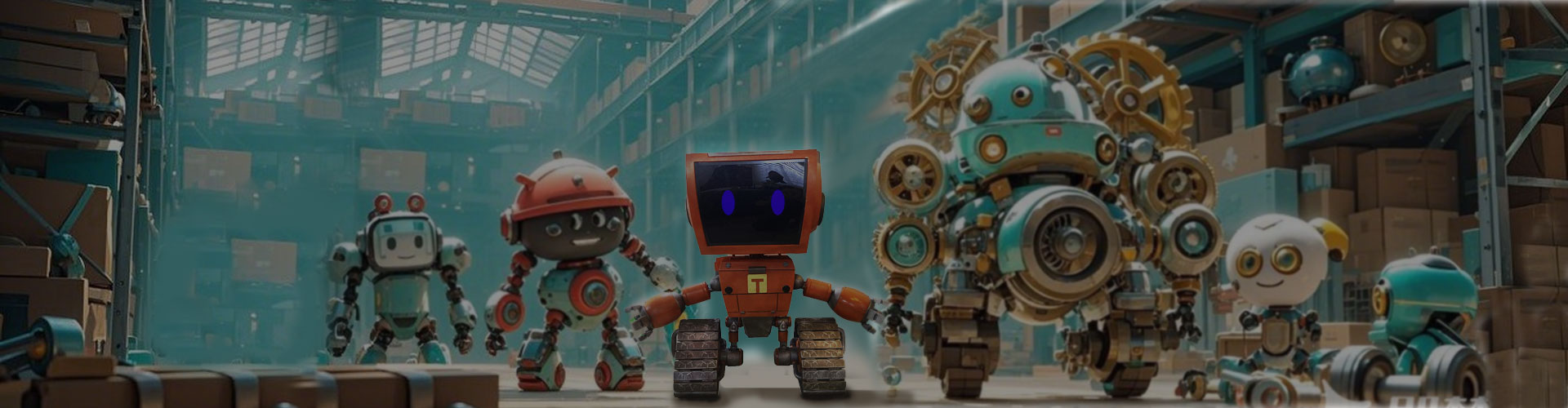
Navigating the landscape of IP character sculptures requires a keen understanding of the associated legal considerations. Artists must be aware that using licensed characters without authorization can lead to significant legal challenges, including copyright infringement claims. Engaging with the original rights holders for permission and licenses is essential, as operating without these agreements can expose sculptors to enforcement actions. Furthermore, distinguishing between fan art and commercially produced sculptures plays a critical role in determining legal standing. By comprehensively researching intellectual property laws and remaining vigilant about their artistic practices, sculptors can minimize risks while embracing their creativity within established legal frameworks. This balance allows for artistic expression while safeguarding against potential legal fallout in the dynamic world of character sculpture art.
Understanding Intellectual Property Rights in IP Character Sculptures
Intellectual property rights (https://en.artmovr.com/) as an option that enhances durability and artistic expression while remaining mindful of legal boundaries.
Legal Risks for Artists Creating IP Character Sculptures
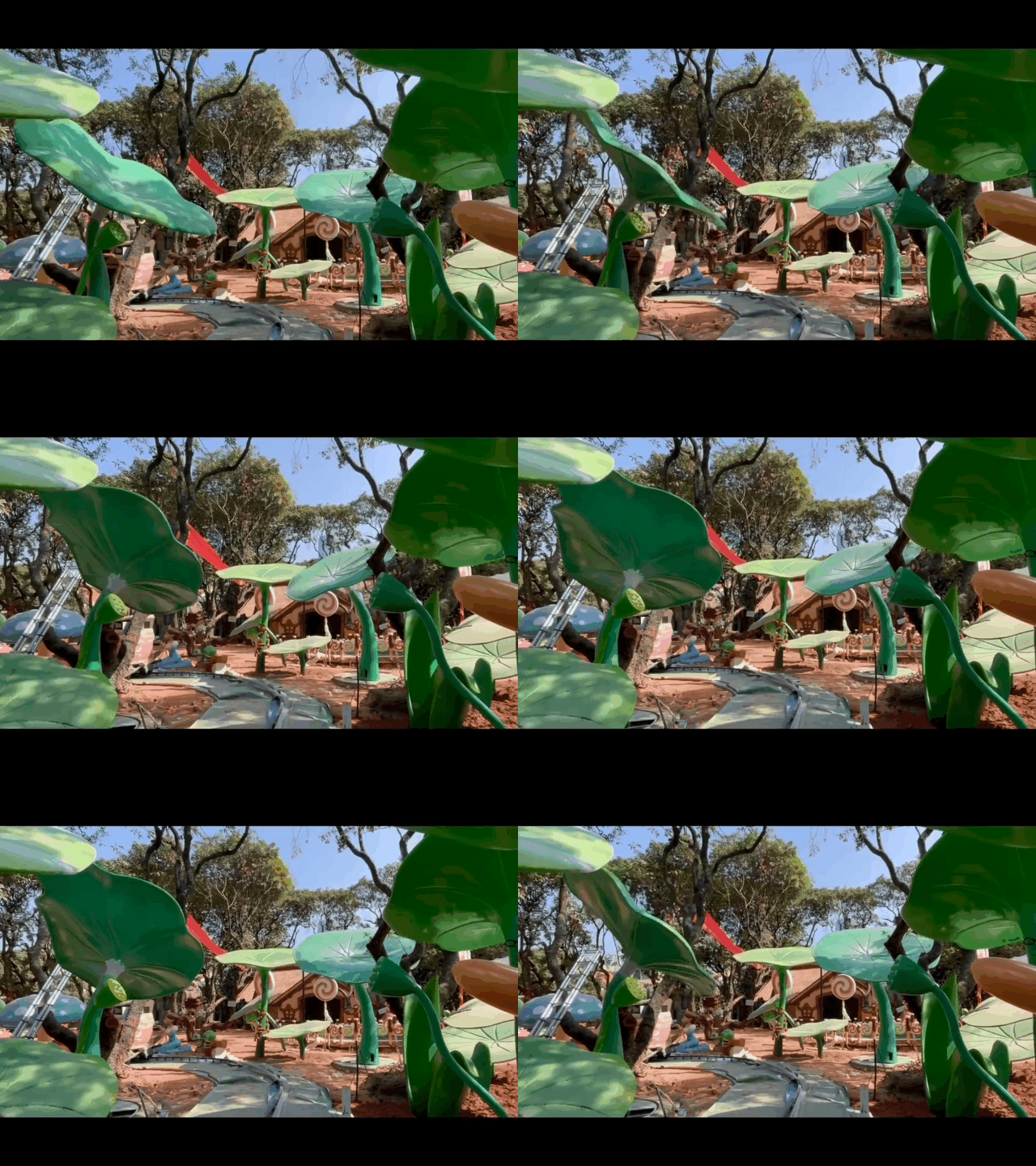
Creating IP character sculptures can lead to various legal risks for artists. When sculptors use licensed characters, they often face potential copyright infringement claims. These claims may arise because the original creators hold exclusive rights over the characters and their likenesses. This means that any unauthorized reproduction can be seen as a violation of their intellectual property rights.
Additionally, many companies actively monitor the sale of products that include their characters, which increases the risk for artists who sell their work without proper permission. With digital platforms making it easier to showcase and sell art, the visibility also brings heightened scrutiny from rights holders. This environment can cause anxiety for sculptors concerned about legal action or ceasing operations due to a cease-and-desist letter.
As shown in the table below, artists should be mindful of specific factors that contribute to legal risks:
| Factor | Explanation |
|---|---|
| Copyright Infringement | Unauthorized use of character likeness leads to potential lawsuits. |
| Enforcement Climate | Companies may pursue claims more aggressively in response to unauthorized sales. |
| Legal Precedents | Previous cases may influence new decisions regarding user-generated content. |
Understanding these legal implications is essential for sculptors who wish to create works inspired by existing IPs while minimizing risks associated with ownership rights.
Navigating Copyright Laws in the World of Character Sculptures
When creating IP character sculptures, understanding copyright laws is essential for artists. Copyright protects an original work, granting the creator exclusive rights to use and distribute it. However, characters from popular media are often trademarked or copyrighted by their creators or companies. This means that artists must tread carefully when sculpting these beloved figures. Generally, the law allows for transformative works to be created without permissions; however, this is a gray area that varies by jurisdiction. Artists risk potential legal action if their sculptures are too similar to the originals or mislead consumers about their origin. Thus, it is crucial for sculptors to research the specific copyrights and trademarks related to their chosen characters before starting their projects. This approach helps in balancing artistic expression with legal compliance and minimizes risks of infringement in the competitive world of character sculpture art. For those exploring dynamic forms, consider looking into Kinetic sculptureas an alternative creative avenue that might offer more flexibility within artistic boundaries.
Permission and Licensing: Key Aspects for IP Character Sculptors
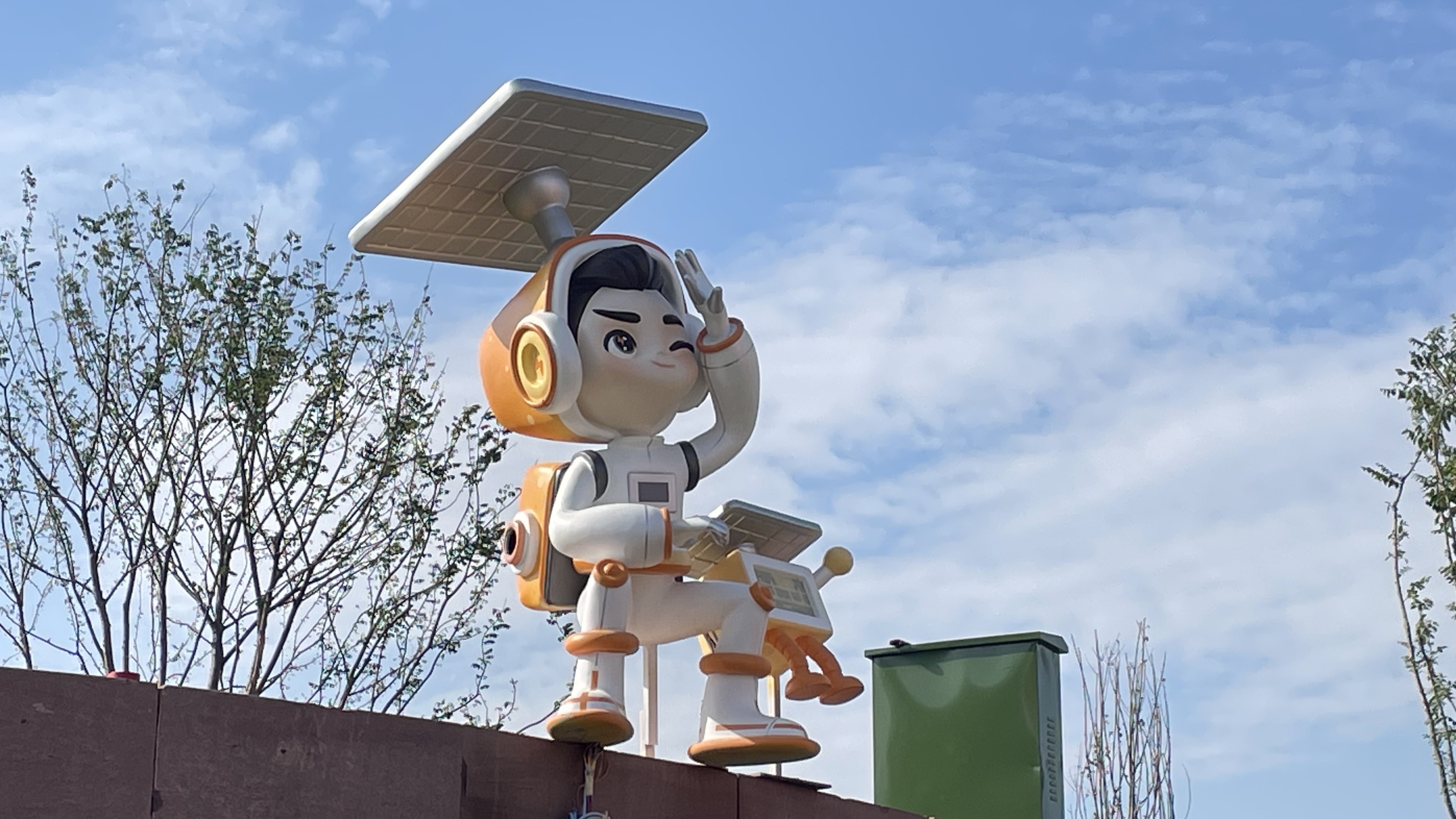
When creating IP character sculptures, artists must navigate the crucial area of permission and licensing. Established companies own the rights to these characters, which means that sculptors often need to secure permission before producing their art. This process typically involves seeking licenses, which can be intricate and costly. Many artists may mistakenly believe they can create sculptures freely without proper authorization; however, this can lead to potential legal challenges. Moreover, some companies may take a stricter stance on enforcement than others, increasing the risk for those who operate without formal agreements. Therefore, it is essential for sculptors to understand the nuances of licensing to avoid infringing on intellectual property rights. Engaging with legal professionals could provide valuable insights into what is allowable under copyright laws and help maintain a balance between artistic creativity and legal compliance. Additionally, resources available online can offer guidance on best practices in the realm of Cartoon sculpture, further assisting artists in their creative endeavors while respecting legal boundaries.
Balancing Creativity and Legal Boundaries in Sculpture Art
Artists who create IP character sculptures face a unique challenge of balancing their creativity with potential legal risks. While the creation of original sculptures inspired by popular characters allows for artistic expression, it can also lead to infringement concerns. Many artists operate in a gray area, where their sculptures may attract admiration but also scrutiny from the owners of these intellectual properties. Understanding copyright laws is crucial; artists must be mindful of how closely their work aligns with licensed characters to navigate this complex landscape. Additionally, obtaining permissions where necessary can protect artists from potential legal actions. In essence, navigating this balance requires not only artistic vision but also a careful consideration of intellectual property laws to ensure their passion doesn't cross legal boundaries. For instance, learning about Fiberglass sculpturetechniques can open up innovative avenues while respecting the rights associated with character portrayals.
Fan Art vs. Licensed Characters: Legal Insights for Sculptors
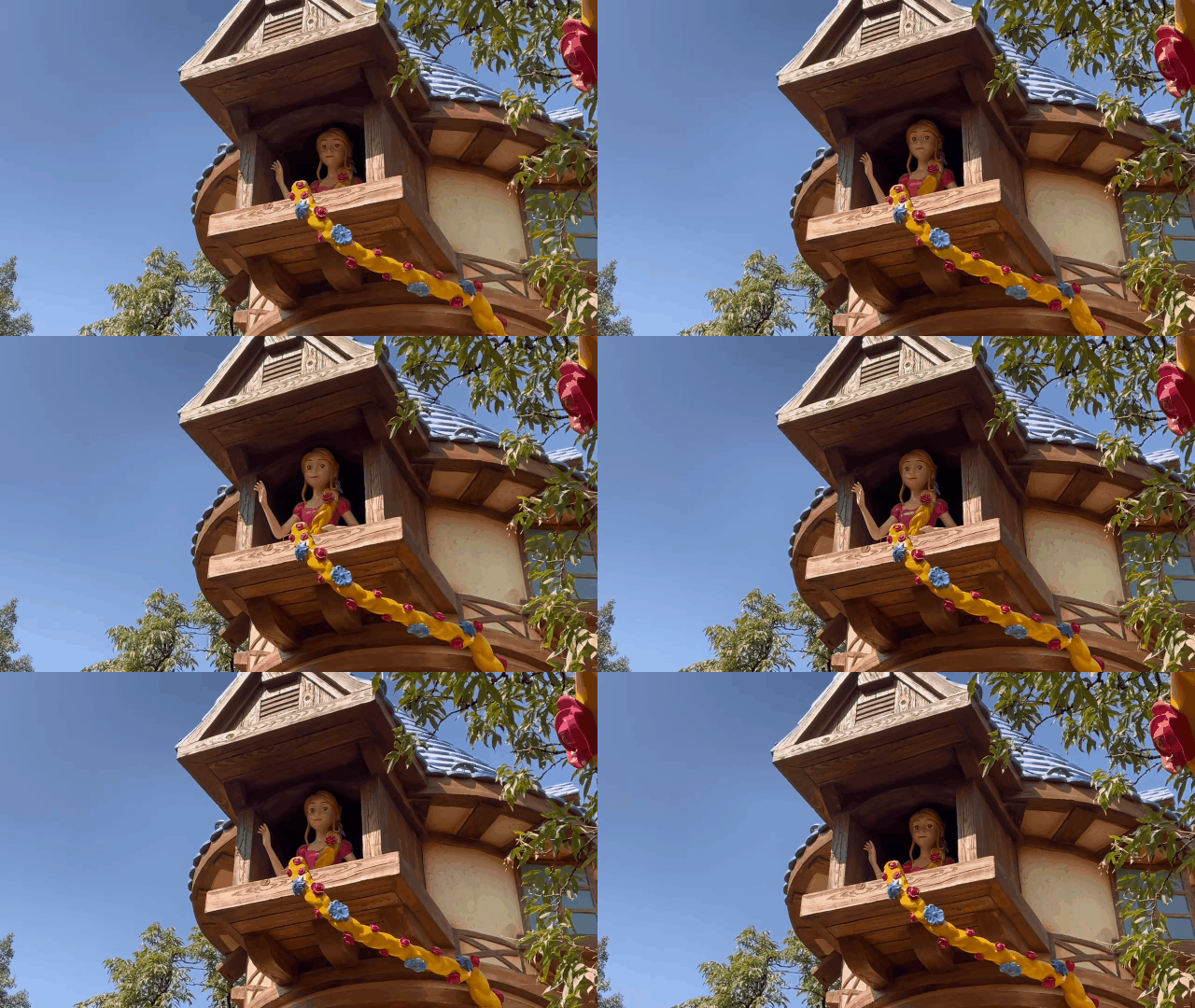
When it comes to creating sculptures based on licensed characters, the distinction between fan art and officially licensed work becomes crucial for sculptors. Fan art often celebrates beloved characters, but artists must tread carefully. The key issue lies in copyright and trademark laws, which protect the rights of original character creators. Without explicit permission or a licensing agreement, artists risk potential legal consequences. However, some sculptors might assume that enforcement is minimal and proceed with their creations, often hoping to avoid confrontation with established companies. It’s essential to recognize that even if works are made for non-commercial purposes or as a community expression, they can still infringe on existing intellectual property rights. Understanding these legal nuances is vital for artists who wish to express their creativity while respecting the rights of original creators.
The Role of Enforcement in the Art of Character Sculpture
The enforcement of intellectual property (https://en.artmovr.com/), knowing these dynamics is key to successful creation and sales in the art market.
Challenges Faced by Artists in the Realm of IP Character Sculpture
Artists creating IP character sculptures often encounter various challenges that complicate their creative process. First, they must navigate the complex landscape of intellectual property laws, which can be daunting. Many artists are unsure about what constitutes fair use, leading to anxiety about potential legal repercussions. Additionally, enforcement actions by larger companies create an environment of uncertainty; artists may fear retribution despite not having received any direct warnings. Another significant challenge is the financial burden associated with obtaining necessary licenses or permissions, which can be prohibitively expensive for independent creators. Furthermore, many artists find that while they are passionate about their work, they lack legal resources or support to guide them through these complexities. Balancing creative expression with legal boundaries often feels like walking a tightrope for these sculptors, affecting their willingness to pursue their artistic ambitions fully.
Conclusion
In conclusion, the creation of IP character sculptures presents a complex interplay between artistic freedom and legal responsibility. Artists must remain aware of the challenges they face regarding intellectual property laws and the potential legal ramifications of their work. By understanding copyright and trademark nuances, they can navigate these issues more effectively. Seeking permission and licensing is not just advisable; it's essential to mitigate risks associated with unauthorized use of characters. As artists continue to push creative boundaries, staying informed about legal considerations will help them maintain their passion for sculpting while respecting the rights of original creators. Ultimately, fostering a clear awareness of these legal dynamics can empower sculptors to produce art that resonates with audiences without jeopardizing their careers.
FAQs
What permissions do I need to create sculptures of licensed characters?
You need to obtain permission or a licensing agreement from the rights holder of the character before proceeding with your sculpture.
Are there specific laws that protect IP character sculptures?
Yes, copyright and trademark laws protect the rights of original creators, restricting unauthorized use of their characters and likenesses.
What risks do artists face when creating fan art sculptures?
Artists creating fan art may face copyright infringement claims if their work closely resembles licensed characters without permission.
How can artists reduce legal risks associated with their sculptures?
Artists can reduce legal risks by conducting thorough research on intellectual property laws, securing permissions, and considering creating original designs inspired by popular IPs.
What should I do if I receive a cease-and-desist letter regarding my sculpture?
It is advisable to seek legal counsel immediately to understand your options and determine the best course of action regarding the claims made.