ch
ch English
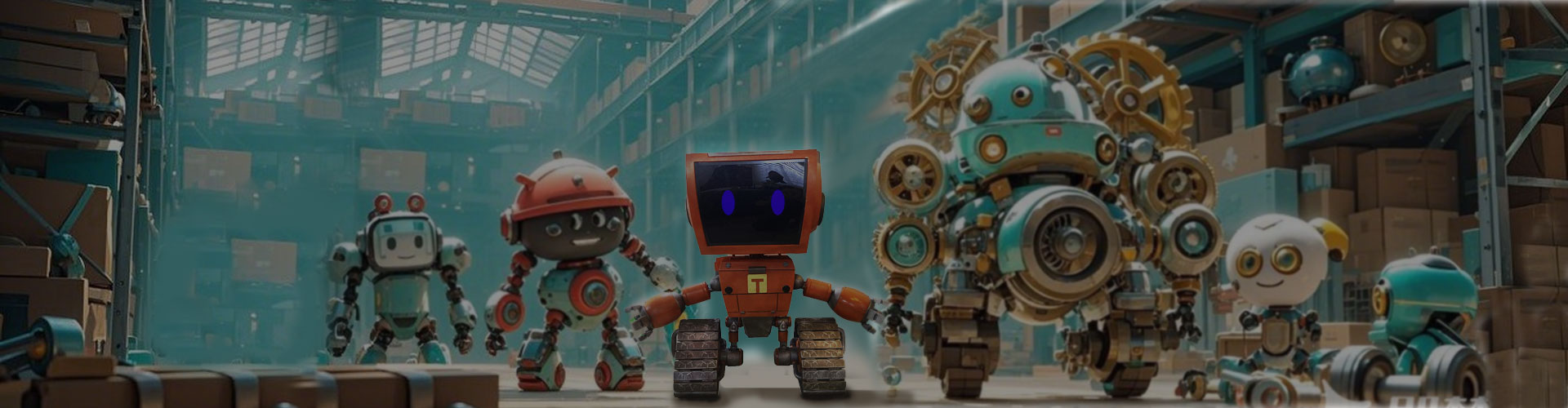
Incorporating licensed character statues into moving sculpture art opens up new avenues for artistic expression. Selecting characters that resonate emotionally with audiences is crucial, as these connections enhance the viewer's experience. Use lightweight materials to facilitate movement and ensure your sculptures can animate effectively. Integrating mechanics such as motors or pulleys allows for dynamic interactions that keep viewers engaged. Additionally, consider the backdrop and lighting to elevate your artwork, creating a cohesive narrative that draws attention. By blending beloved characters with innovative design techniques, artists can create compelling kinetic sculptures that celebrate cherished figures in a fresh and dynamic way.
Incorporating Iconic Character Statues into Moving Sculpture Art
Integrating iconic character statues into moving sculpture art offers a unique way to engage audiences. Start by selecting characters that resonate with your target audience; this adds a layer of emotional connection. Use movement to elevate the characters' stories, such as animating a statue of a beloved hero in action. Consider materials that complement the character's design, like lightweight metals or durable plastics, for ease of motion. Also, incorporate visual elements like lighting or color changes that reflect the character's personality and enhance the dynamic aspect of your sculpture. For a deeper dive into innovative designs, explore kinetic sculptureto understand how motion and art can harmonize beautifully, creating captivating narratives through movement.
Creative Design Techniques for Blending Licensed Characters with Sculpture
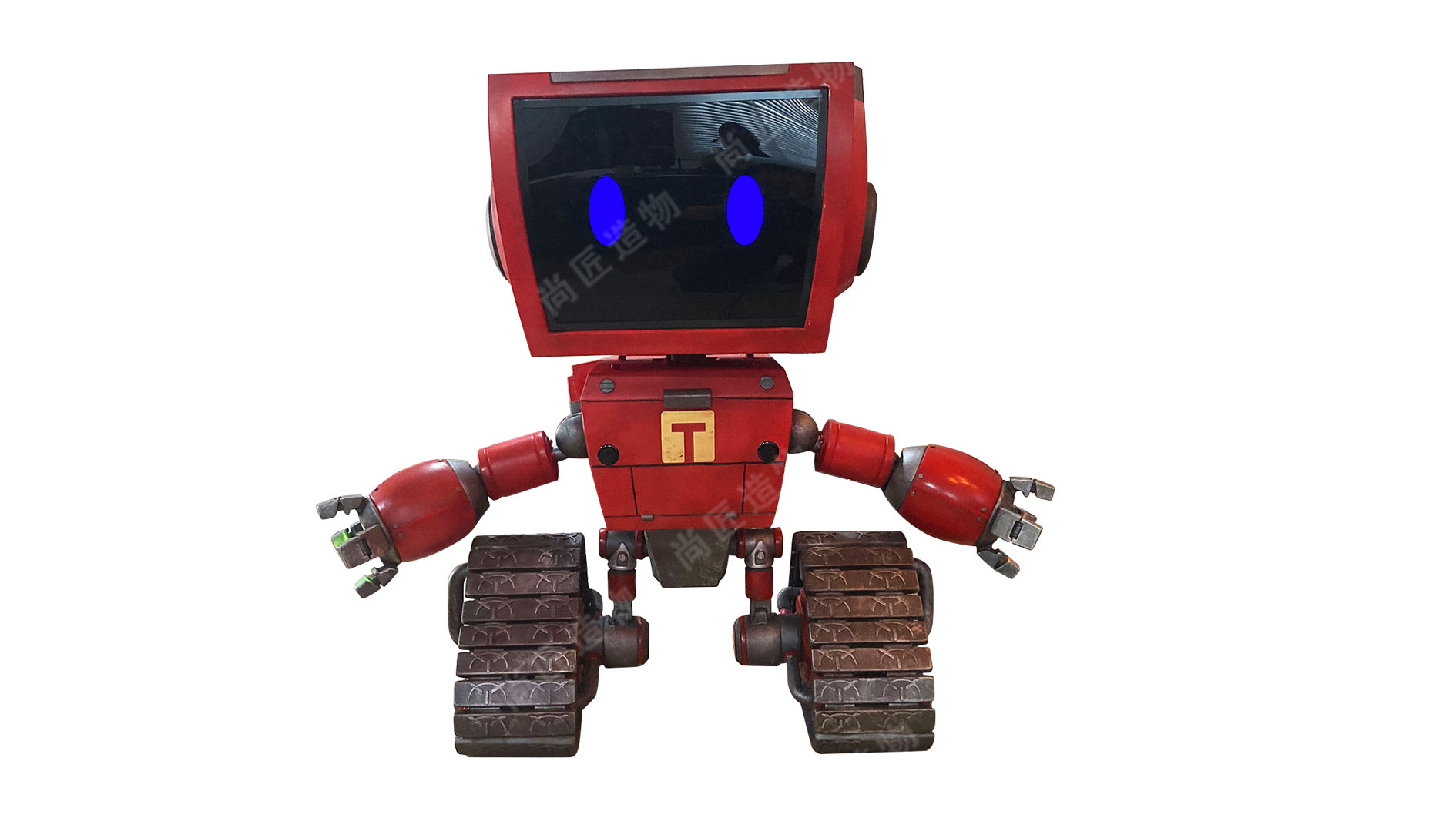
When integrating licensed character statues into moving sculpture art, consider various design techniques that can enhance both aspects. Start by choosing characters that resonate with your audience and fit well within the kinetic context. Use color schemes inspired by the characters to create harmonious visuals. Employ mechanics that allow the characters to interact fluidly with their environment. For instance, wind-driven motion can add an organic element to static character designs.
A helpful approach is layering textures and materials to reflect the character’s essence while also maintaining the mechanics of movement. Incorporating materials such as lightweight metals or durable plastics can enhance mobility without sacrificing artistic integrity.
“Art is a natural fit when it comes to expressing beloved figures within a dynamic frame.”
Finally, consider the functionality of your sculptures; engagement with the audience is key. Experiment with different base designs that not only support movement but also invite viewers to connect emotionally with their favorite characters. Keep it playful and let creativity inspire new interpretations within your sculptures.
| Design Aspect | Suggestions |
|---|---|
| Character Selection | Choose relatable characters |
| Color Schemes | Use vibrant colors that represent characters |
| Mechanical Elements | Wind-driven or user-interactive movements |
| Material Choices | Lightweight yet sturdy materials |
| Texture Incorporation | Layer contrasting textures for depth |
For more ideas on realistic sculpture approaches, explore this link: Realistic sculpture.
Enhancing Moving Sculptures: Original Ideas with Character Statues
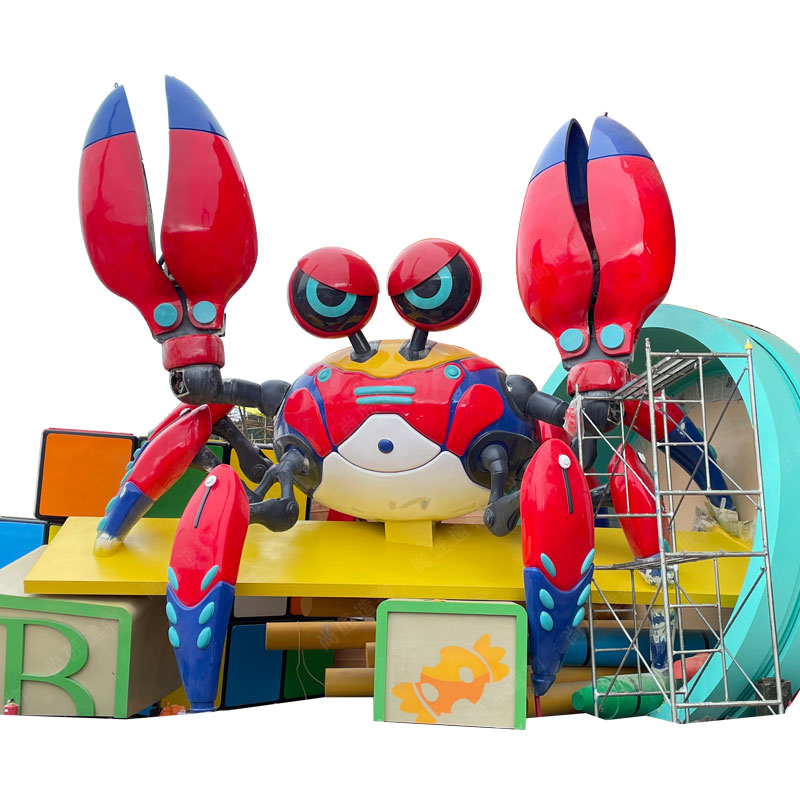
Incorporating licensed character statues into moving sculpture art opens up a wealth of possibilities for creativity. One engaging approach is to use character bases as support structures, allowing the movement of the sculpture to be harmonized with the character's pose. This method can help create a sense of interaction, as if the character is actively partaking in the kinetic experience. Another idea is to integrate light elements around these statues, highlighting their features as they move. Additionally, pairing characters with thematic backgrounds can enhance storytelling, creating a dynamic scene that captures attention. Add motion through pulleys or gears that incorporate characters into broader narratives, encouraging viewers to engage with both the artwork and mascots they love. These strategies can elevate your moving sculpture art and breathe new life into beloved characters, making them an integral part of your artistic expression.
Artful Fusion: Merging Character Designs into Dynamic Sculptures
Merging character designs into moving sculptures can breathe new life into traditional artistic expressions. Start by selecting iconic characters that resonate with diverse audiences. Consider how these figures can be integrated into kinetic elements; for example, a character statue could serve as the centerpiece of a mobile or a rotating installation. Utilize lightweight materials, like fiberglass, to ensure mobility and ease of installation. Emphasizing textures and colors that reflect the character’s essence can enhance visual appeal, while mechanics should be seamlessly incorporated to create fluid motion. This approach fosters an engaging interplay between the familiar and the innovative, inviting viewers to appreciate the charm of beloved characters in an entirely new way while showcasing their unique kinetic properties. Incorporating elements such as LED lights can further elevate the artwork, adding an interactive dimension that captures attention and sparks imagination.
Innovative Approaches to Create Moving Art with Licensed Statues
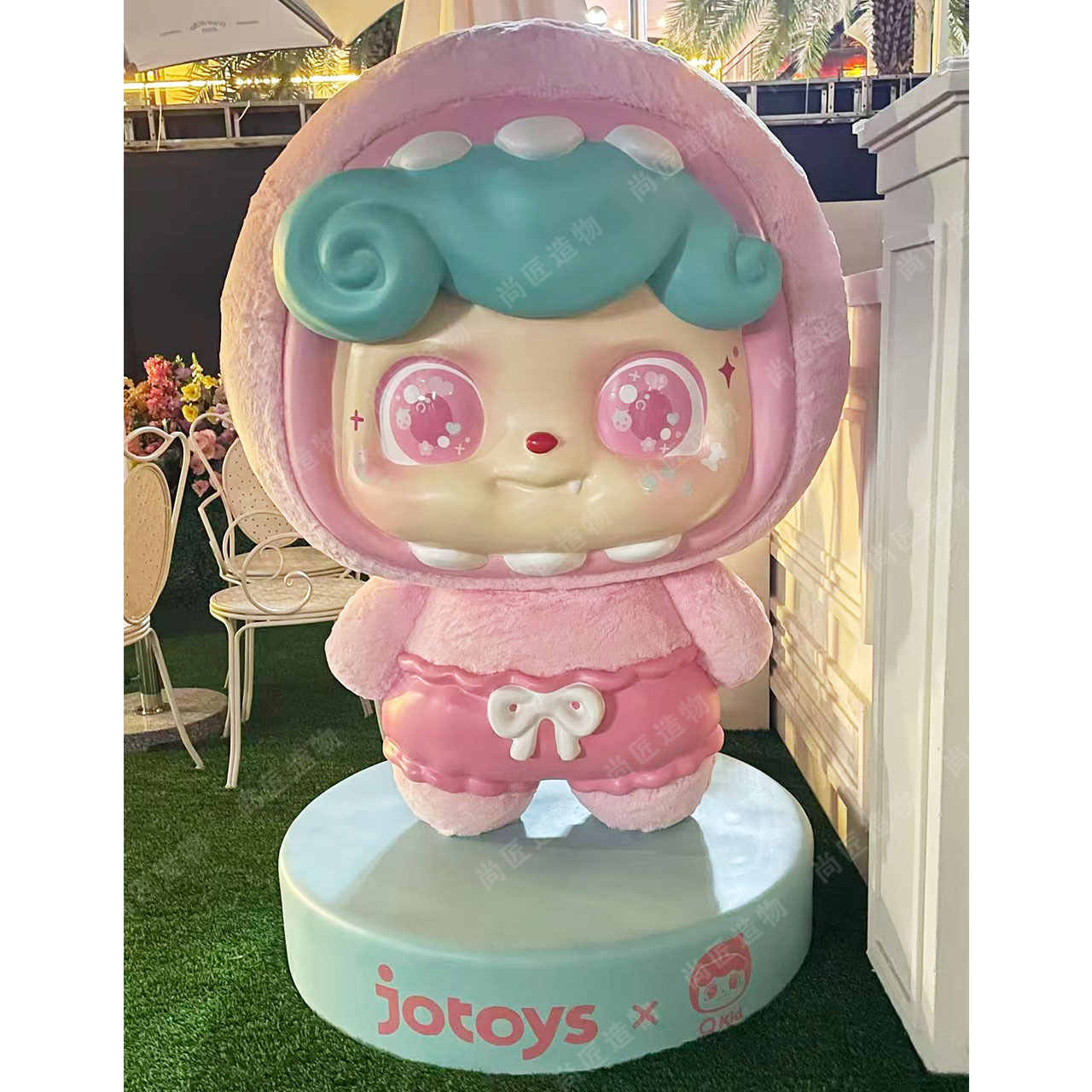
Incorporating licensed character statues into moving sculpture art opens a world of imaginative possibilities. One effective approach is to use lightweight materials, enabling the characters to move fluidly. Integration of simple motorized mechanisms can create kinetic effects that draw viewers in, making the art come alive. Consider designing interactive elements that allow audiences to engage with the sculpture, perhaps by allowing them to control motions through touch or distance sensors. Another idea is to play with contrasts; combining bold, colorful characters with minimalist backgrounds can highlight the dynamic movement of the sculptures. Additionally, layering different heights and materials can add depth and intrigue, inviting a closer look at how movement and artistry intertwine in this creative fusion.
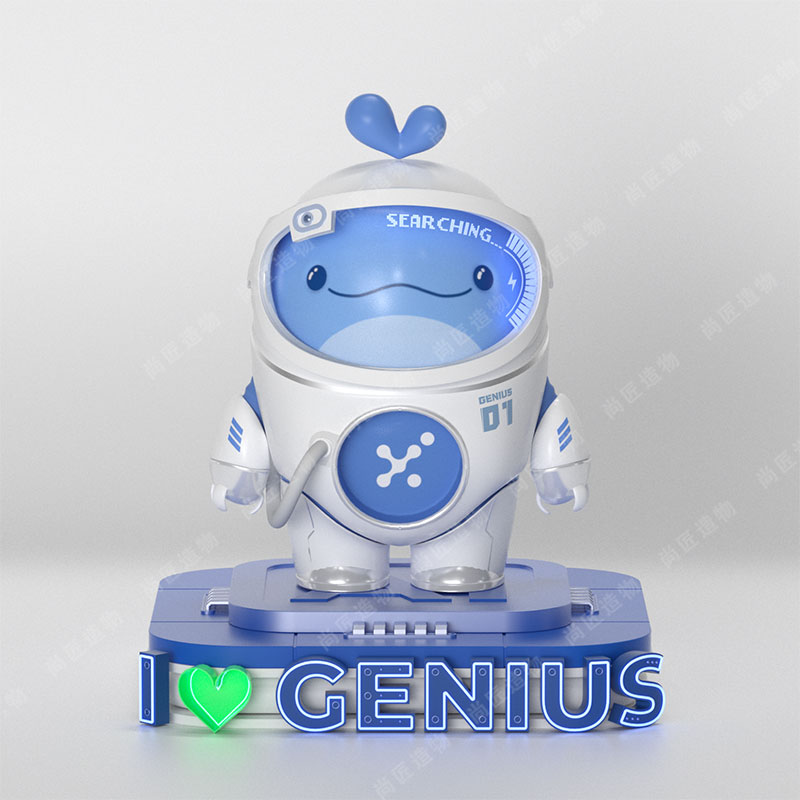
Design Tips for Adding Beloved Characters to Moving Sculpture Art
When incorporating licensed character statues into moving sculpture art, consider how the character’s personality can enhance the overall design. Start by selecting characters that resonate with your audience. Elements such as color, pose, and expression should reflect the character's essence, making them instantly recognizable. Use lightweight materials for the statue to ensure easy movement and balance within the sculpture. Incorporate dynamic elements like motors or pulleys to create engaging motion that captures attention. Additionally, think about the backdrop; a well-designed setting can elevate the impact of your entire piece. Don’t forget to look at materials like Stainless steel sculpturefor durability and aesthetic appeal. When all these aspects come together, they create a cohesive and captivating artwork that celebrates beloved characters in an innovative way.
Exploring the Synergy of Licensed Statues and Kinetic Art Forms
Integrating licensed character statues into kinetic art opens up exciting possibilities for artists. These beloved figures can add a narrative element to moving sculptures, drawing viewers into a story that evolves as the art changes shape. For instance, using a recognizable character as the focal point can bring movement to life, providing a visual rhythm that enhances the sculpture’s emotional impact.
Artists can explore various materials and mechanics to bring their visions to fruition. By employing lightweight materials for both the statue and its supportive structure, movement becomes more fluid and engaging. Additionally, incorporating gears or pulleys allows for intricate interactions between components, making the characters seem alive. This fusion not only revitalizes traditional sculpture but also elevates the audience's experience through playful engagement with familiar figures in an innovative context.
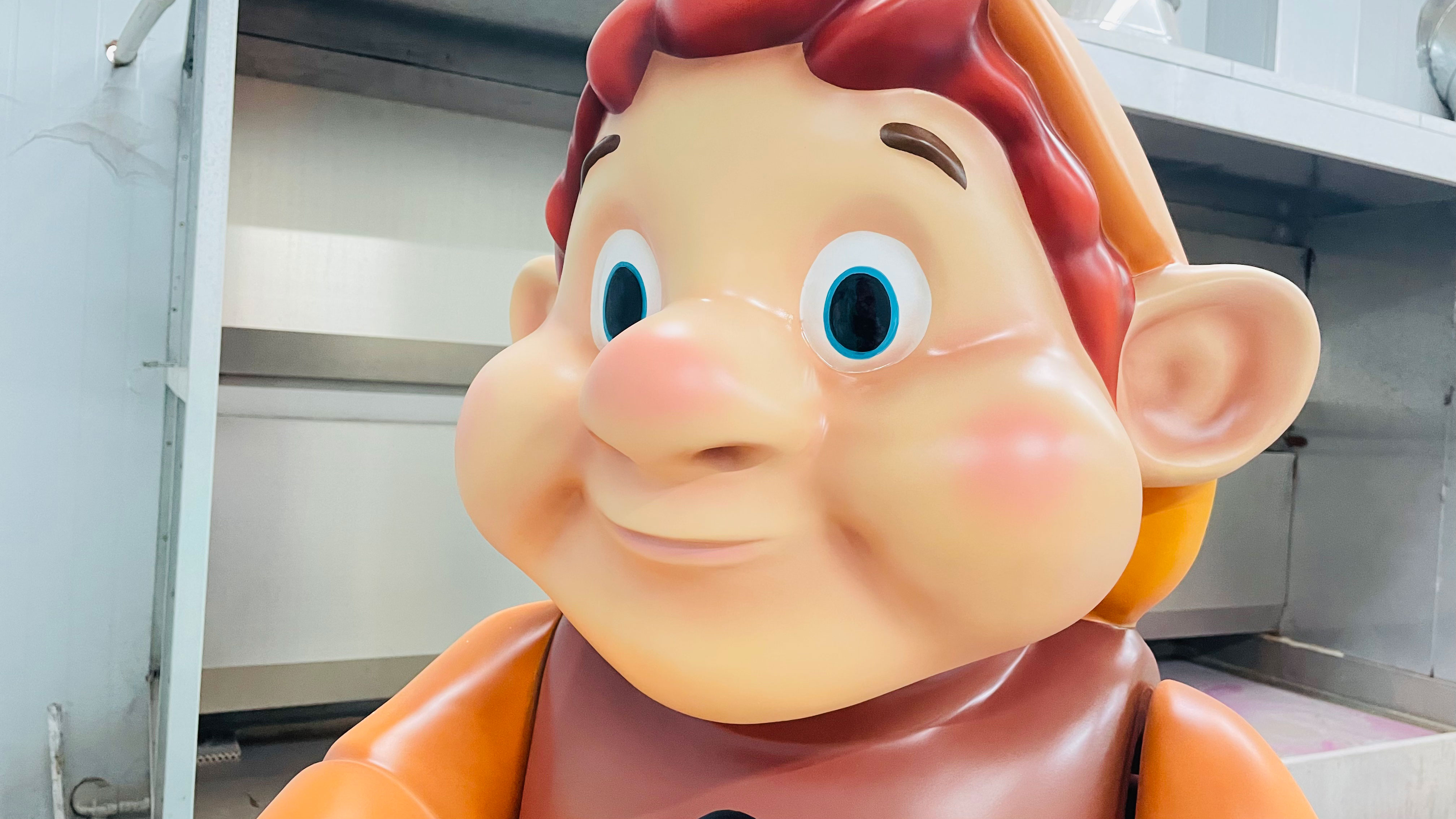
Conclusion
Incorporating licensed character statues into moving sculpture art creates a vibrant dialogue between beloved figures and dynamic creativity. This fusion not only attracts diverse audiences but also transforms familiar characters into engaging, interactive experiences. By carefully choosing characters that resonate with viewers, artists can establish emotional connections while utilizing lightweight materials for fluid movement. Moreover, integrating mechanical elements allows for further exploration of the narrative potential these sculptures possess. As art evolves, the collaboration between character design and kinetic motion stands to offer a fresh perspective on storytelling through sculpture, enriching both artistic expression and viewer engagement.
FAQs
What characters work best in moving sculpture art?
Characters that resonate deeply with audiences, such as popular icons or nostalgic figures, are ideal as they elicit emotional connections.
How can movement enhance character statues in sculptures?
Movement can bring characters to life, allowing their stories to unfold dynamically, creating an engaging visual narrative for viewers.
What materials should be used for creating movement in sculpture art?
Using lightweight materials like fiberglass or certain plastics can facilitate easier movement while maintaining structural integrity.
Are there design techniques that enhance interaction?
Yes, incorporating elements like touch sensors or wind-driven mechanisms can invite viewers to engage with the sculpture, creating a more personal experience.
Can lighting play a role in the presentation of moving sculptures?
Absolutely! Strategic lighting can highlight character features and enhance the overall dramatic effect as the sculpture moves.