ch
ch English

Kinetic design, particularly in the realm of FRP sculptures, redefines traditional art forms by introducing motion as a vital component. This integration not only beautifies spaces but also fosters interaction between the artwork and its viewers. With materials like fiberglass reinforced plastic, artists enjoy the benefits of durability and adaptability, enabling them to create intricate designs that respond to external influences. As kinetic sculptures move in response to light, wind, or human touch, they invite audiences to step closer and engage actively with the art. This process transforms static observation into an enriching experience that deepens emotional connections and broadens perceptions of sculpture as an art form. Ultimately, moving sculpture art embodies a contemporary fusion of creativity and innovation that is set to evolve further in the future.
Understanding Kinetic Design: The Art of Moving Sculpture
Kinetic design is a fascinating realm where art meets motion, transforming static works into dynamic experiences. Moving sculptures, especially those crafted from Fiberglass Reinforced Plastic (FRP), offer unique opportunities to engage audiences. These sculptures are not just visually appealing; they interact with their surroundings and reflect light, creating captivating displays that change with the viewer's perspective.
The versatility of FRP allows artists to create imaginative designs that can withstand outdoor elements while remaining lightweight. By incorporating elements of movement, whether through mechanical systems or the wind's natural force, these sculptures evoke a sense of life and energy. As a result, they invite viewers to experience art in a new way—encouraging interaction and contemplation. This blend of artistry and engineering sets the stage for innovative creations that breathe life into public spaces and galleries alike.
| Feature | Detail |
|---|---|
| Material | Fiberglass Reinforced Plastic (FRP) |
| Benefits | Lightweight, durable, versatile |
| Viewer Interaction | Engagement through movement |
| Environmental Influence | Reflective and responsive to surroundings |
By breaking traditional boundaries, kinetic sculptures push the limits of creativity, embodying a harmonious fusion between aesthetics and motion. This evolution in fine art continues to inspire new generations of artists and art lovers across the globe.
For more insights into playful designs in sculpture, check out Cartoon sculpture.
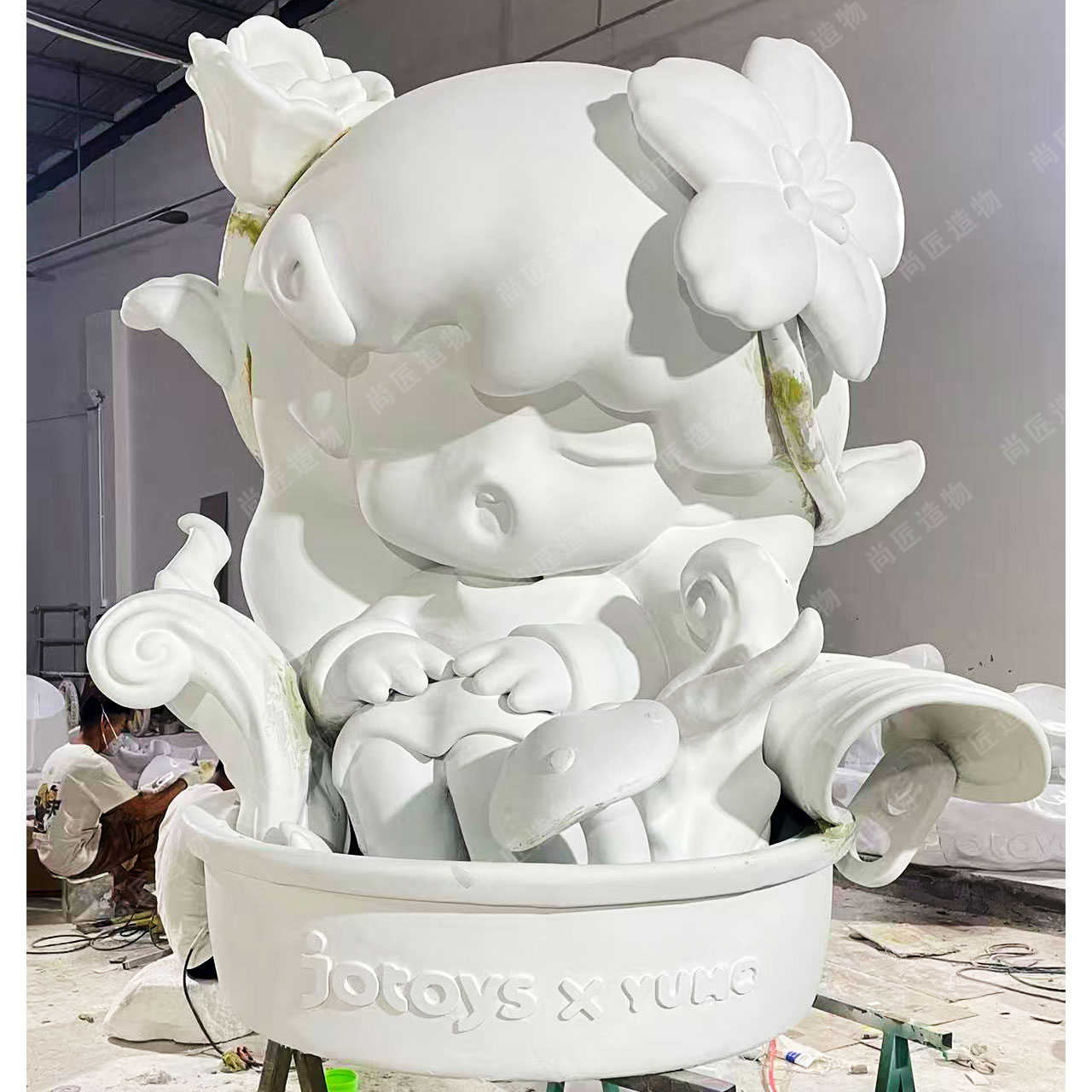
The Allure of FRP Sculpture in Contemporary Art
FRP sculpture, or fiberglass-reinforced plastic sculpture, has gained significant traction in contemporary art due to its unique combination of durability and versatility. Artists are drawn to the material for its lightweight nature and ability to be molded into intricate designs. This accessibility encourages creativity, allowing artists to experiment with forms that capture movement and engage viewers. As kinetic art evolves, FRP sculptures often incorporate movement mechanisms, enhancing their visual impact and inviting interaction.
"Art is not what you see, but what you make others see." - Edgar Degas
Incorporating motion into these sculptures adds a dynamic element that transforms spaces and fosters a dialogue between the piece and its environment. The allure of these works lies not only in their aesthetic appeal but also in the emotional responses they evoke as they sway, spin, or undulate. This connection between viewer and artwork creates immersive experiences that redefine traditional perceptions of sculpture.
For those interested in exploring similar themes in different contexts, check out this IP character sculpture.
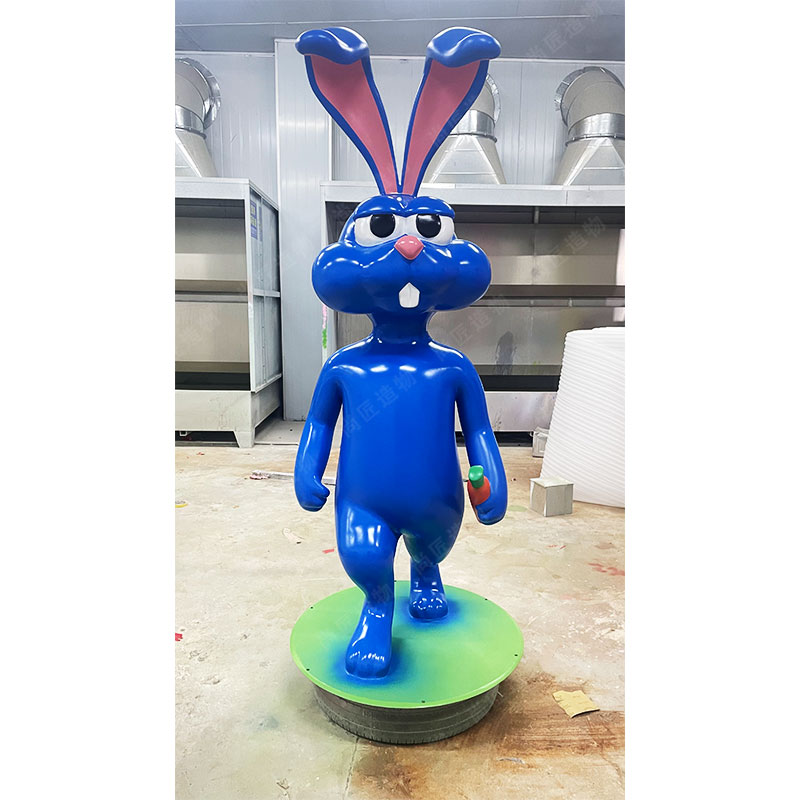
How Motion Transforms Artistic Environments: The Role of Kinetic Sculptures
Kinetic sculptures play a vital role in transforming artistic environments by introducing an element of movement that engages viewers in a unique way. These works, often crafted from materials like fiberglass reinforced plastic (https://en.artmovr.com/).

Bringing Art to Life: Innovations in FRP Sculpture Design
Innovations in FRP (Fiberglass Reinforced Plastic) sculpture design have opened new avenues for artists, enhancing both functionality and aesthetics. These modern designs leverage lightweight yet durable materials, allowing for intricate shapes and larger installations that traditional materials often cannot support. Additionally, technological advancements enable the incorporation of motorized elements in these sculptures, creating dynamic pieces that shift and change with the environment. This movement captivates audiences, inviting them to engage with art in interactive ways. Furthermore, artists now experiment with color and texture through layering techniques, adding depth to the visual experience. As a result, FRP sculptures are becoming central features in public spaces and galleries alike, enriching our surroundings with a blend of creativity and movement.
Exploring the Symbiosis of Aesthetics and Motion in Moving Sculptures
Moving sculptures, particularly those crafted from fiberglass reinforced plastic (FRP), represent a striking blend of visual appeal and kinetic energy. These sculptures are designed not just to be viewed, but to evoke a sense of interaction and engagement. The integration of motion transforms the way we perceive art, making each piece a dynamic part of its environment. As they turn, sway, or shift in response to external forces like wind or human interaction, they create an immersive experience for viewers. This interplay between aesthetic beauty and movement invites observers to appreciate art from different angles and perspectives, adding depth to their experience. Moreover, the thoughtful design of these sculptures often incorporates elements that enhance their motion and visual appeal, further establishing a captivating relationship between form and function. Through this interplay, moving sculptures become vital components of contemporary art that resonate with both emotions and intellect.
Kinetic Creations: A New Era in Fine Art Through Movement
Kinetic sculptures mark a significant shift in the world of fine art. Unlike traditional static pieces, these artworks engage viewers through their dynamic designs. Artists now explore the combination of technology and creativity, using materials like fiberglass reinforced plastic (FRP) to craft pieces that not only capture attention but also alter the environment around them. The moving elements evoke emotions and provoke thought, inviting onlookers to experience art in a new way. Viewers are drawn into immersive encounters, where art becomes a dialogue rather than mere observation. This evolution reflects growing appreciation for artwork that embraces change and interaction, fostering a deeper connection between the piece and its audience. As artists continue to push boundaries in kinetic design, the result is an exciting era where beauty and motion coexist harmoniously.
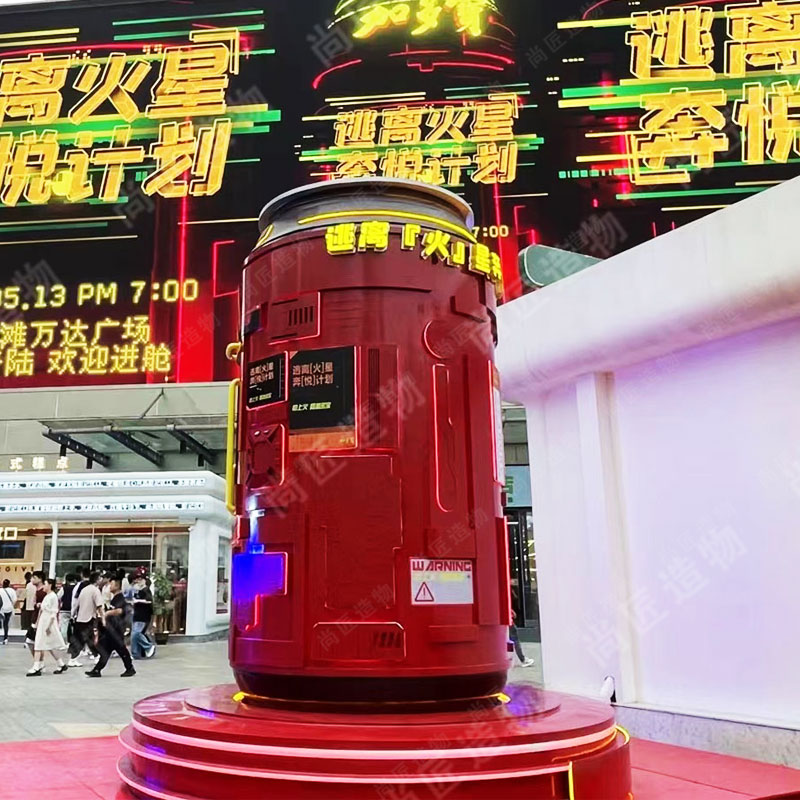
FRP Sculptures: Merging Beauty with Motion for Dynamic Art Experiences
FRP sculptures have emerged as a captivating bridge between artistry and kinetic design, offering dynamic experiences that engage audiences in unique ways. These sculptures, made from fiberglass-reinforced plastic, are not just visually striking but also possess an inherent ability to move, creating a sense of life and interaction within their surroundings. As these artworks sway and rotate gently in response to the wind or visitor interaction, they transform static spaces into vibrant environments. This blend of form and motion allows viewers to appreciate the craftsmanship while also experiencing a deeper connection with the art itself. The fluidity of FRP sculptures invites contemplation, encouraging observers to explore the interplay between stability and change, further enriching their artistic experience.
The Future of Moving Sculpture: Trends and Developments in Kinetic Art
The future of moving sculpture art encompasses exciting trends that blend technology with creativity. Artists are increasingly exploring the integration of smart technologies, such as motion sensors and interactive elements, to enhance viewer engagement. This allows sculptures to respond dynamically to their environment or audience, creating a unique experience every time. Additionally, sustainable materials are becoming more prominent in the creation of kinetic sculptures. Artists are focusing on eco-friendly sources that not only reduce environmental impact but also resonate with contemporary art themes. As a result, installations in public spaces are evolving to include these innovative designs, captivating a broader audience and revitalizing urban landscapes with motion and energy. The ongoing exploration of these trends positions kinetic art as a vital component in the future art scene.

Conclusion
The exploration of FRP sculptures highlights the evolving nature of kinetic art, where motion and aesthetics intertwine to create engaging experiences. As artists continue to innovate, the use of lightweight and durable materials like fiberglass reinforced plastic allows for intricate designs that enhance visual appeal while introducing movement. This evolution invites audiences to experience art in a participatory manner, transforming viewers into active participants in the artistic dialogue. Additionally, the integration of technological advancements further enriches these sculptures, enabling them to respond dynamically to their environment. Consequently, moving sculptures not only breathe life into spaces but also establish profound connections between the artwork and its audience, fostering a deeper appreciation for both creativity and craftsmanship in contemporary art.
FAQs
What is moving sculpture art?
Moving sculpture art refers to artworks that incorporate motion, transforming static pieces into dynamic experiences.
What materials are commonly used in kinetic sculptures?
Fiberglass Reinforced Plastic (FRP) is popular for its lightweight and durable properties, allowing for intricate and innovative designs.
How do kinetic sculptures engage viewers?
These sculptures invite interaction by moving or responding to environmental elements, encouraging viewers to engage and reflect.
What are the advantages of using FRP in sculpture design?
FRP is versatile, weather-resistant, and can be molded into complex shapes, making it ideal for creative artistic expression.
How does motion affect the perception of art?
Motion adds depth and complexity, inviting observers to appreciate the artwork from various angles and fostering emotional connections.