ch
ch English
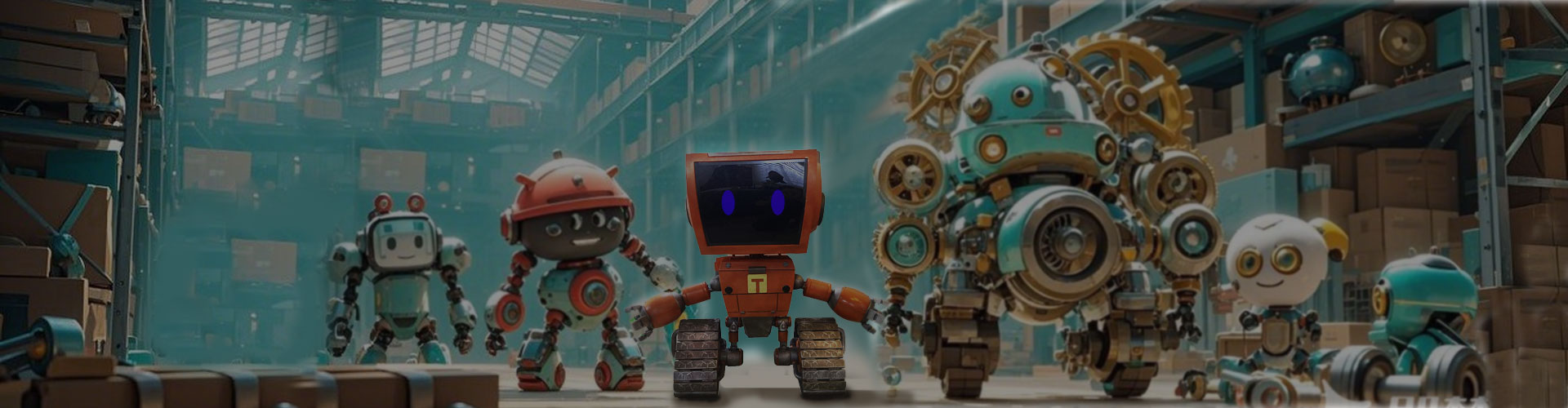
Rust-resistant metals are vital for kinetic sculptures, providing a blend of durability and aesthetic appeal. These materials not only prevent corrosion but also enhance the visual impact, ensuring that sculptures remain striking in various outdoor environments. Stainless steel and aluminum are commonly chosen for their lightweight properties and ability to withstand harsh weather. By minimizing maintenance needs, artists can focus more on creativity rather than repairs. Additionally, the reflective qualities of these metals can create engaging interactions with light, adding another layer to the sculpture's artistic expression. Ultimately, selecting rust-resistant materials is essential for any artist looking to create lasting and captivating kinetic artwork.
The Importance of Rust-Resistant Metals in Kinetic Artwork
When creating kinetic sculptures, selecting the right materials is crucial for ensuring both the longevity and aesthetic appeal of the piece. Rust-resistant metals significantly enhance durability, allowing the artwork to withstand various environmental conditions without compromising its structural integrity. These materials, often lightweight yet strong, enable artists to design intricate movements that can captivate audiences. Additionally, the bright silver finish these metals can provide adds visual appeal, making sculptures stand out in outdoor settings. When considering options like IP character sculpture, rust-resistant alloys become a pivotal choice, ensuring that the sculpture retains its intended form and beauty over time while minimizing maintenance needs usually tied to corrosion.
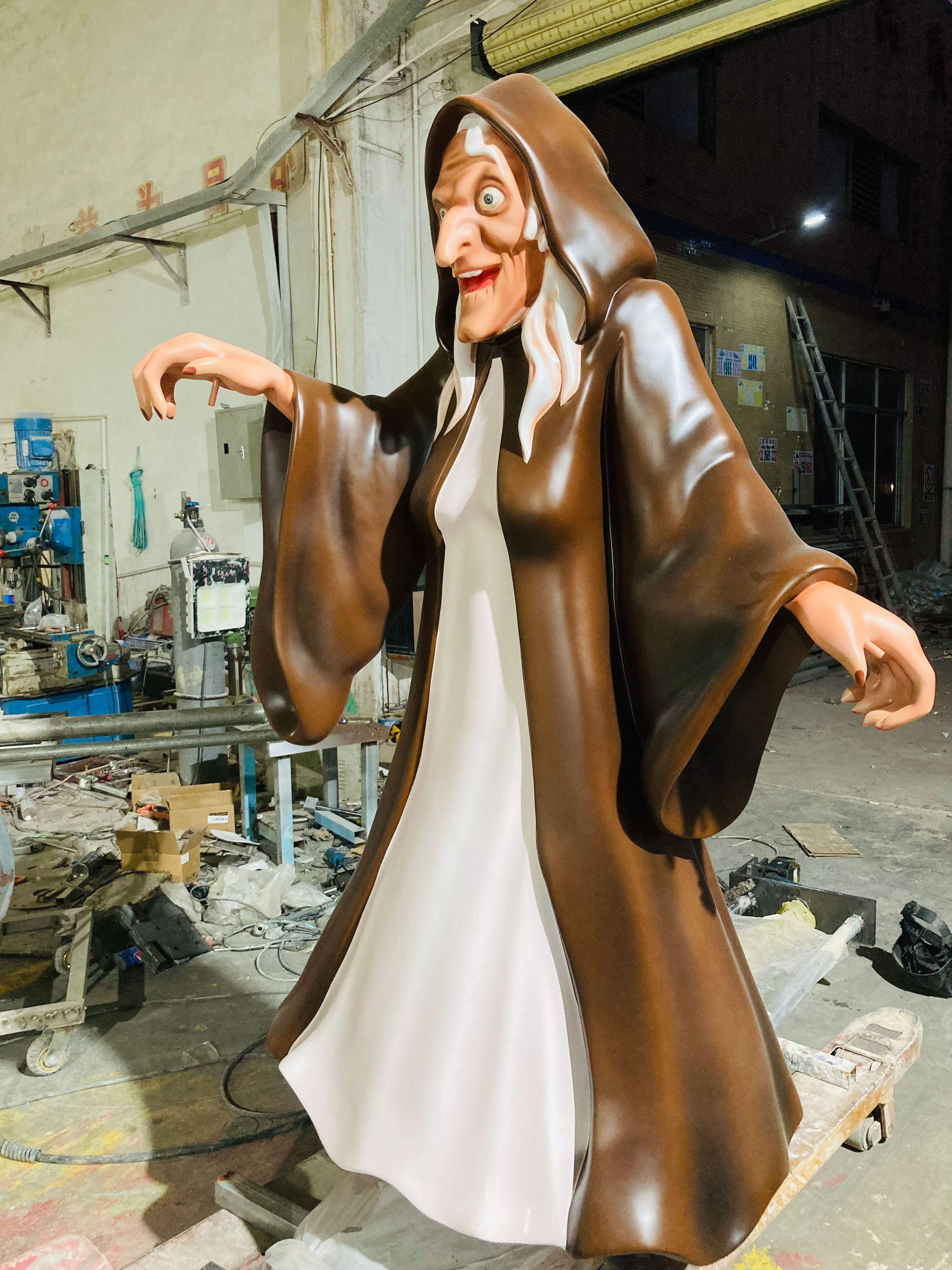
Choosing the Right Materials: Rust Resistance for Large Sculptures
When selecting materials for large sculptures, rust resistance plays a crucial role in ensuring the artwork's longevity and visual appeal. Metals such as stainless steel and aluminum are favored for their ability to withstand harsh environmental conditions without degrading. These materials not only resist rust but also maintain their shine, making them ideal for sculptures intended to be striking focal points in outdoor settings. Using square tubes and thick plates enhances structural integrity while allowing artists more creative freedom in form and design. It is essential to consider the welding properties of these metals, as proper joining methods are vital to withstand stress over time. Selecting the right rust-resistant metals ultimately contributes to creating a durable piece that preserves an artist's vision through every season. For insights into realistic sculpture crafting, check out Realistic sculpture.
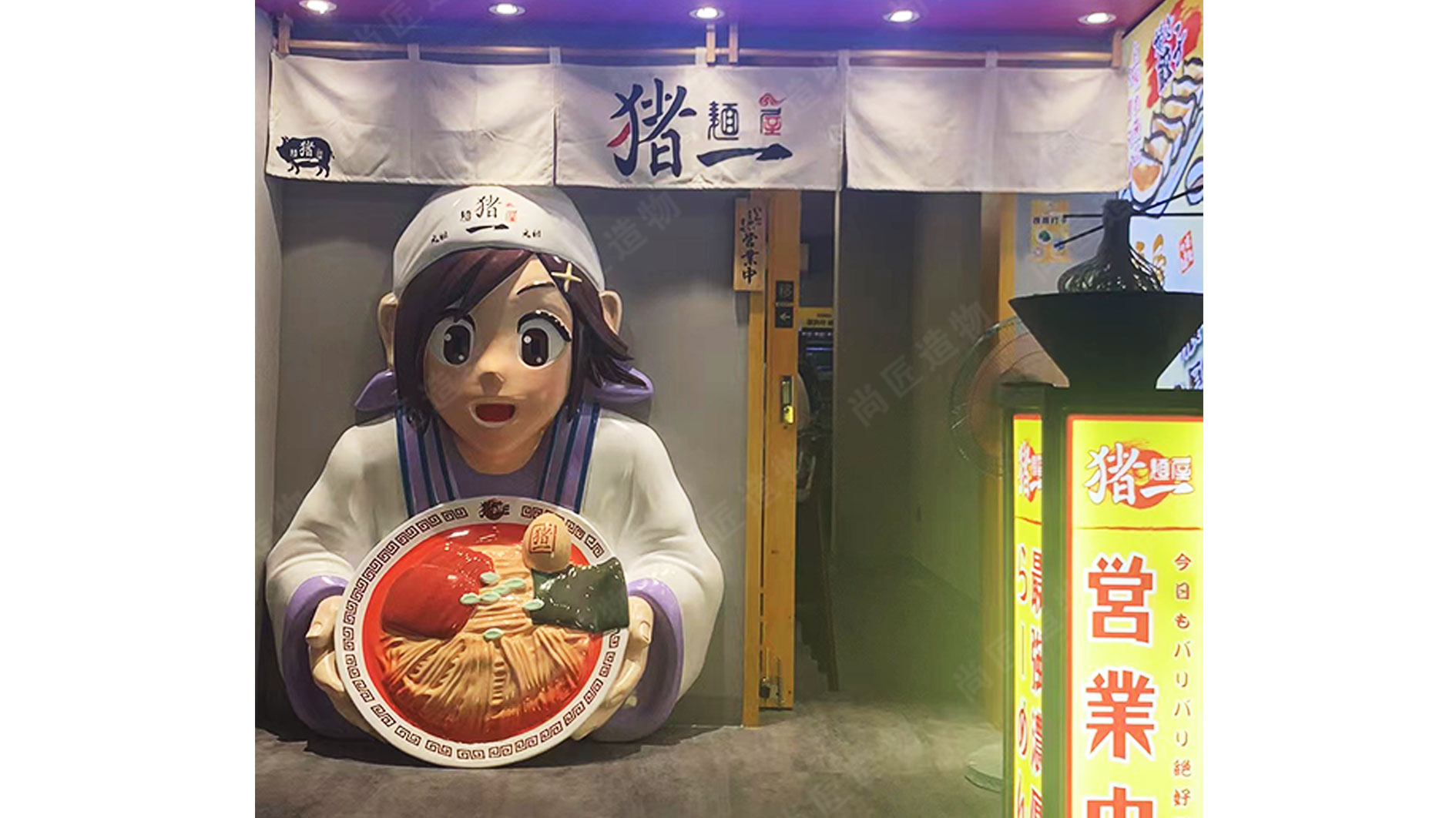
Enhancing Artistic Vision Through Corrosion-Resistant Metals
Corrosion-resistant metals play a pivotal role in the visual impact and longevity of kinetic sculptures. These materials not only withstand harsh environmental conditions but also maintain their aesthetic appeal over time. For artists, using metals like stainless steel or aluminum allows for intricate designs without the worry of rust compromising the work. “When choosing materials, consider how they will interact with their surroundings,” suggests an experienced sculptor. This foresight helps in crafting sculptures that preserve their intended visual brilliance and structural integrity. Additionally, finishes that enhance reflectivity can create captivating light effects, amplifying the sculpture’s interaction with both nature and viewers alike. Thus, corrosion resistance becomes a foundational aspect of artistic vision, enabling creators to push boundaries without fear of deterioration.
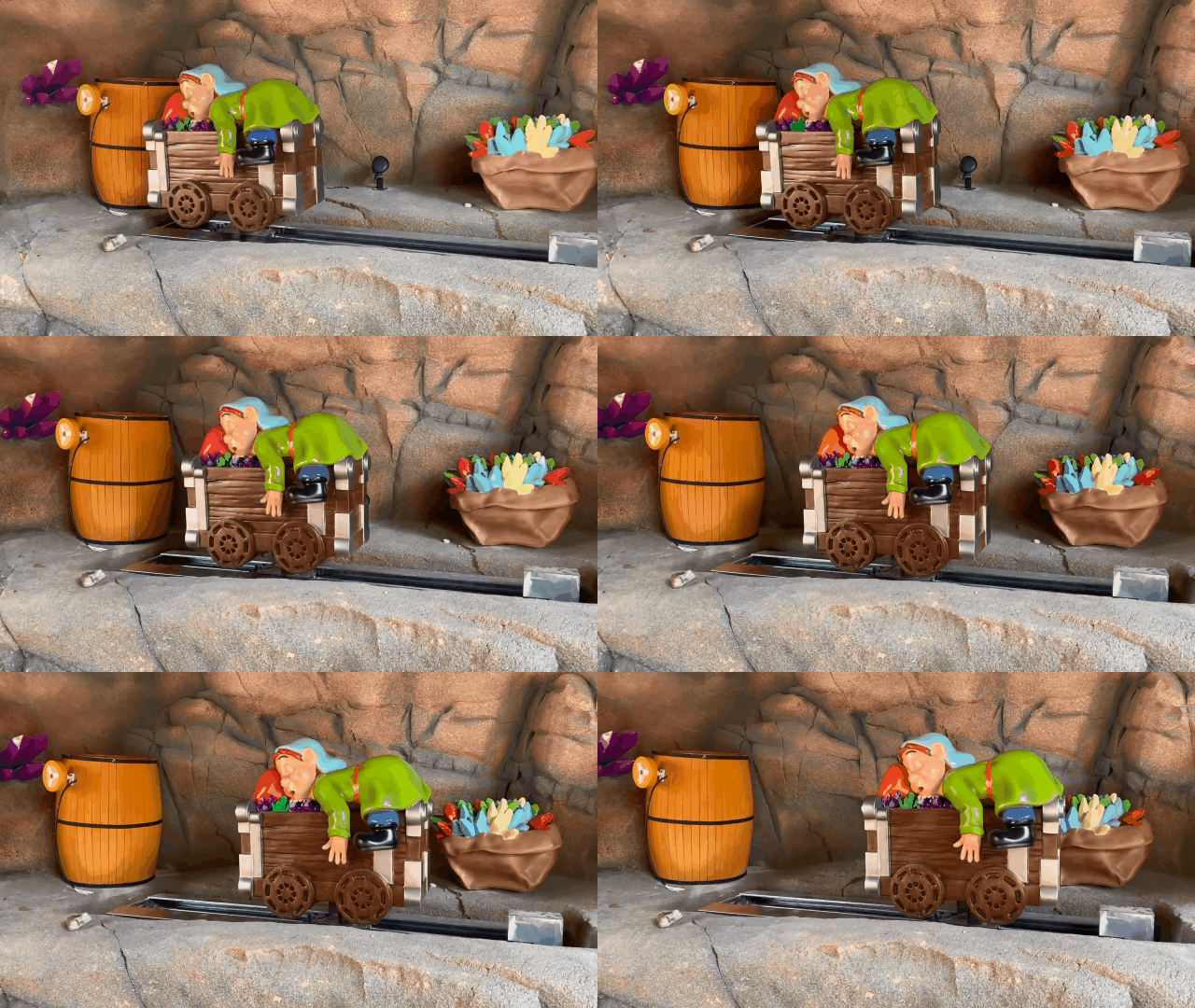
Durability Meets Design: The Role of Rust-Resistant Materials
Rust-resistant materials play a crucial part in the creation of kinetic sculptures, marrying durability with innovative design. When artists select metals like stainless steel or weathering steel, they ensure longevity in outdoor installations. These metals not only withstand the elements but also maintain their artistic integrity over time. The aesthetic appeal is equally important; bright silver finishes can enhance visual impact, drawing attention to the sculpture's movement and form. Moreover, using robust materials minimizes maintenance needs, allowing creators to focus more on their artistic vision rather than frequent repairs. This way, the sculptures not only look stunning but also stand strong against time and corrosion. For an example of how art can combine playful design with durability, check out this Cartoon sculpture.
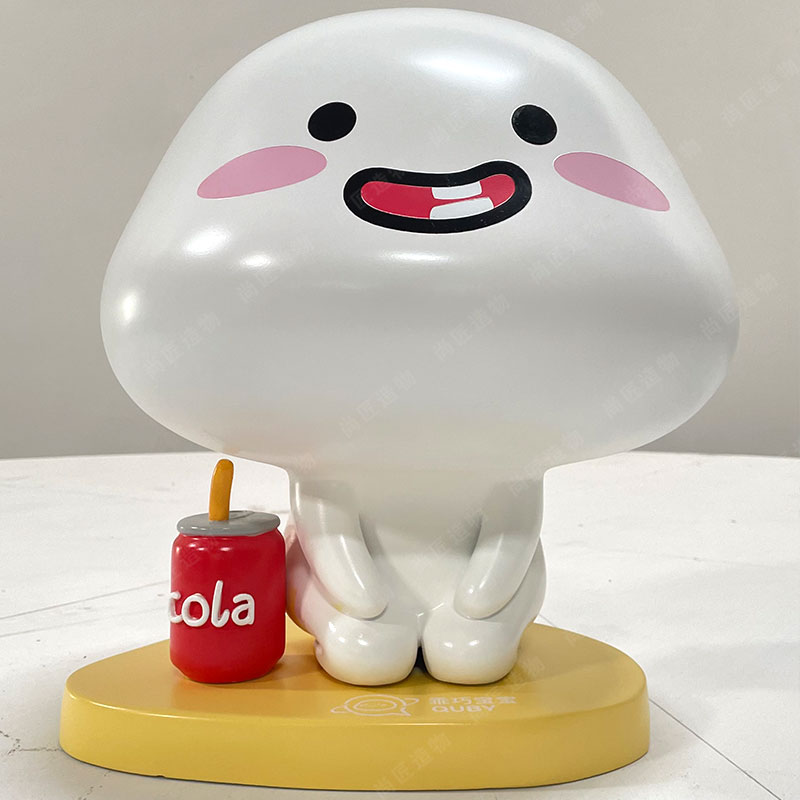
How Rust-Resistant Materials Impact the Aesthetics of Sculptures
Rust-resistant materials play a vital role in the aesthetics of sculptures, especially those intended for outdoor settings. These metals not only provide a sleek and polished finish but also maintain their visual appeal over time. For example, the shiny surfaces of stainless steel or aluminum withstand environmental factors like rain, humidity, and salt air without losing their luster. Additionally, their corrosion resistance allows artists to create intricate designs without worry that weathering will compromise the structure or elegance of the piece.
Using rust-resistant materials can also facilitate a broader range of artistic choices regarding color and texture. Artists can apply various finishes to enhance the sculpture's appearance while ensuring longevity. The following table highlights common rust-resistant materials along with their aesthetic properties:
| Material | Aesthetic Properties | Common Uses |
|---|---|---|
| Stainless Steel | Shiny, modern look | Large outdoor sculptures |
| Aluminum | Lightweight with vibrant finishes | Kinetic art and installations |
| Corten Steel | Rustic appearance that patinas over time | Landscape sculptures |
With these characteristics in mind, employing rust-resistant metals significantly enhances not only the durability but also the visual impact of large sculptures, allowing artists to create lasting impressions for years to come.
The Benefits of Using Corrosion-Resistant Metals in Outdoor Art
Using corrosion-resistant metals in outdoor art offers several advantages that artists should consider. First, these materials significantly enhance the longevity of sculptures, minimizing maintenance needs over time. When sculptures are exposed to the elements, rust and corrosion can quickly diminish their visual appeal. By choosing materials that resist these issues, artists ensure that their work remains striking and vibrant throughout the years. Additionally, these metals provide a unique aesthetic value; their reflective qualities can create stunning visual effects under varying lighting conditions. This aspect is particularly advantageous for kinetic sculptures, where movement plays a key role in the overall experience. Incorporating corrosion-resistant metals not only supports the artistic vision but also upholds the durability required for outdoor installations. For those interested in alternative materials for sculpture creation, exploring options like Fiberglass sculpturecan also provide innovative solutions alongside metal choices.
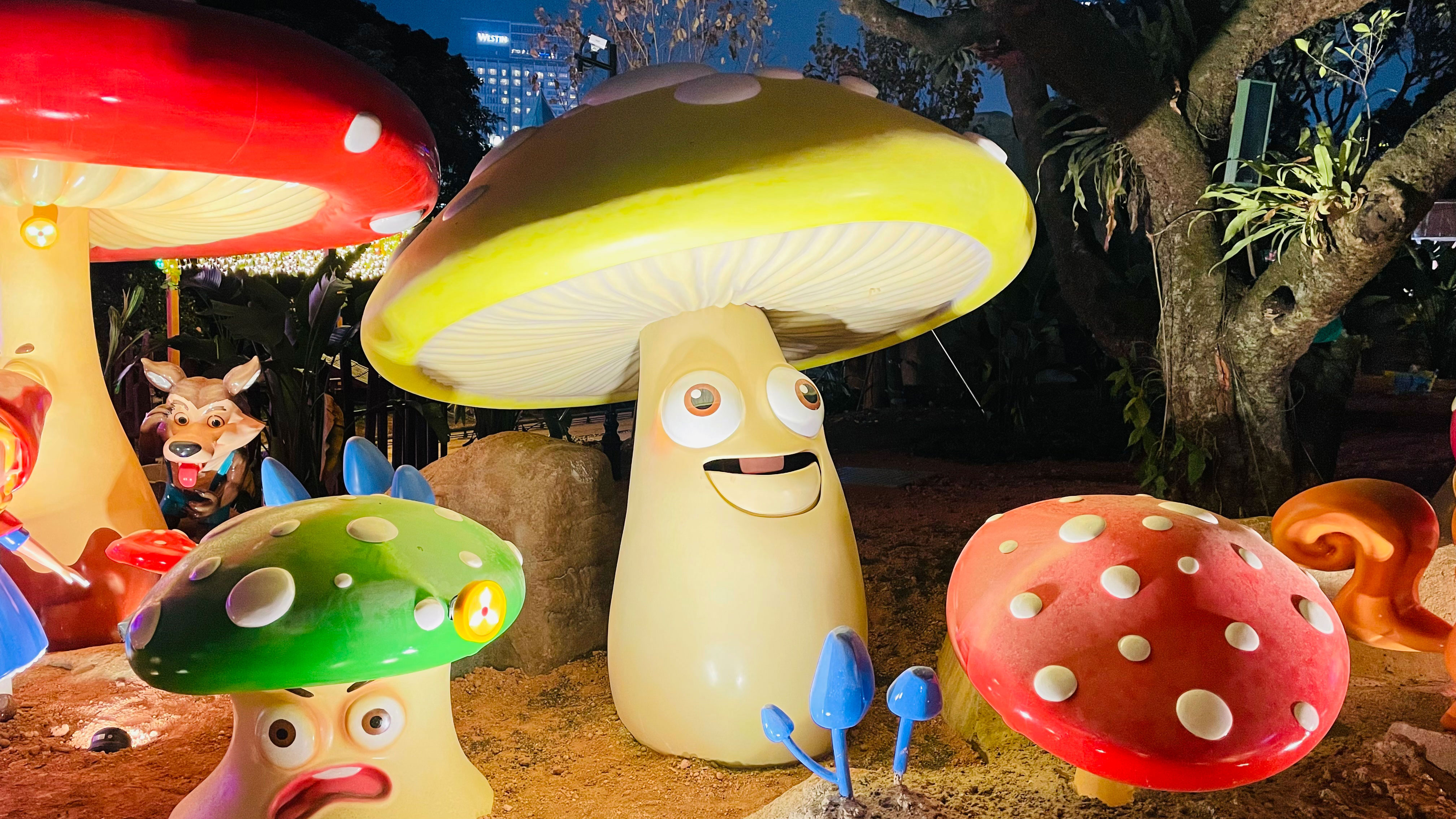
Ensuring Longevity in Kinetic Sculptures with Rust-Resistant Metal
Choosing rust-resistant metal is crucial for the longevity of kinetic sculptures. These materials, like stainless steel and aluminum, offer excellent corrosion resistance, ensuring that the sculptures retain their visual appeal over time. When exposed to varying weather conditions, rust-resistant metals withstand the elements better than traditional options. This durability allows artists to focus on the design and movement of their sculptures without worrying about deterioration. Moreover, using these metals can reduce maintenance costs in the long run. Artists should consider factors such as weight and weldability alongside rust resistance, as this combination allows for innovative designs while maintaining structural integrity.
Rust-Resistant Alloys: A Key to Successful Sculpture Projects
Choosing rust-resistant alloys is crucial for the longevity and integrity of kinetic sculptures. Materials like stainless steel and aluminum not only provide strength and stability but also resist corrosion, ensuring that sculptures maintain their visual appeal over time. These metals are engineered to withstand various environmental factors, including moisture and pollutants, which can lead to deterioration in standard metals. The adaptability of rust-resistant alloys allows artists to explore innovative designs without the worry of compromising structural integrity. For large-scale projects, using square tubes and thick plates made from these materials can significantly enhance welding capabilities, further facilitating intricate assembly processes while minimizing the risks of material fatigue. Ultimately, embracing rust-resistant alloys is a strategic choice that combines functionality with aesthetics in the realm of large sculptural artworks.
Conclusion
Incorporating rust-resistant metals in kinetic sculptures is essential for both their durability and aesthetic appeal. These materials not only protect the artwork from corrosion but also enhance its visual impact, allowing it to shine in various weather conditions. Artists benefit from the reliability of rust-resistant alloys as they can create intricate designs without compromising the sculpture's longevity. Moreover, these metals help minimize maintenance needs, allowing creators to concentrate on artistic expression rather than repairs. By selecting rust-resistant materials, artists can ensure their sculptures maintain a striking appearance while standing the test of time in outdoor environments.
FAQs
What are rust-resistant metals used for in kinetic sculptures?
Rust-resistant metals are essential in kinetic sculptures as they enhance durability and longevity, allowing the artwork to withstand environmental elements without degrading.
Which types of rust-resistant metals are preferred by artists?
Artists typically prefer stainless steel and aluminum for their excellent corrosion resistance, lightweight properties, and aesthetic appeal.
How do rust-resistant materials affect maintenance requirements?
Using rust-resistant materials significantly reduces maintenance needs, enabling artists to focus on creative aspects rather than frequent repairs linked to corrosion.
Can rust-resistant metals impact the visual appeal of a sculpture?
Yes, rust-resistant metals can enhance visual appeal by providing a shiny finish that retains its vibrancy over time and creates captivating reflections in varying light conditions.
What should artists consider when choosing materials for kinetic sculptures?
Artists should consider the metal's weight, weldability, and rust resistance to ensure both structural integrity and innovative design possibilities.