ch
ch English
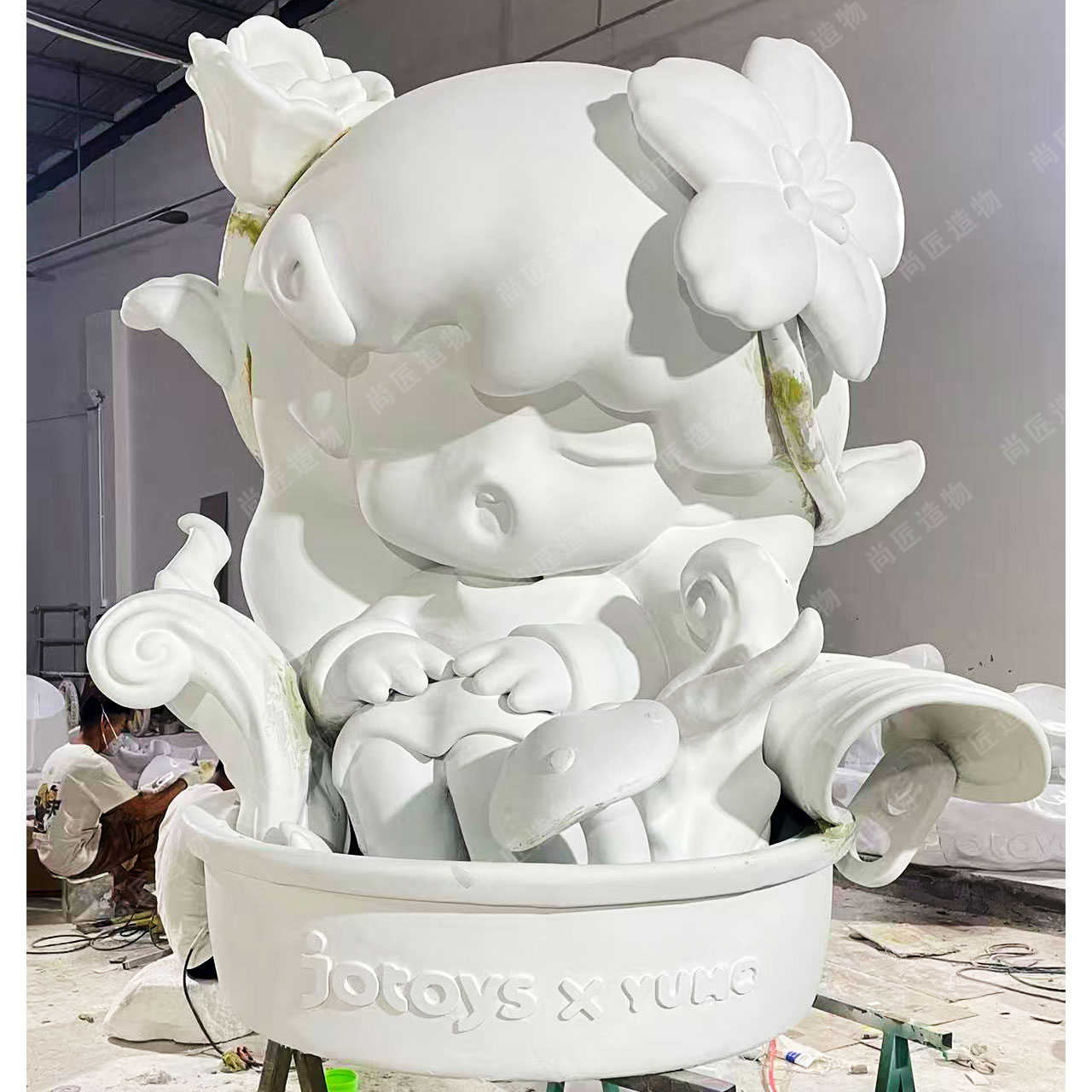
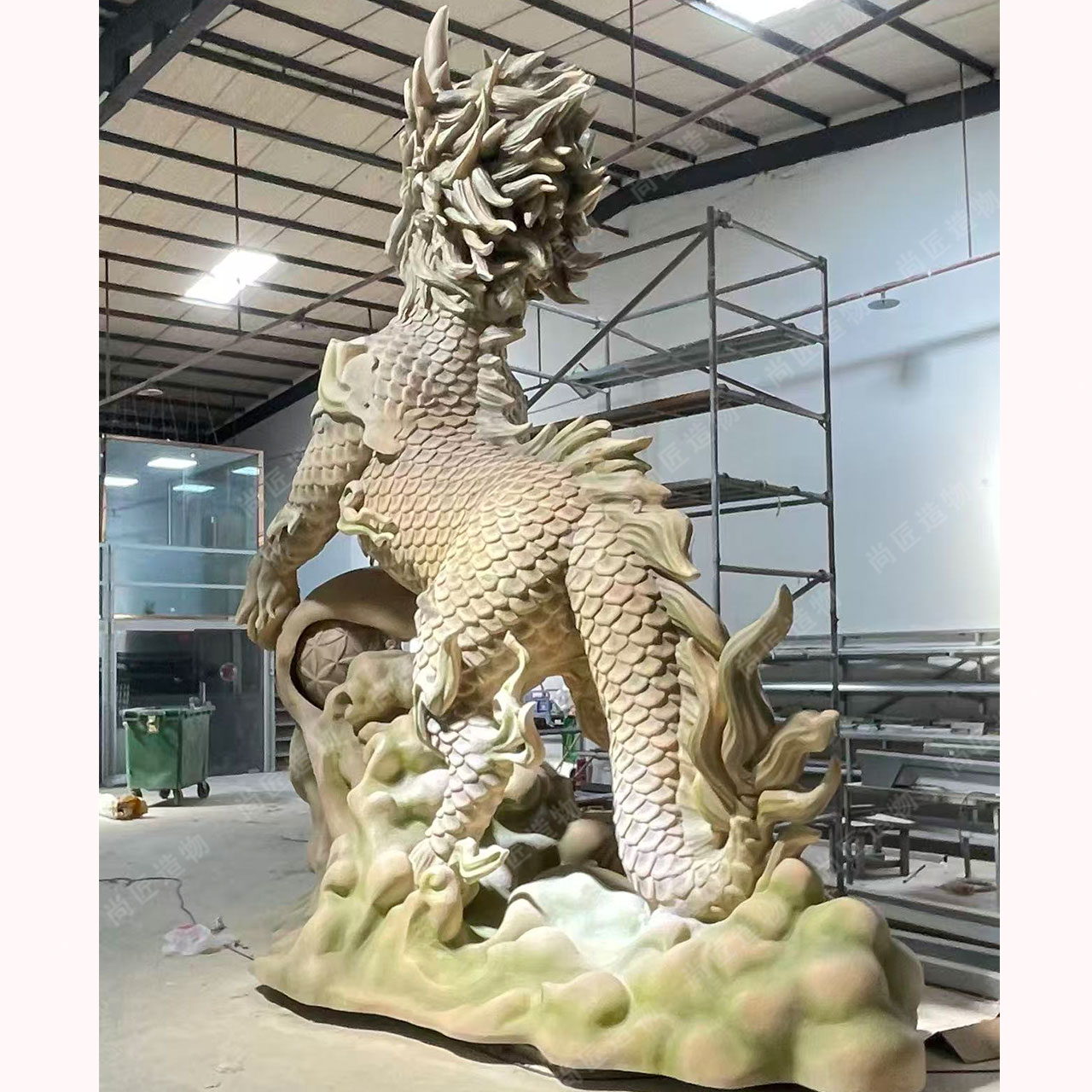
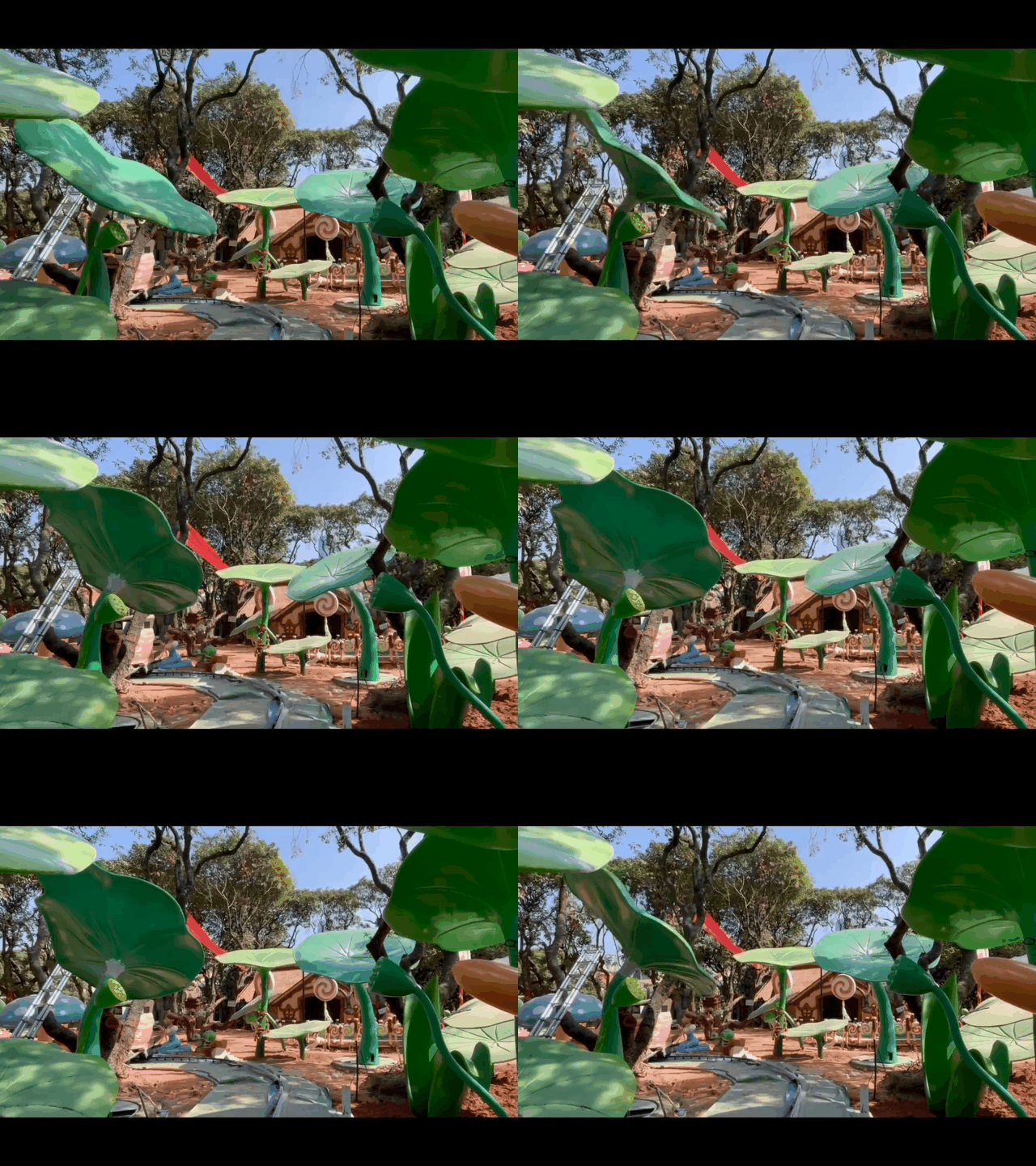
Licensed character statues have redefined public art by merging commerce with culture. They create vibrant spaces that enhance community interaction while reflecting local identities. These installations invite engagement and foster connections among diverse groups, sparking conversations based on shared cultural references. As people interact with these statues, they nurture a sense of belonging and pride within their communities. Furthermore, the artistic collaboration between local creators and brands enhances the public art landscape, demonstrating that merchandise-inspired pieces can contribute meaningfully to urban aesthetics and cultural narratives. This evolution highlights the importance of community-centered designs that resonate with residents' experiences, ultimately enriching the urban environment.
Licensed Character Statues: Redefining Urban Aesthetics through Public Art
Licensed character statues have emerged as dynamic features in urban landscapes, seamlessly blending artistry with community spirit. These public installations not only serve as visual landmarks but also embody cultural narratives that resonate with diverse populations. They transform mundane spaces into vibrant hubs of interaction, inviting residents and visitors alike to engage with the artwork. By incorporating beloved characters from popular culture, these statues spark nostalgia and joy, fostering a sense of connection among community members.
| Influence of Character Statues on Urban Life | Description |
|---|---|
| Community Interaction | Characters attract crowds, encouraging socializing. |
| Artistic Value | Merges playful design with artistic expression. |
| Cultural Significance | Reflects local identities and shared experiences. |
Each statue opens a dialogue about creativity and cultural expression, illustrating how merchandise-inspired art can redefine urban aesthetics. Moreover, these installations challenge traditional views of public art by proving that commercial elements can contribute meaningfully to artistic landscapes. For more on similar themes, explore Cartoon sculpture.
The Impact of Merchandise-Inspired Art on Community Spaces
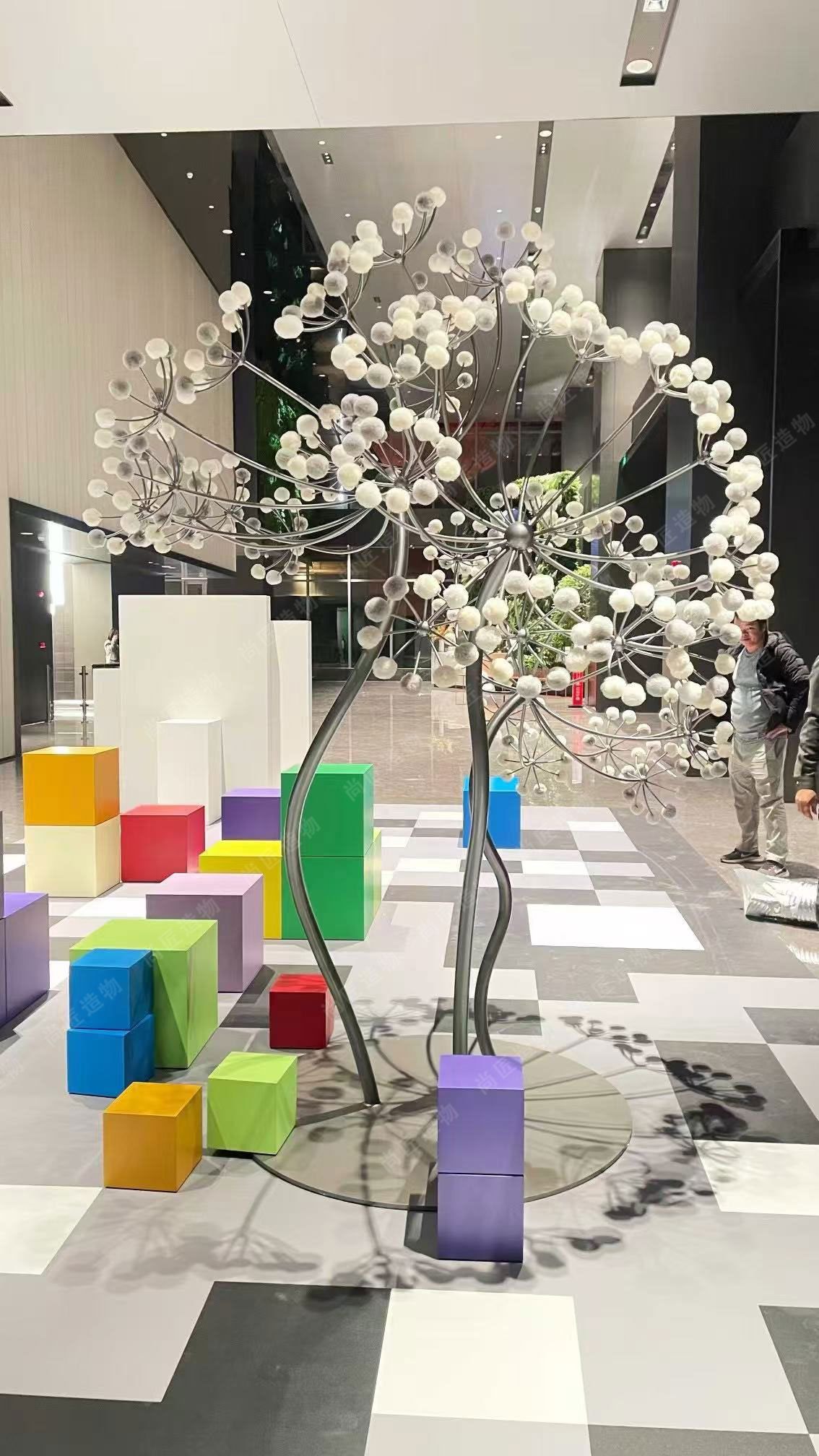
Merchandise-inspired art, especially through licensed character statues, plays a significant role in enhancing community spaces. These statues often become iconic symbols of local identity, attracting visitors and fostering a sense of belonging among residents. As they blend art with popular culture, these installations spark conversations and create a lively atmosphere. For instance, many cities have seen a rise in foot traffic around installations that resonate with nostalgia, encouraging engagement from families and tourists alike. Additionally, as public art initiatives grow, they provide opportunities for local artists to collaborate with brands, enriching the cultural landscape while promoting creativity. By transforming ordinary spaces into places of interaction and enjoyment, merchandise-inspired art effectively bridges the gap between commercial appeal and artistic expression. As cities continue to evolve, such art forms can redefine urban aesthetics while fostering community spirit. Local governments and organizations that support these artistic endeavors often notice increased public investment in surrounding areas, ultimately leading to revitalized neighborhoods that celebrate both creativity and culture. For more on the topic of durable public art forms like fiberglass sculptures, you can check Fiberglass sculpture.
Bridging Culture and Creativity: The Role of Licensed Character Statues
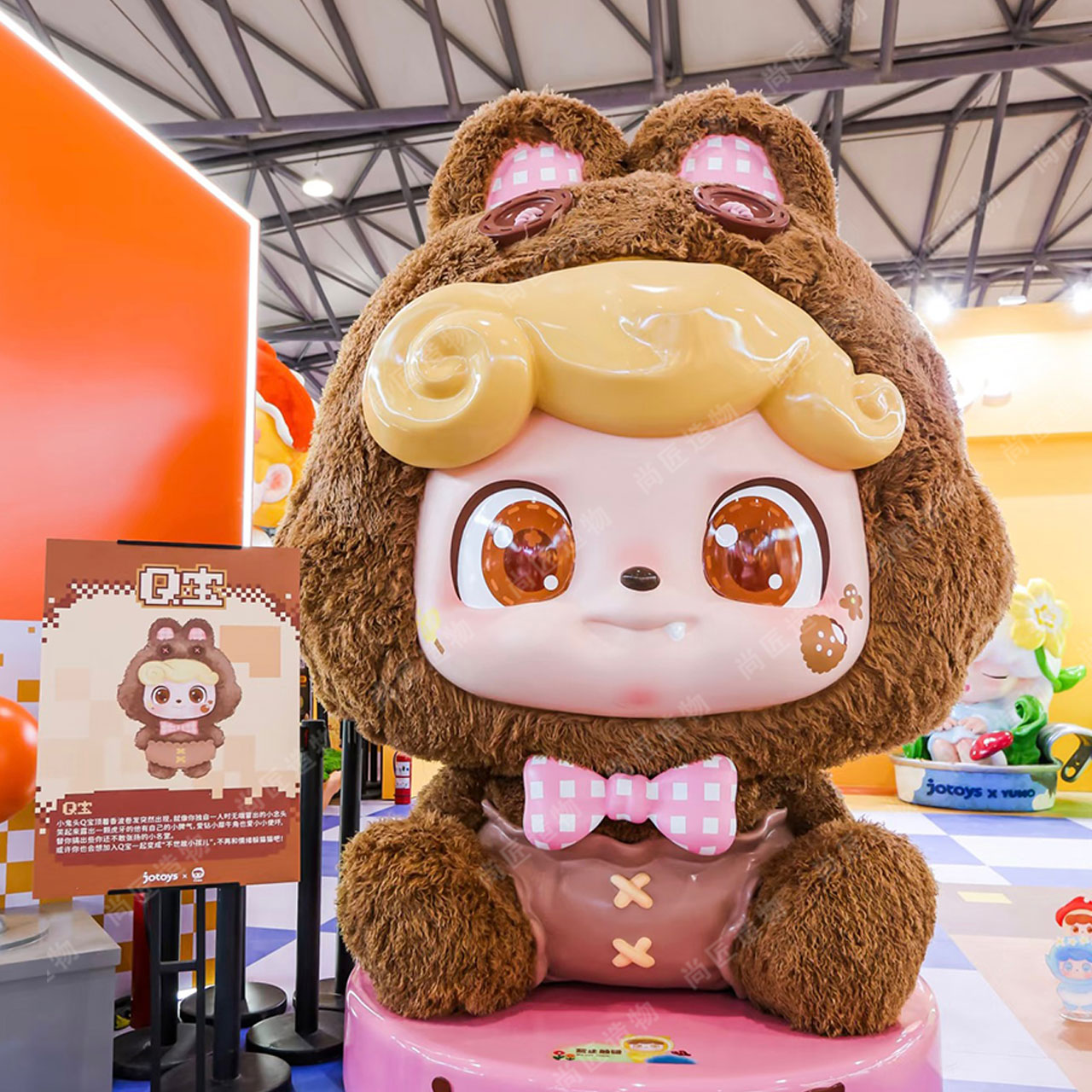
Licensed character statues serve as a vital link between popular culture and community identity. These figures, often found in public spaces, invite interaction and engagement, encouraging individuals to connect with both the art and one another. By incorporating familiar characters from films, games, and literature, these installations resonate with diverse audiences. They offer an opportunity for self-expression through art that reflects societal values and shared experiences. Moreover, as these statues blend artistry with commerce, they challenge traditional boundaries of public art. This evolving landscape fosters discussions about cultural significance and the role of nostalgia in shaping community spaces. The strategic placement of these characters often enhances urban aesthetics while reinforcing a sense of belonging among residents. By doing so, licensed character statues not only beautify environments but also cultivate a sense of pride within the community.
Transformative Public Art: Merchandise Characters in Urban Landscapes
Licensed character statues have emerged as a dynamic force in reshaping urban environments. These sculptures not only provide visual interest but also serve as cultural touchstones that resonate with diverse communities. By integrating beloved characters from popular culture into public spaces, cities become vibrant canvases where familiarity meets creativity. These installations often spark joy and nostalgia, inviting residents and visitors alike to engage with their surroundings in new ways. Furthermore, licensed character statues promote local interaction by providing gathering spots that encourage social connections. As cities embrace the trend of merchandise-inspired public art, they foster a sense of belonging and shared identity through these iconic figures, transforming ordinary landscapes into extraordinary experiences.

Celebrating Pop Culture: The Emergence of Character-Driven Public Installations
Character-driven public installations have become a vibrant aspect of urban landscapes, reflecting the influence of pop culture on art. These installations often feature licensed characters from films, comics, and video games, transforming public spaces into interactive arenas for community engagement. By incorporating familiar figures, artists create artworks that spark nostalgia and encourage participation from diverse audiences. As people interact with these installations, they foster a sense of connection and pride in their surroundings. This movement not only beautifies spaces but also bridges gaps between various cultural narratives, making art accessible and enjoyable for everyone. Through these dynamic expressions of creativity, cities celebrate their unique identities while inviting reflection on broader themes of community and inclusion.
Community Engagement through Licensed Character Artistry
Licensed character statues offer more than just aesthetic appeal; they serve as a bridge connecting communities and fostering engagement. By featuring beloved figures from popular culture, these statues attract diverse audiences, prompting conversations and shared experiences among individuals of all ages. Local events often thrive around these installations, with community members gathering for celebrations or casual meet-ups. Moreover, character artistry plays a significant role in cultural expression, as it reflects community values and collective memory through the iconic figures chosen for display. This connection encourages residents to take pride in their surroundings and promotes a sense of ownership over public spaces. As such, licensed character statues exemplify how art can inspire dialogue and cultivate community spirit, while simultaneously enhancing urban landscapes with whimsical charm. For instance, installing a Stainless steel sculpturecan serve as a focal point for local gatherings or celebrations, reinforcing the relationship between art and community interaction.
From Merchandising to Masterpieces: The Evolution of Public Art
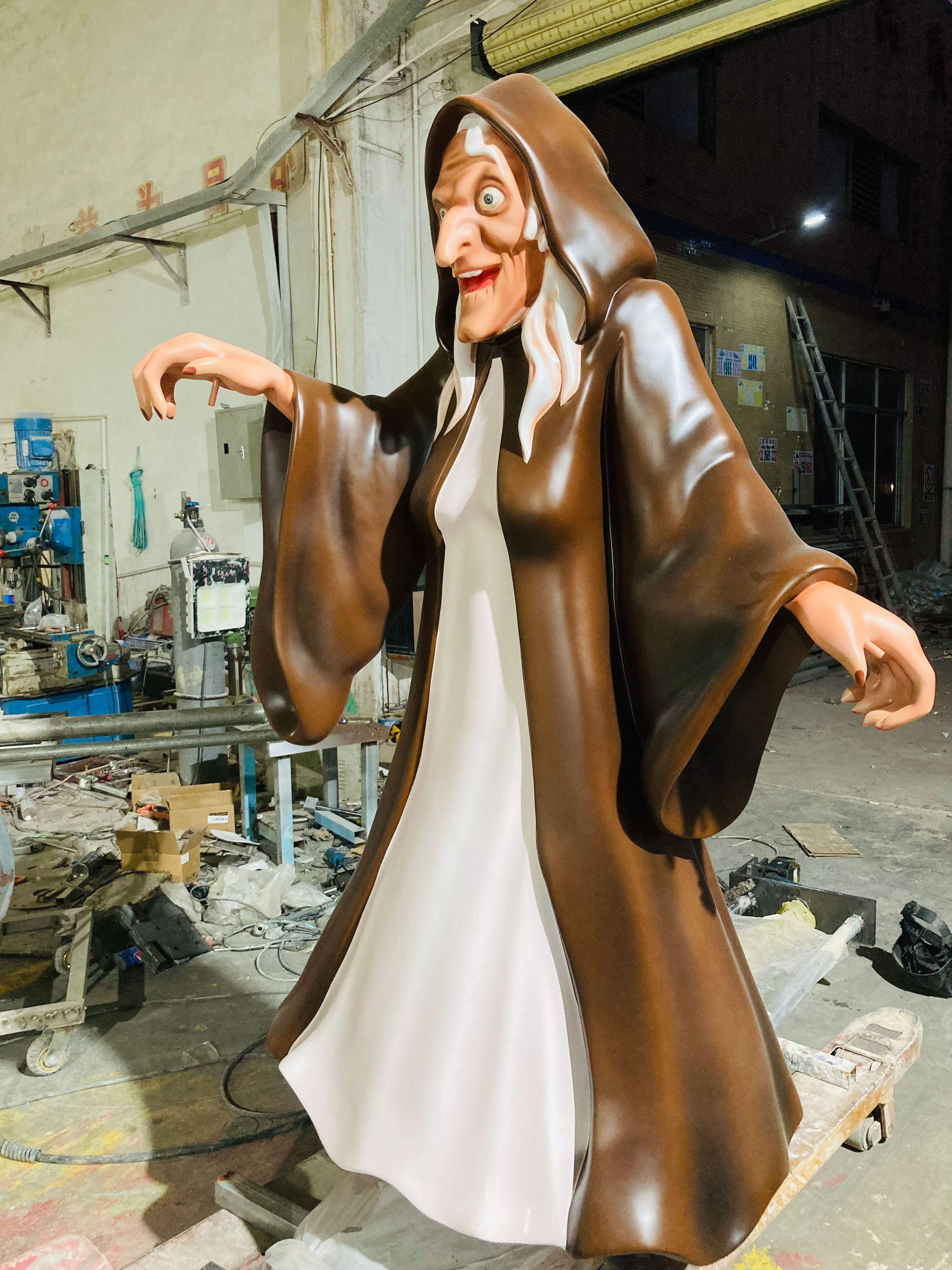
The rise of licensed character statues signals a notable shift in public art. These statues, often inspired by beloved pop culture icons, bridge the gap between commercial merchandise and artistic expression. Cities are increasingly embracing these installations as part of their cultural landscapes. Not only do they enhance aesthetic appeal, but they also foster a sense of community pride and engagement. Local artists are often involved in creating these figures, ensuring that the art resonates with the public's identity and experiences. This collaboration brings diverse voices into the conversation around public art while making urban spaces more inviting. The transformation from mere merchandising to artistic masterpieces reflects a broader trend where art is no longer confined to galleries but instead spills out into everyday life, celebrating both creativity and community narratives. For those interested in exploring more about how these creations are brought to life, check out this Realistic sculpture.
Cultural Expression Redefined: Exploring the Significance of Merchandise Art
Merchandise-inspired public art, particularly through licensed character statues, serves as a unique bridge between commercial culture and artistic expression. These statues are not just mere replicas; they engage communities by embodying shared memories and cultural icons. When placed in public spaces, they encourage conversations and connections among diverse groups of people. This art form democratizes creativity, making it accessible and relatable. Furthermore, licensed character statues often reflect local narratives, allowing communities to see themselves represented in the artwork surrounding them. By intertwining commerce with artistic intent, these installations contribute to a vibrant urban landscape where culture thrives and evolves.
Conclusion
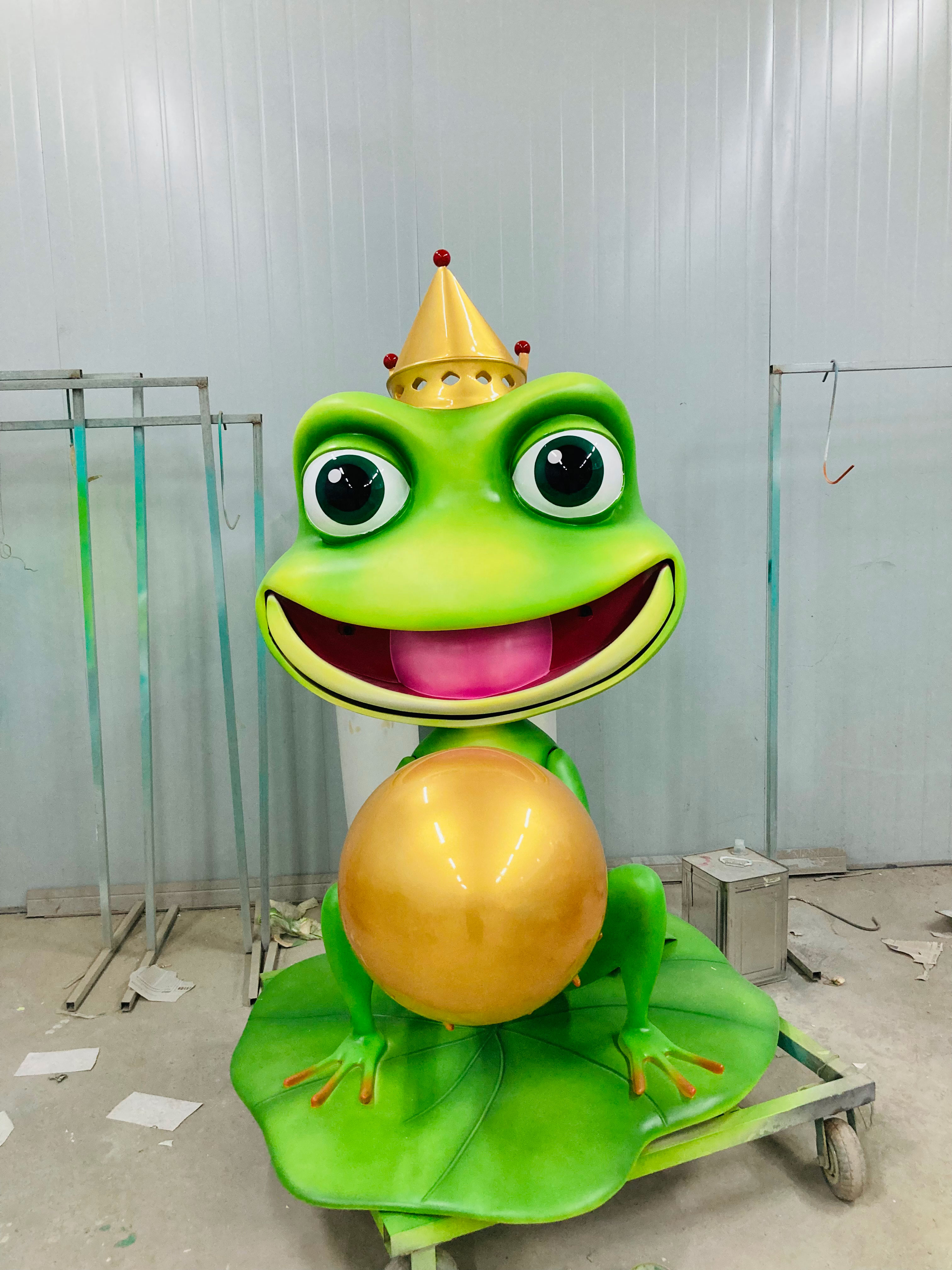
Licensed character statues mark a revolutionary moment in public art, showcasing how merchandise-inspired creations can redefine community spaces. Their presence ignites conversations and fosters a sense of belonging among residents, enabling people to connect through shared cultural references. As these statues spark nostalgia and joy, they transform the urban landscape into a lively tapestry of interaction and creativity. Furthermore, their integration into public art initiatives illustrates how commercial influences can harmonize with artistic expression. This evolution not only enhances the aesthetic value of urban environments but also encourages local pride, making these installations crucial components of contemporary civic life. By bridging gaps between art, culture, and commerce, licensed character statues play an essential role in shaping the identity of cities and the experiences of their inhabitants.
FAQs
What are licensed character statues in public art?
Licensed character statues are public art installations featuring iconic figures from popular culture, designed to enhance urban aesthetics and foster community engagement.
How do these statues impact community spaces?
These statues transform ordinary public spaces into vibrant areas that encourage social interaction and create a sense of belonging among residents.
What role does nostalgia play in licensed character art?
Nostalgia connected to beloved characters sparks joy and familiarity, prompting conversations and shared experiences among diverse community members.
How are local artists involved in this form of public art?
Local artists often collaborate in creating these installations, ensuring that the artwork resonates with the community's identity and cultural narratives.
Why is merchandise-inspired public art important for urban landscapes?
Merchandise-inspired public art, like licensed character statues, enhances the aesthetic value of cities while promoting cultural expression and collective memory within neighborhoods.