ch
ch English

The exploration of moving sculpture art reveals a convergence of creativity and technology that significantly transforms artistic expression. Artists are increasingly utilizing advanced materials like fiberglass reinforced plastic (FRP), which allows for innovative designs that are both lightweight and durable. This development enhances the sculptures' ability to convey motion, creating a more dynamic experience for viewers. Moreover, the integration of mechanical components and smart technology fosters interactivity, encouraging audience engagement and participation. As kinetic art continues to evolve, it challenges traditional notions of sculpture, positioning movement as a crucial element in its narrative. The shift toward interactive and responsive art not only captivates audiences but also revitalizes the relationship between viewer and artwork, inviting deeper connections and experiences.
Innovative Techniques in Moving Sculpture Art
The realm of moving sculpture art is continually evolving, with innovative techniques shaping the landscape of kinetic creativity. One notable advancement is the use of advanced composites like fiberglass in the construction of these pieces. These materials allow for greater flexibility in design while being lightweight and durable, which enhances the range of motion and interaction within the artwork.
Additionally, artists are exploring mechanical and electronic components that add complexity to movements. Incorporating sensors and motors enables sculptures to respond to their environment or viewer interactions, creating a dynamic experience. A recent trend involves integrating smart technology that allows for programmable movements, which refines aesthetic appeal and engages audiences on a deeper level.
By merging artistry with engineering, contemporary artists are expanding the aesthetic potential of kinetic sculpture art. This fusion not only captivates viewers but also challenges traditional boundaries within the art world. Such developments underscore a significant shift toward interactivity in artistic expression, allowing audiences to experience art not just through observation but participation.
| Technique | Description |
|---|---|
| Advanced Composites | Use of lightweight materials for enhanced design |
| Mechanical Systems | Integration of motors creating dynamic movement |
| Smart Technology | Programmable movements responding to audience |
For further insights into contemporary materials used in sculpture art, check this Fiberglass sculpture.

The Fusion of Kinetic Design and Artistry in FRP Sculptures
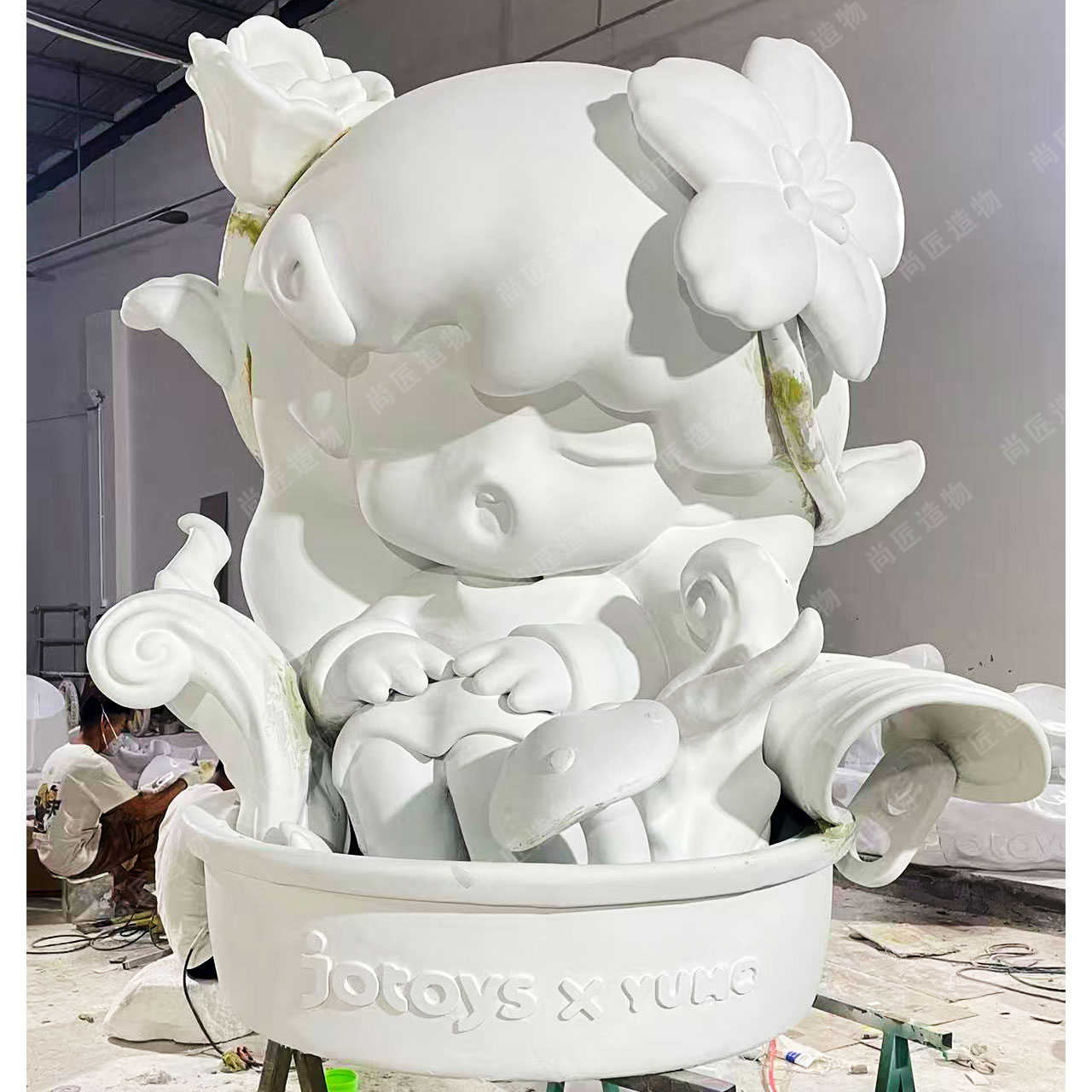
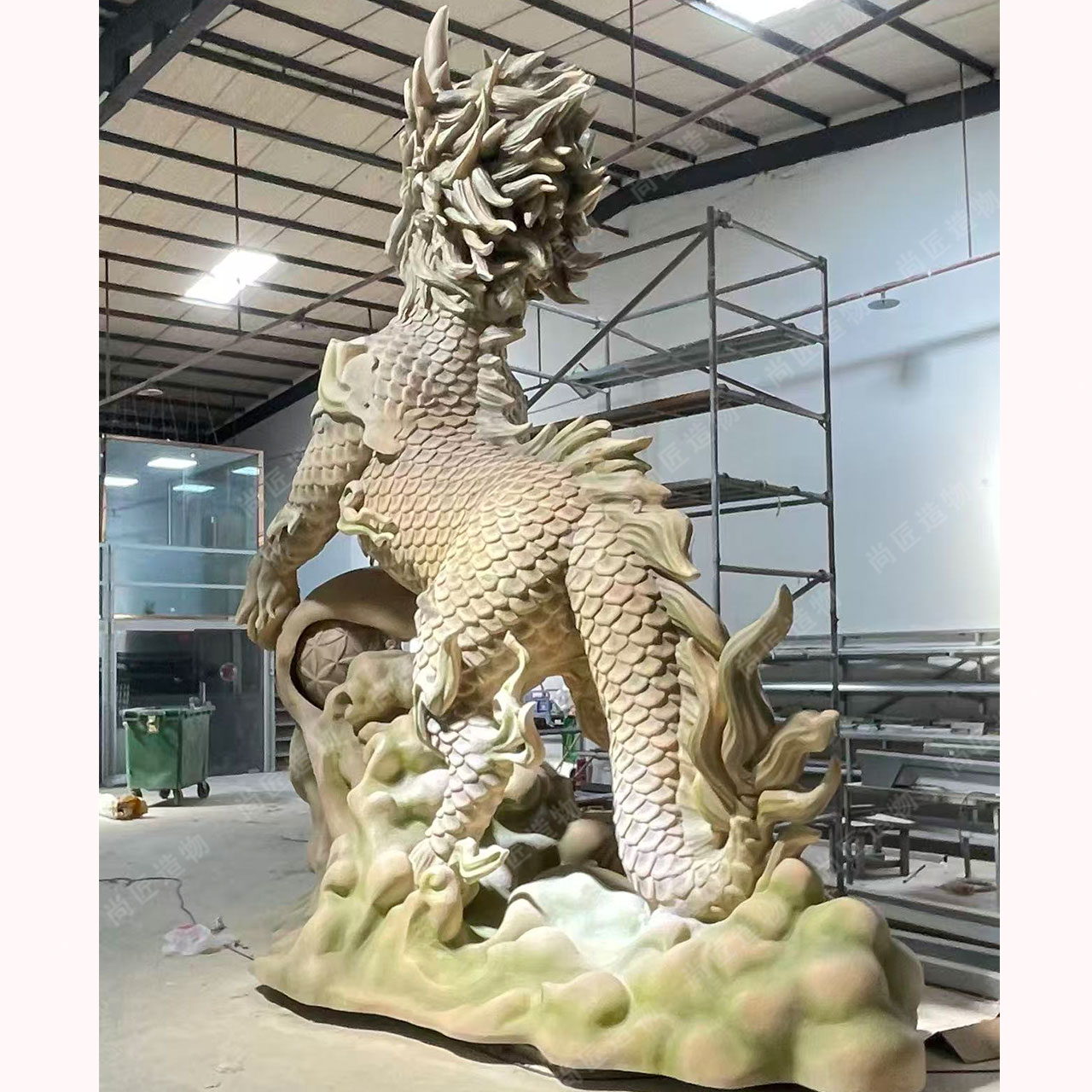
FRP (Fiberglass Reinforced Plastic) sculptures exemplify the perfect blend of kinetic design and artistry. This innovative material allows artists to create dynamic pieces that not only catch the eye but also engage viewers through movement. By incorporating mechanical elements, artists can create sculptures that dance with the breeze or respond to environmental changes. As Ken Roberts, a leading figure in kinetic art, once stated, “Art isn't just to be seen; it’s meant to be experienced.” These moving sculptures push boundaries, encouraging viewers to interact with the art on multiple sensory levels.
Moreover, the lightweight nature of FRP makes it easier for artists to experiment with various forms and motions, allowing for more complex designs without compromising structural integrity. Each piece often tells a story, encapsulating motion that reflects emotion and intent.
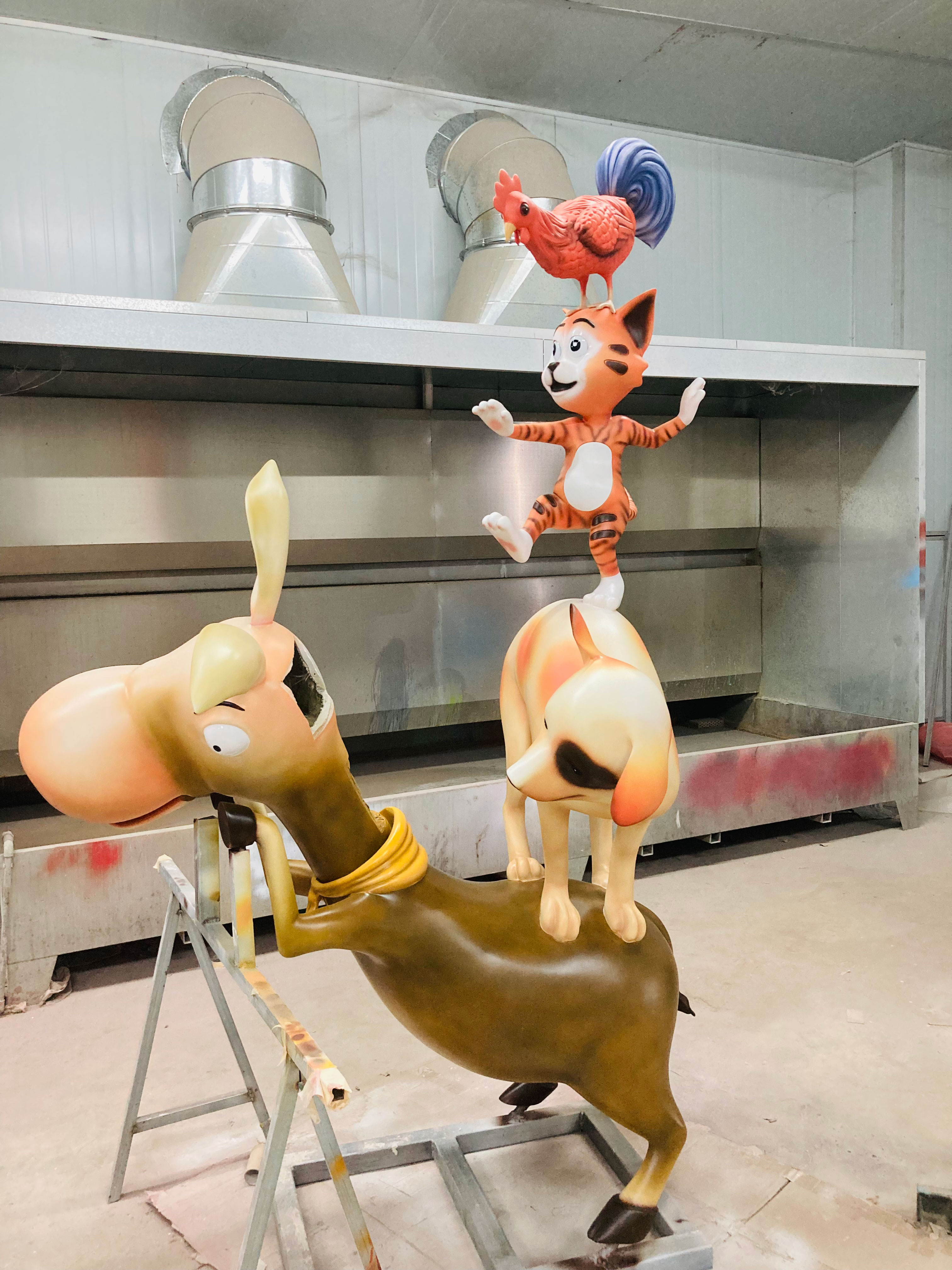
"To elevate your own projects, consider how movement can enhance narrative in your designs." As we explore this field further, the versatility and charm of FRP sculptures invite both artists and audiences into a new era of creative expression that celebrates life through motion. For those looking for inspiration in this genre, check out Cartoon sculptureas an example of playful yet profound kinetic artistry.
Exploring the Aesthetic Potential of Kinetic Sculpture Art
Kinetic sculpture art captivates audiences by blending movement with artistic expression. This field harnesses various materials and mechanisms to create dynamic works that invite interaction and engagement. Artists explore the aesthetic potential of motion, using techniques such as balance, propulsion, and gravity to challenge traditional perceptions of static art. The incorporation of motion not only enhances visual appeal but also transforms how viewers experience the sculpture. Each piece can vary in movement, from gentle sways to rapid spins, offering a fresh narrative with every encounter. This interplay between art and activity encourages viewers to reevaluate their understanding of space and form, ultimately enriching their emotional response and appreciation for the pieces on display. As such, kinetic sculptures serve as a testament to the evolving landscape of artistic innovation, merging creativity with technology seamlessly.
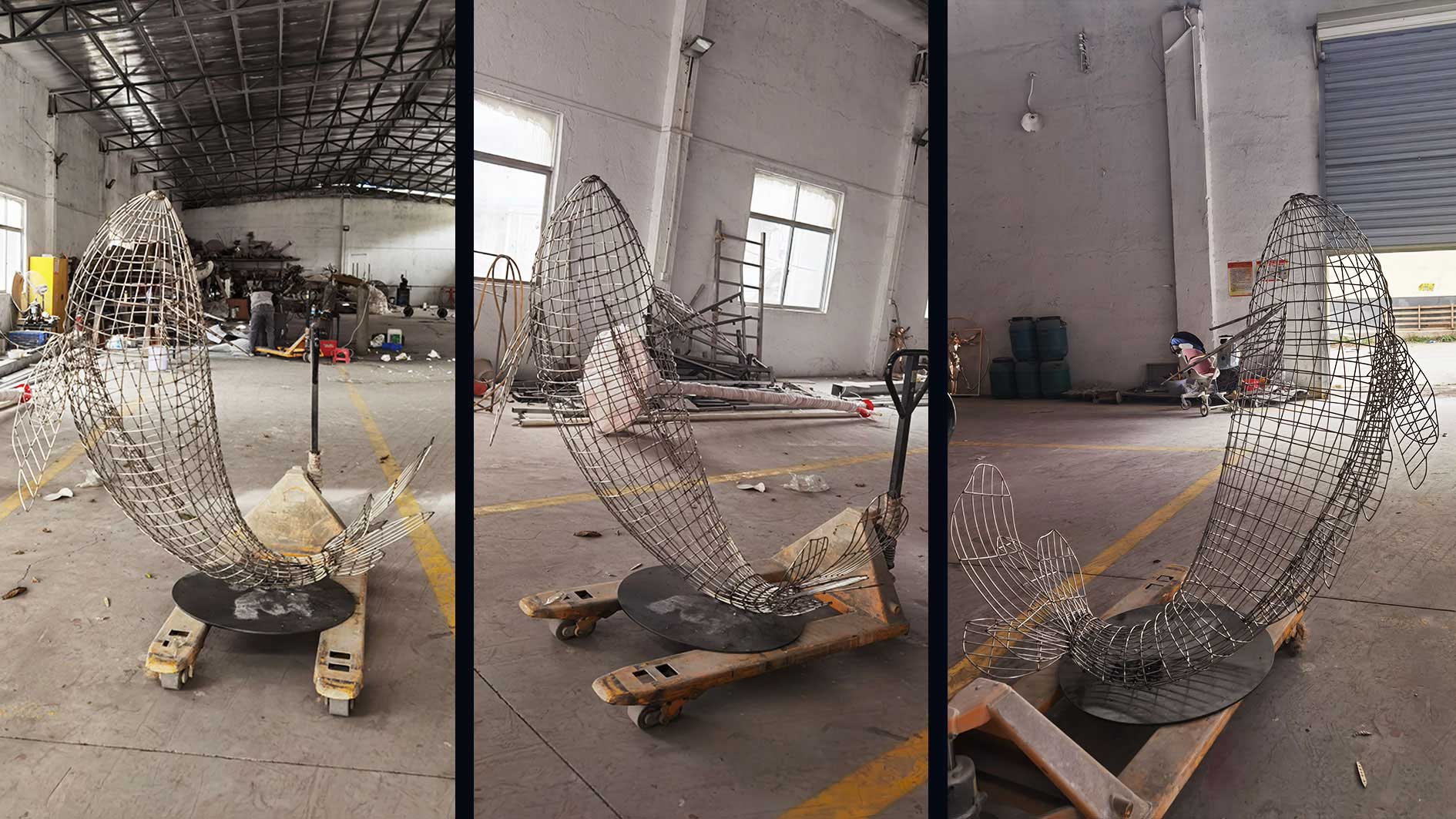
Transforming Movement: Advancements in FRP Sculpture Materials
The evolution of moving sculpture art has significantly benefited from advancements in Fiber Reinforced Plastic (https://en.artmovr.com/).
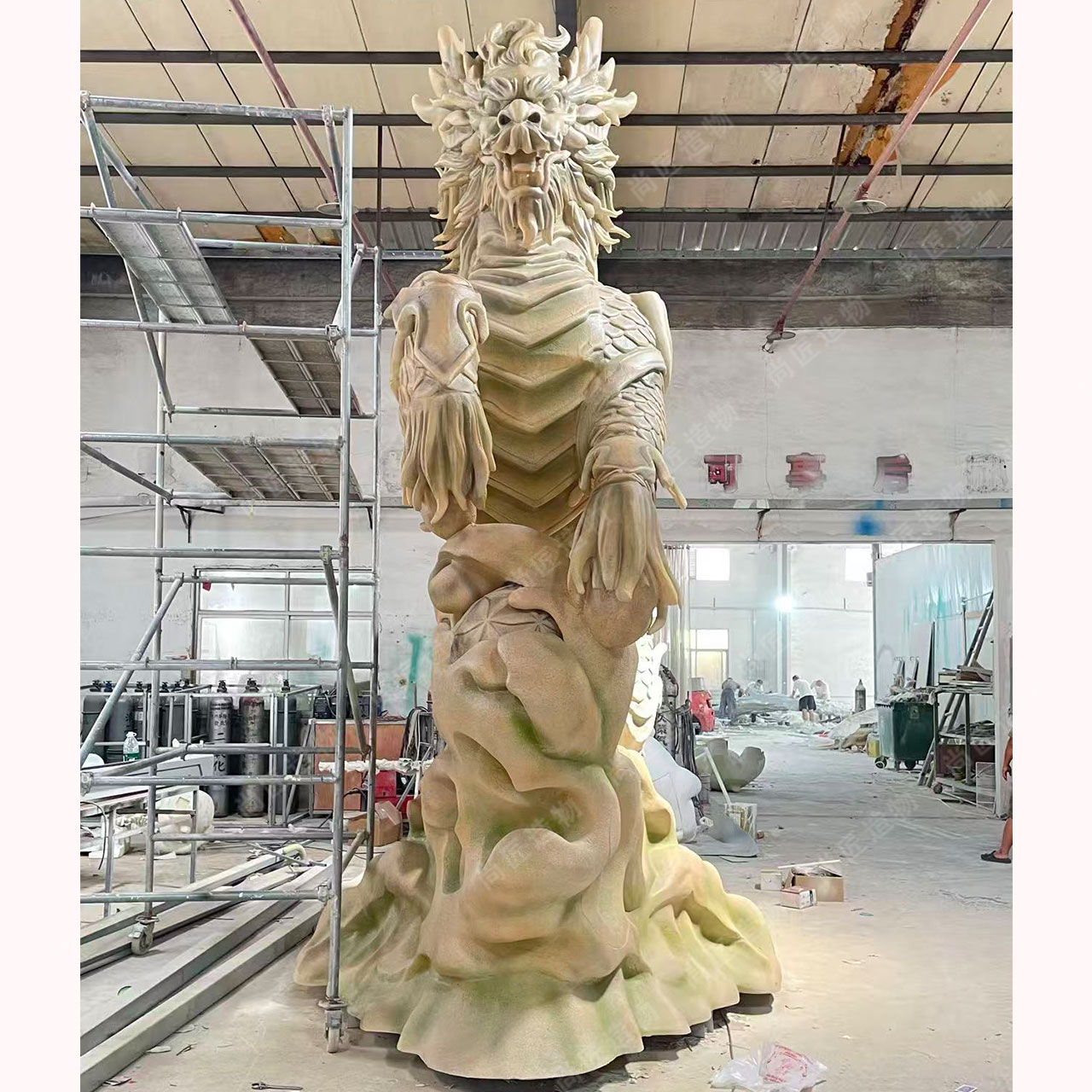
Art in Motion: The Evolution of Moving Sculptures
Moving sculptures have captivated audiences for centuries, showcasing the dynamic relationship between art and engineering. These pieces often incorporate elements of mechanics, physics, and creativity, allowing them to spring to life with motion. The evolution of moving sculptures can be traced back to ancient civilizations, where simple mechanical devices were used to create movement for religious and ceremonial purposes. In contemporary art, the advent of new materials like Fiberglass Reinforced Polymer (FRP) has revolutionized the field, allowing artists to construct larger and more intricate designs that exhibit fluid motion. This new material not only enhances durability but also offers flexibility in form and design. As artists experiment with various mechanisms—from wind and water power to motorized components—their works push the boundaries of what constitutes sculpture, transforming static objects into engaging kinetic experiences that invite interaction and introspection from viewers.

Captivating Dynamics: The Craft of FRP Moving Art
FRP moving sculptures showcase an exciting blend of craftsmanship and engineering. These artworks utilize fiberglass reinforced plastic (https://en.artmovr.com/) is another exciting area within kinetic art that emphasizes strength and longevity while offering unique aesthetic qualities.
Elevating Kinetic Creativity: Features of Advanced Sculpture Designs
Advanced sculpture designs push the boundaries of kinetic art, enhancing the viewer's experience through innovative features. These designs often employ the principles of balance and movement to create captivating displays. Many modern artists utilize lightweight materials such as fiberglass reinforced plastic (FRP), allowing for intricate shapes without compromising stability. Motion sensors and motors are frequently integrated, enabling sculptures to respond dynamically to their environment. This interactivity increases engagement, drawing spectators closer to the artwork. Additionally, color and light play significant roles in these sculptures, which can shift depending on the angle of view or time of day. Such thoughtful design choices not only elevate the aesthetic quality but also invite deeper reflection on the interplay between art and movement.
The Future of Moving Sculpture: From Concept to Creation
As we look ahead, the realm of moving sculpture art is poised for remarkable advancements. Designers and artists continue to push boundaries, exploring new concepts that blend artistry with technology. Innovative materials, like fiberglass-reinforced plastics (FRP), play a critical role in this transformation. They offer strength and flexibility, allowing for intricate and dynamic designs that were once thought impossible. Moreover, advances in automation and digital programming enhance the interactive experience of these sculptures, inviting audiences to engage with art in real-time. The synergy between creativity and engineering is evident as artists experiment with mechanisms that enable smooth and captivating movements. This blend not only revolutionizes how sculptures are displayed but also redefines viewer interaction, making each piece not just an object but a participant in its environment. As these trends evolve, the future of moving sculptures promises an exciting journey from concept to tangible creation, continuously inspiring both creators and audiences alike.
Conclusion
The future of moving sculpture art is undoubtedly bright, as innovation continues to drive new possibilities in design and interaction. As artists leverage advancements in materials such as fiberglass reinforced plastic (FRP), they can create more expressive and intricate forms that embody motion. This shift towards integrating mechanical systems and smart technology enhances the immersive experience for viewers, inviting them to engage with sculptures actively. The ongoing exploration of kinetic artistry underscores the significance of movement in storytelling through visual art. As audiences witness this evolution, they are encouraged to reconsider the relationship between art and experience, highlighting how dynamic elements can transform our understanding of creativity in sculpture. Ultimately, moving sculptures are not just static representations; they are evolving entities that reflect the interplay of innovation, artistry, and viewer engagement.
FAQs
What are the key materials used in moving sculpture art?
Moving sculptures often utilize advanced materials like fiberglass reinforced plastic (FRP) for their lightweight and durable properties.
How do artists incorporate motion in their sculptures?
Artists combine mechanical elements, sensors, and motors to create interactive pieces that respond to environmental shifts or viewer interaction.
What role does technology play in contemporary kinetic art?
Technology allows for programmable movements and smart sensors, enhancing the dynamic experience and engagement with the audience.
How do moving sculptures enhance viewer interaction?
These sculptures invite participation by offering a sensory experience, making art not just for observation but also for interaction.
Can you give examples of famous kinetic artists?
Notable figures include Ken Roberts and Jesús Rafael Soto, who are celebrated for their innovative approaches to movement within their works.