ch
ch English
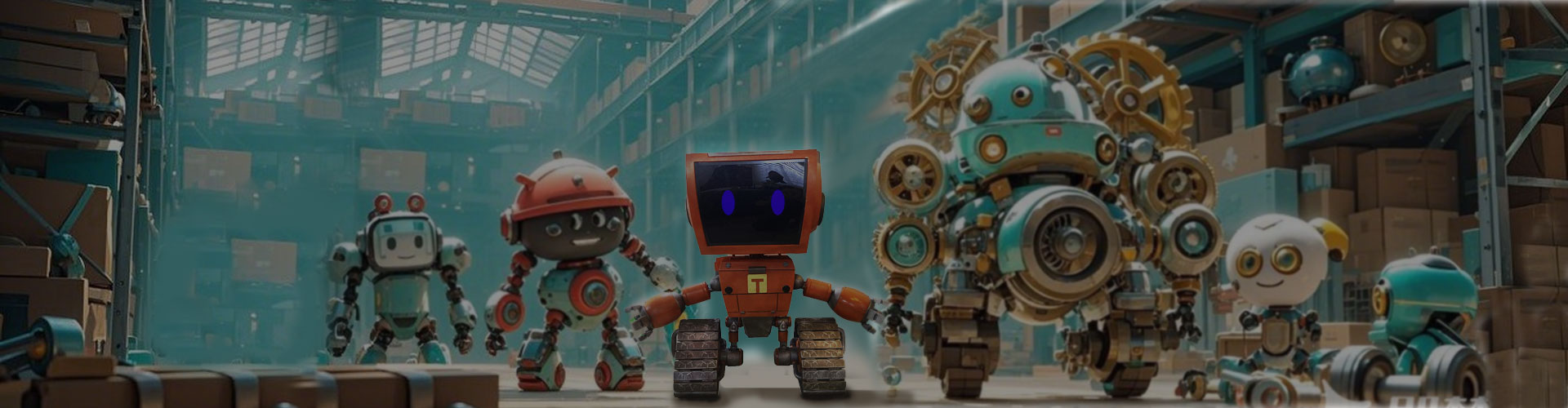
Kinetic metal art is an inviting area where movement and creativity can thrive together. Incorporating motors into sculptures enhances interaction, capturing the audience's attention with dynamic motion. Through simple materials like metal scraps and easy-to-use motors, anyone can start creating their own kinetic designs. It's important to focus on balance and mechanics to ensure pieces move smoothly. Experimentation with various techniques, such as using gears or levers for movement, can lead to unique artistic expressions. Engaging with this art form not only fosters creativity but also encourages exploration and innovation, making it accessible for artists of all skill levels.
Understanding Kinetic Metal Art: The Fusion of Movement and Creativity
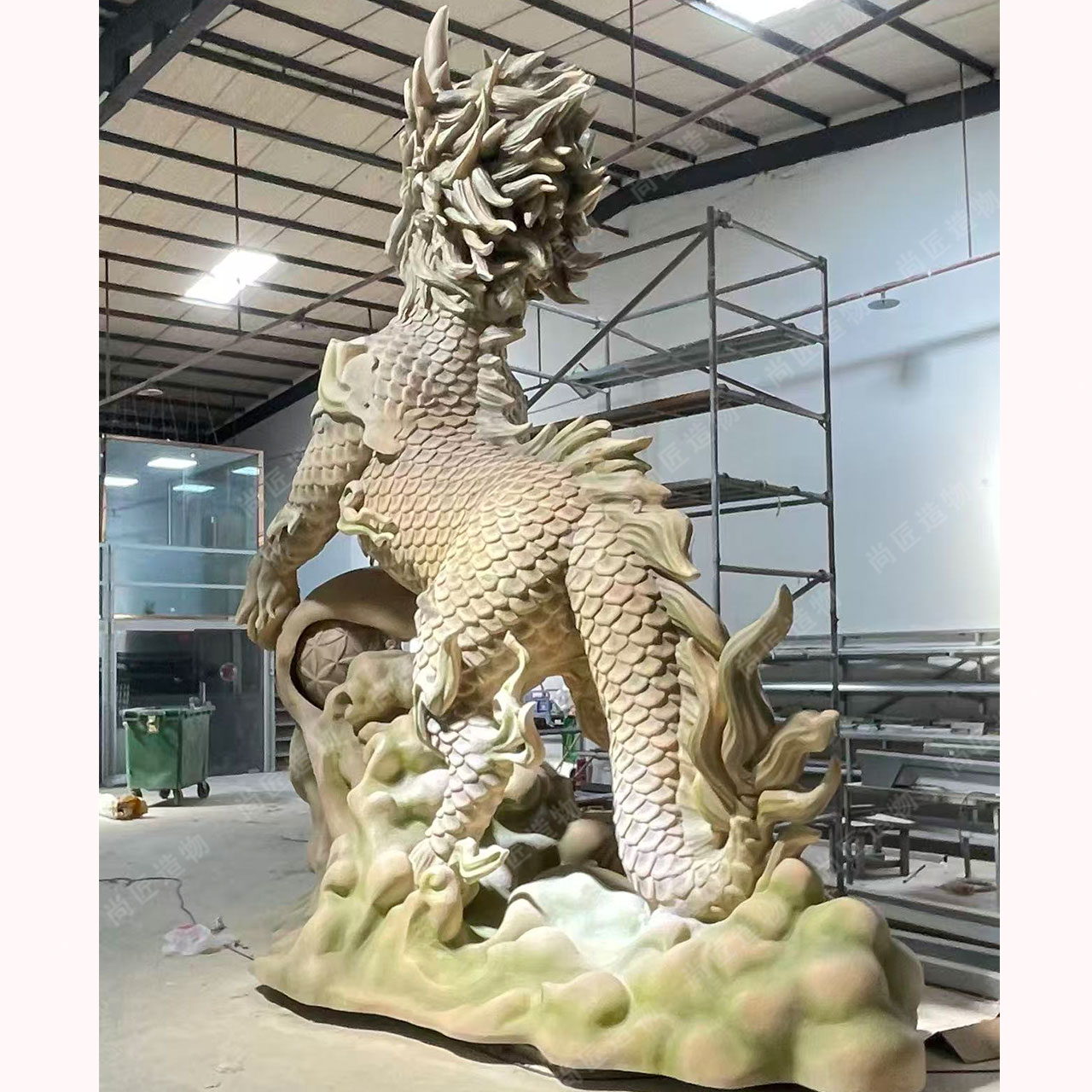
Kinetic metal art brings together the beauty of physical movement with artistic expression. This genre of art uses various materials, primarily metal, to create pieces that not only capture attention but also engage viewers through motion. The integration of motors into these sculptures enables a unique dynamic; they can sway, rotate, or oscillate, transforming static designs into interactive experiences. Artists often draw inspiration from nature or everyday objects, reimagining them in kinetic forms that resonate with audiences. By utilizing accessible tools and materials, individuals can experiment with their designs, fostering creativity and innovation in the process. For those looking to dive deeper into this fascinating realm of art, exploring projects around Kinetic sculptureoffers a pathway to understanding both the technical and artistic challenges involved in creating moving artworks.
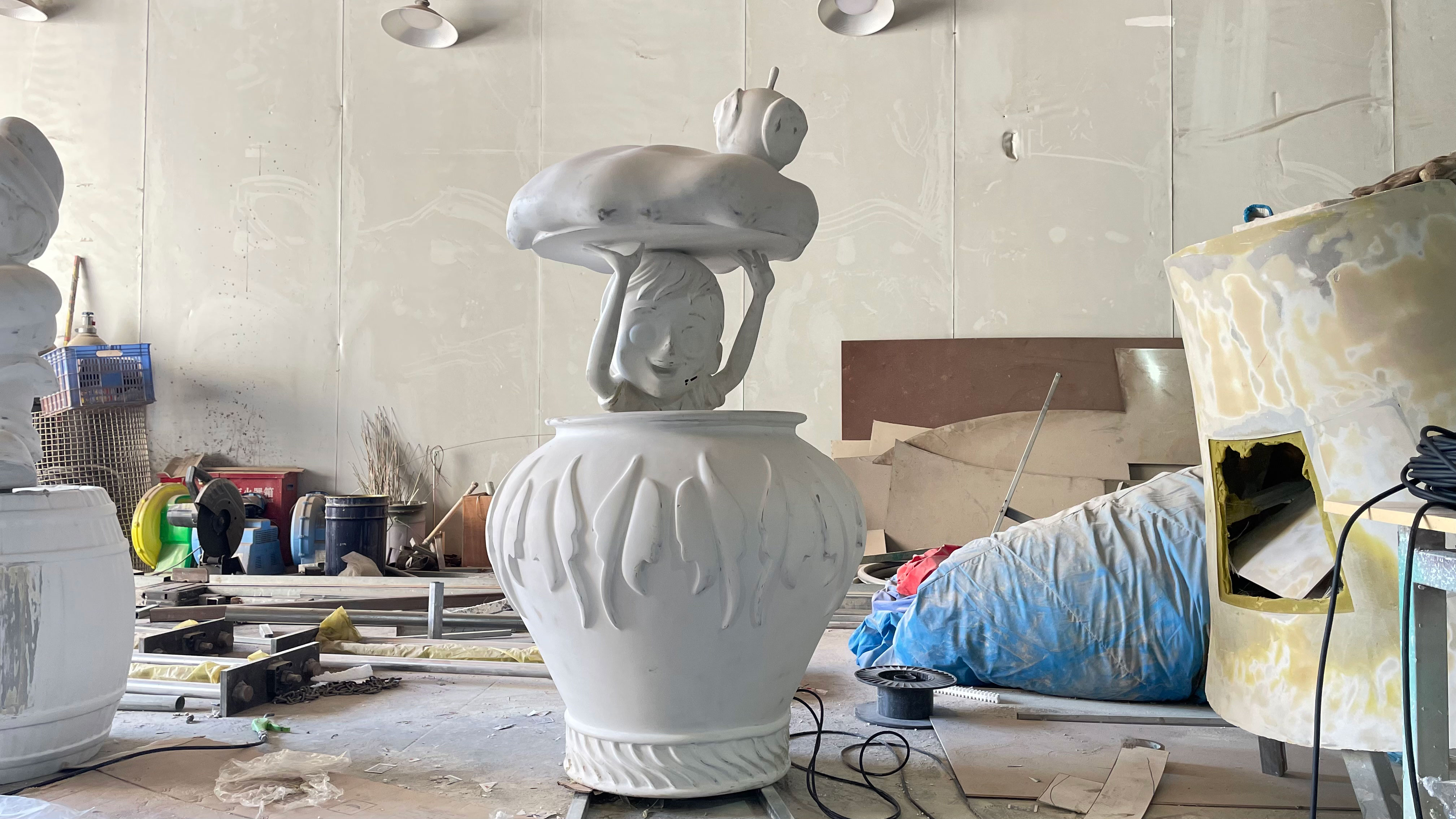
Designing Cartoon Sculptures: Innovative Approaches to Kinetic Art
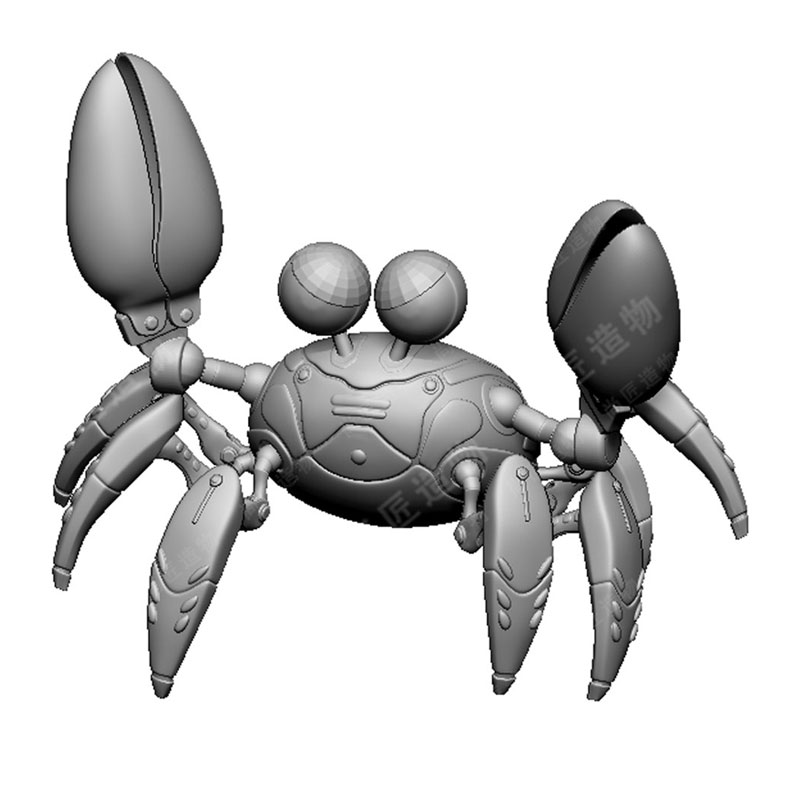
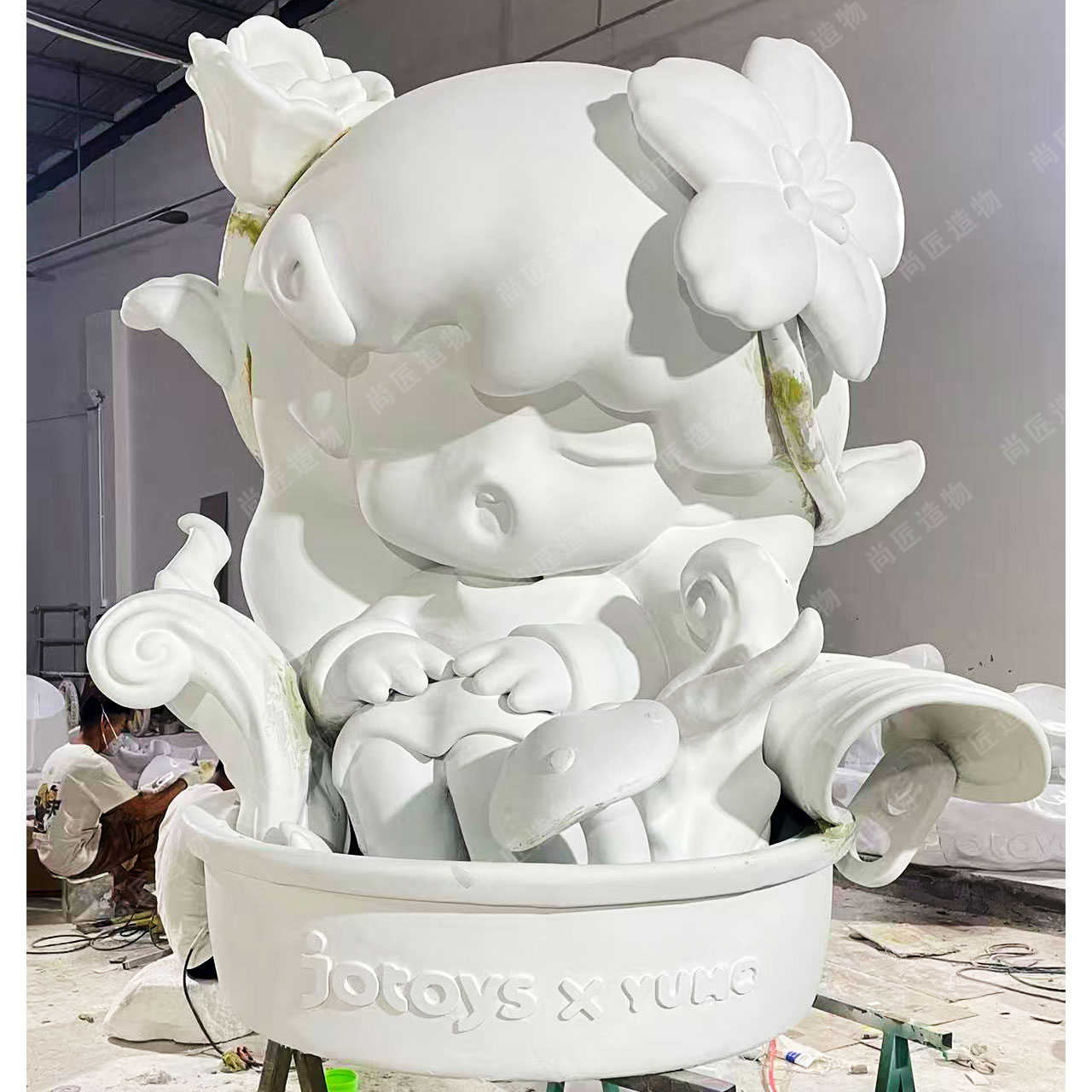
Kinetic art brings together movement and creativity, offering unique ways to engage viewers. When designing cartoon sculptures, consider utilizing lightweight materials such as aluminum or even plastic. These allow for easier manipulation and assembly while still creating dynamic pieces. Employing motors is essential; they can introduce motion in a playful manner.
"Using simple mechanics can make a significant difference in how your sculpture functions and captivates." Explore designs that incorporate hinges and levers as mechanisms for movement. It’s crucial to maintain balance in your sculpture, ensuring that moving parts work harmoniously. A well-balanced piece not only operates smoothly but also enhances the visual appeal. By thinking about different ways movement can be incorporated, such as rotational or swinging actions, you can inspire a sense of wonder in your audience.
To further enhance your project, consider referencing resources that delve into techniques like Realistic sculpturecreation for additional insights on bringing life to your kinetic sculpture designs.

Using Motors in Sculptural Designs: An Accessible Guide
Integrating motors into sculptural designs can elevate the artistic experience, making art more dynamic and engaging. Stepper motors and DC motors are popular choices due to their affordability and ease of use. With a basic understanding of electronics, hobbyists can create movement in their works. For instance, a simple circuit with an Arduino can control these motors, allowing for precise movements tailored to the artwork's needs.
The next step is understanding how these motors operate within the sculpture. Designers often utilize gears and pulleys to transmit motion effectively, simplifying the implementation of complex movements. The table below outlines some common motor types and their applications in kinetic metal art:
| Motor Type | Characteristics | Common Uses |
|---|---|---|
| Stepper Motor | Precise control, holds position | Rotating elements |
| DC Motor | Continuous rotation | Spinning parts |
| Servo Motor | Position control, fast response | Interactive features |
By choosing the right motor and understanding its functionality, artists can enhance their sculptures' visual storytelling through motion. Incorporating these elements not only broadens creative possibilities but also invites audience interaction, making kinetic metal art a fascinating field for exploration and creativity.
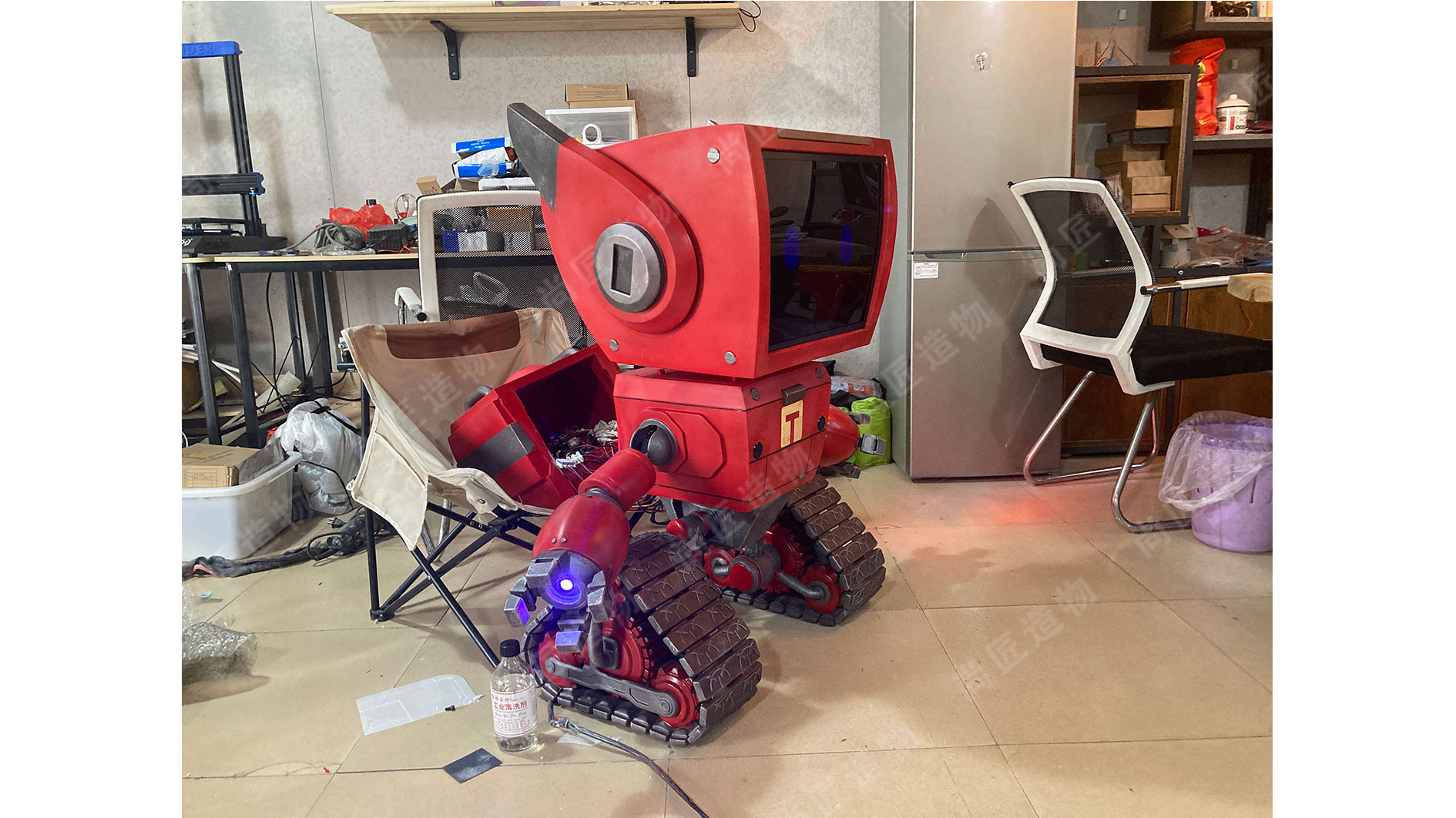
Crafting Engaging Kinetic Sculpture Projects for Everyone
Kinetic sculptures offer a unique blend of art and engineering that anyone can explore. Start by gathering simple materials like metal scraps, wood, or even recycled items. Use affordable motors, which can easily be controlled with basic electronics. Begin with an idea—think about how movement can enhance your design. Sketch out your concept to visualize how the parts will interact. Next, fabricate your pieces by cutting and assembling them carefully. Experiment with the motor placement to achieve the desired motion, like spinning or swaying. Don't hesitate to learn from online tutorials or communities, as they provide valuable insights and tips for overcoming common challenges. With patience and creativity, you can create eye-catching kinetic sculptures that truly engage viewers while reflecting your unique artistic style.
Incorporating Movement in Art: The Beauty of Kinetic Metal Creations
Kinetic metal art brings a unique vibrancy to the world of sculpture. By integrating motors, artists can create dynamic pieces that shift and rotate, captivating viewers with their movement. This type of art not only engages the audience visually but also adds an interactive dimension to traditional sculpture. Using affordable and readily available components, artists can experiment with various designs and mechanisms. For instance, incorporating stepper motors allows for precise control over movement, enabling intricate patterns and sequences. As artists continue to push boundaries in this field, the creativity behind kinetic metal pieces evolves, inviting everyone to explore this fascinating blend of technology and artistry.
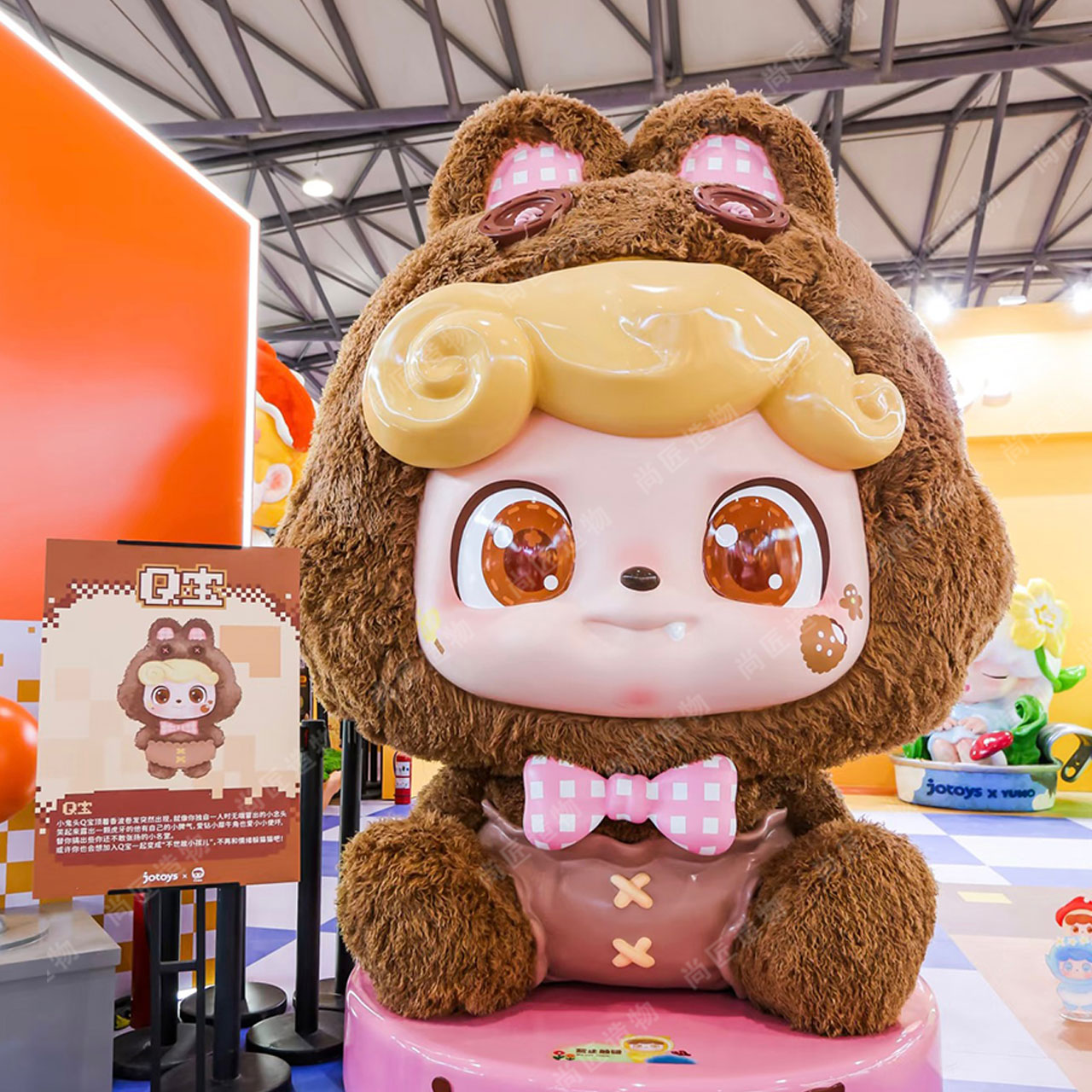
From Concept to Creation: Building Your Kinetic Sculpture with Motors
Creating a kinetic sculpture requires thoughtful planning and accessible materials. Start by sketching your design to visualize how movement will play a role in your piece. Choose lightweight materials, like cardboard or foam, which can help make the sculpture easier to manipulate. Next, consider the motors you'll use; stepper motors or DC motors are popular choices due to their affordability and ease of control with microcontrollers like Arduino. Once you have your components gathered, focus on assembling the main structure and ensure that the motor can effectively drive the moving parts. For inspiration, explore resources on Cartoon sculpturetechniques that focus on integrating motion into whimsical designs. Test how different speeds and movements impact your sculpture’s visual appeal. This experimentation is key to refining your creation and bringing it to life.
Exploring DIY Methods for Kinetic Metal Art with Motors
Creating kinetic metal art can be an exciting and fulfilling project for anyone interested in combining creativity with basic engineering. To start, consider gathering simple materials like metal scraps, old toys, or recycled items that can be transformed into sculptures. For the moving parts, small electric motors, such as those found in toy cars or simple appliances, can be effective. These motors are not only budget-friendly but also easy to control, especially when paired with microcontrollers like Arduino.
When setting up the mechanics of your sculpture, focus on how the components will interact. Think about balance and the dynamics of movement; even a slight adjustment can create eye-catching effects. Attachment techniques like using screws or adhesive can help finalize your design. Additionally, experimenting with motors that vary in speed and torque may yield diverse motion styles for your art pieces. As you work through these DIY methods, embrace trial and error to discover what resonates best within your artistic vision.
Transforming Ordinary Materials into Fascinating Kinetic Sculptures
Kinetic sculptures can be crafted from everyday materials, showcasing creativity without the need for expensive resources. Items like cardboard, wood, or even recycled plastics can serve as the foundation for your artistic vision. By combining these materials with motors, artists can introduce movement that brings sculptures to life. For instance, using lightweight components can enhance the dynamics of your designs while ensuring structural integrity. Simple mechanisms such as cranks and pulleys can effectively transform static pieces into captivating works of art. This approach not only makes kinetic sculpture accessible to everyone but also encourages experimentation and innovation in design. By reimagining what common materials can achieve, artists are empowered to create mesmerizing pieces that both engage viewers and challenge traditional notions of sculpture.
Conclusion
Kinetic metal art represents a thrilling intersection of creativity and technology, where movement enhances the viewer's experience and engagement. By embracing this art form, artists can transform ordinary materials into mesmerizing works that invite interaction and provoke thought. The journey of creating kinetic sculptures is accessible to all, whether through simple DIY projects or more complex designs utilizing motors. As artists experiment with movement and mechanics, they not only expand their skill sets but also challenge traditional notions of artistry. This art form encourages ongoing exploration, inspiring individuals to innovate and find joy in the process of creation.
FAQs
What materials can I use for kinetic metal art?
You can use metal scraps, cardboard, wood, and recycled items. Finding versatile materials allows for creative designs.
How do motors enhance kinetic sculptures?
Motors add movement, making sculptures dynamic and interactive. They allow pieces to sway, spin, or rotate.
Are there affordable motors suitable for beginners?
Yes, stepper motors and DC motors are budget-friendly options that are easy to work with for beginners.
What basic tools do I need to start creating kinetic sculptures?
Essential tools include a drill, screws, and simple hand tools for assembly. Also, a microcontroller like Arduino can help control motor functions.
How can I ensure my sculpture is well-balanced?
Distribute weight evenly across the sculpture and consider the placement of moving parts to prevent tipping or falling over.
Can I find resources or communities for support with my projects?
Absolutely! Online tutorials and maker communities offer insights and tips that can help you overcome challenges in your projects.