ch
ch English

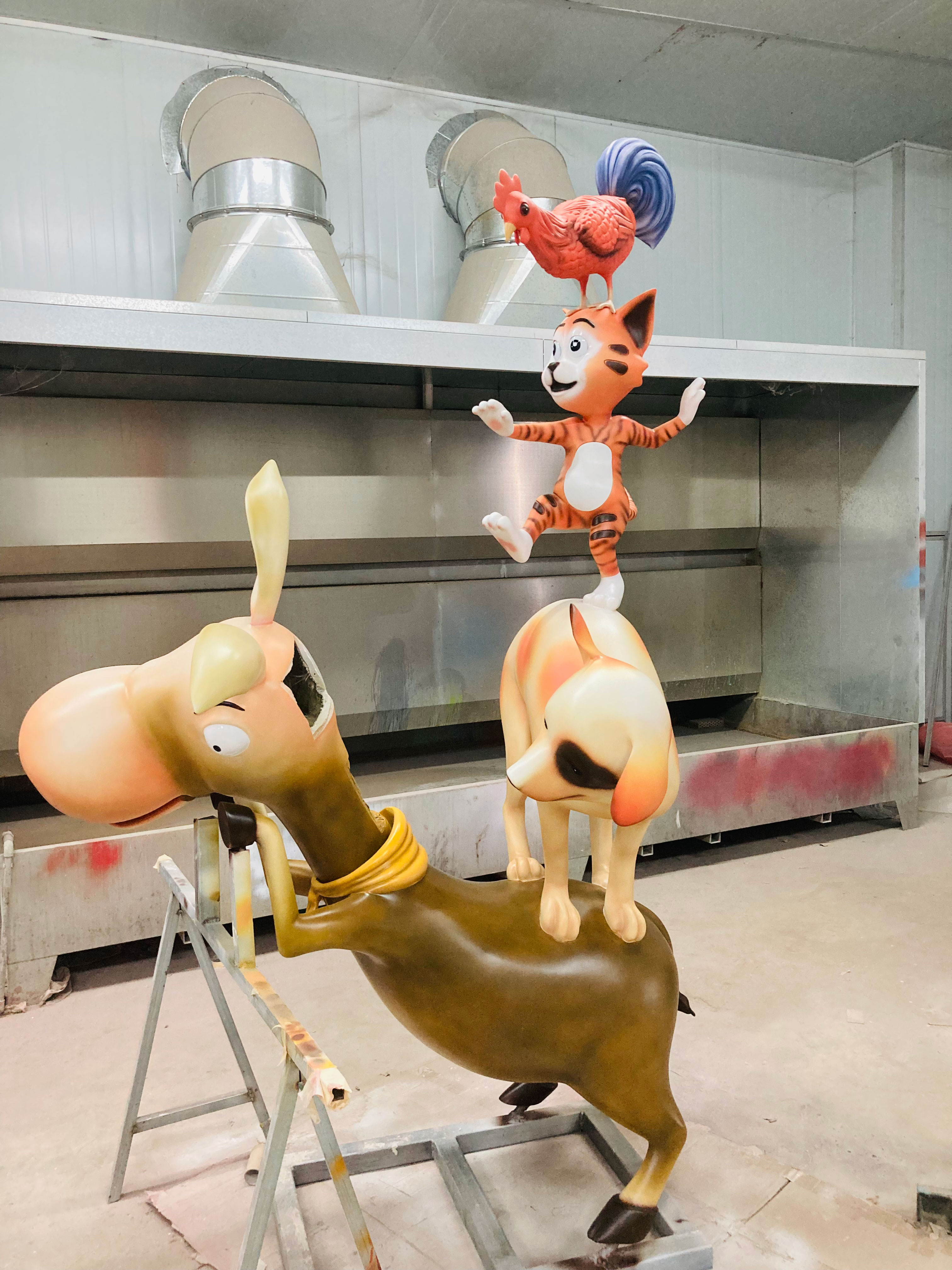
The relocation of fiberglass sculptures is a meticulous process that requires attention to detail and an understanding of the materials involved. Throughout the transportation, using appropriate protective materials ensures that the sculptures are shielded from scratches or physical damage. Trained professionals play a vital role in effectively moving these pieces, as their expertise allows them to handle the unique challenges presented by fiberglass. Additionally, maintaining optimal environmental conditions during transport helps preserve the sculptures' integrity and artistic value. Recognizing the importance of these practices not only protects the artwork but also contributes to its overall narrative within contemporary art, fostering deeper engagement with viewers. Proper techniques not only facilitate a smooth transition but also enhance how these captivating works are appreciated in new settings.
The Role of Precision in Moving Fiberglass Sculptures
Moving fiberglass sculptures requires an emphasis on precision due to their unique materials and construction. Unlike more conventional art pieces, fiberglass sculptures are often lightweight yet fragile. Careful measurements must be taken throughout the moving process to ensure that any protective padding or supports are perfectly fitted. This minimizes the risk of damage that can occur during transportation. Additionally, precise handling techniques, including proper lifting methods and equipment usage, can significantly impact the preservation of the sculpture's form and finish. Any miscalculation during moving can lead to costly repairs or irreversible damage. Therefore, treating these artworks with the utmost care is crucial for maintaining their artistic integrity while facilitating a smooth relocation process. For more insights on fiberglass sculpture handling, you can refer to this Fiberglass sculptureresource.
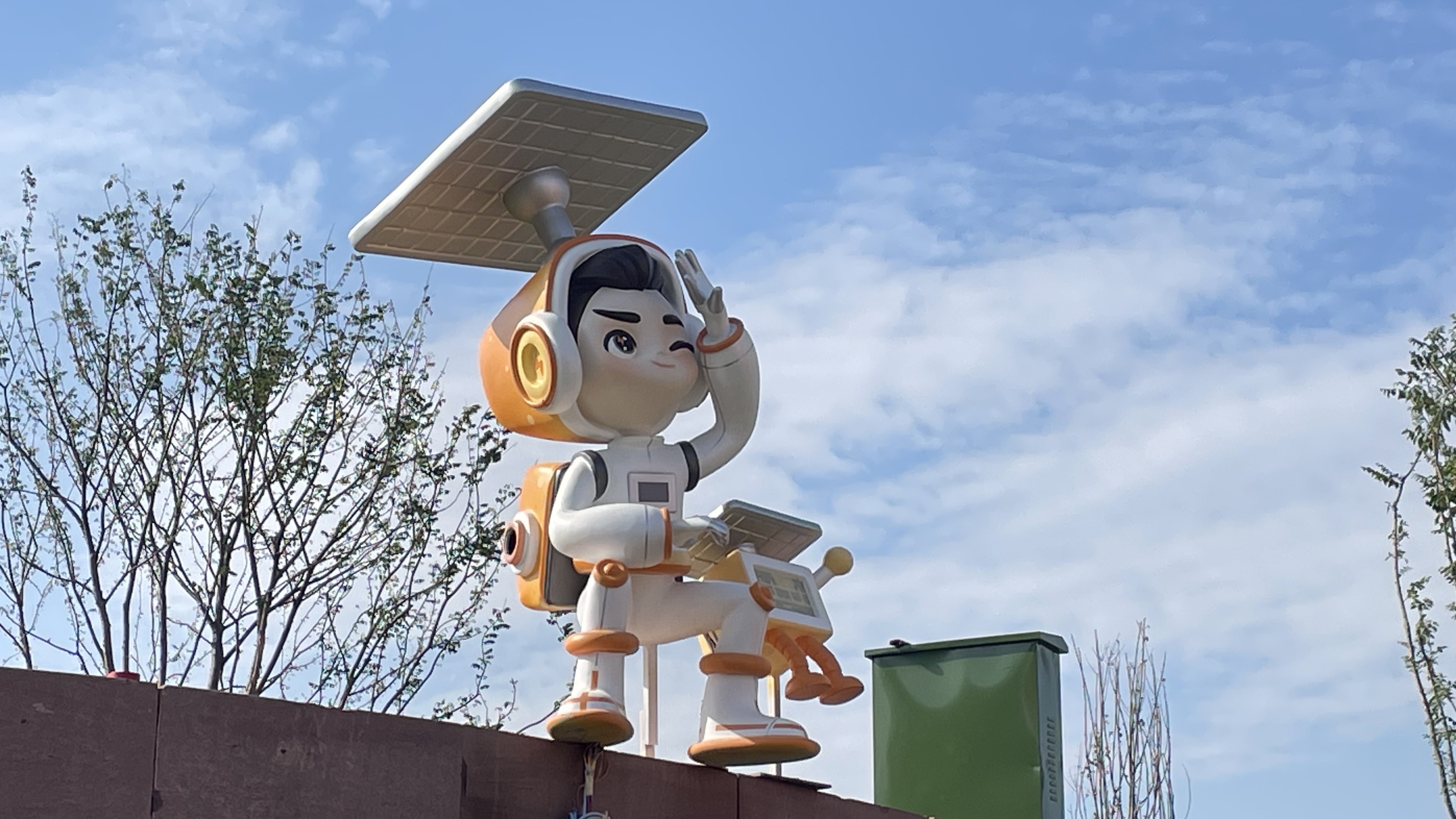
Understanding the Challenges of Transporting Contemporary Art
Transporting contemporary art, particularly fiberglass sculptures, involves several unique challenges. These artworks can be intricate, requiring specialized equipment and handling methods to ensure their safety during transit. One major concern is the weight and fragility of fiberglass materials, which can be impacted by temperature fluctuations and physical jolts. Proper packing materials, such as foam and soft blankets, are critical to shield the sculptures from damage. Additionally, logistics play a significant role; arranging transportation can be complex, especially when dealing with multiple pieces or large installations. Lastly, clear communication among all parties involved—the artists, curators, and transport teams—is essential to ensure that everyone understands the specific needs of each piece. Overcoming these challenges not only protects the art but also maintains its integrity throughout its journey.
Best Practices for Safely Relocating Art Sculptures
When moving fiberglass sculptures, it is vital to follow specific best practices to ensure their safety and integrity. Begin by assessing the sculpture’s dimensions and weight, allowing for the appropriate equipment and manpower. Use protective materials such as bubble wrap or foam padding to safeguard delicate areas against scratches or damage. Secure the base of the sculpture properly to prevent tipping during transit.
A well-planned route is essential; avoiding tight corners and low ceilings minimizes risk during movement. Employ specialized transportation vehicles equipped with climate control to protect artworks from extreme temperatures and humidity. Lastly, ensure all handlers are trained in art relocation practices, as their awareness of safety protocols greatly influences the preservation of these valuable pieces.
| Best Practice | Description |
|---|---|
| Assess Dimensions and Weight | Ensure proper equipment is utilized |
| Use Protective Materials | Safeguard surfaces with bubble wrap |
| Secure Sculpture Base | Prevent tipping during transportation |
| Plan Route Effectively | Avoid obstacles that could cause damage |
| Utilize Climate-Controlled Vehicles | Protect artworks from environmental factors |
| Train Handlers | Ensure awareness of relocation protocols |
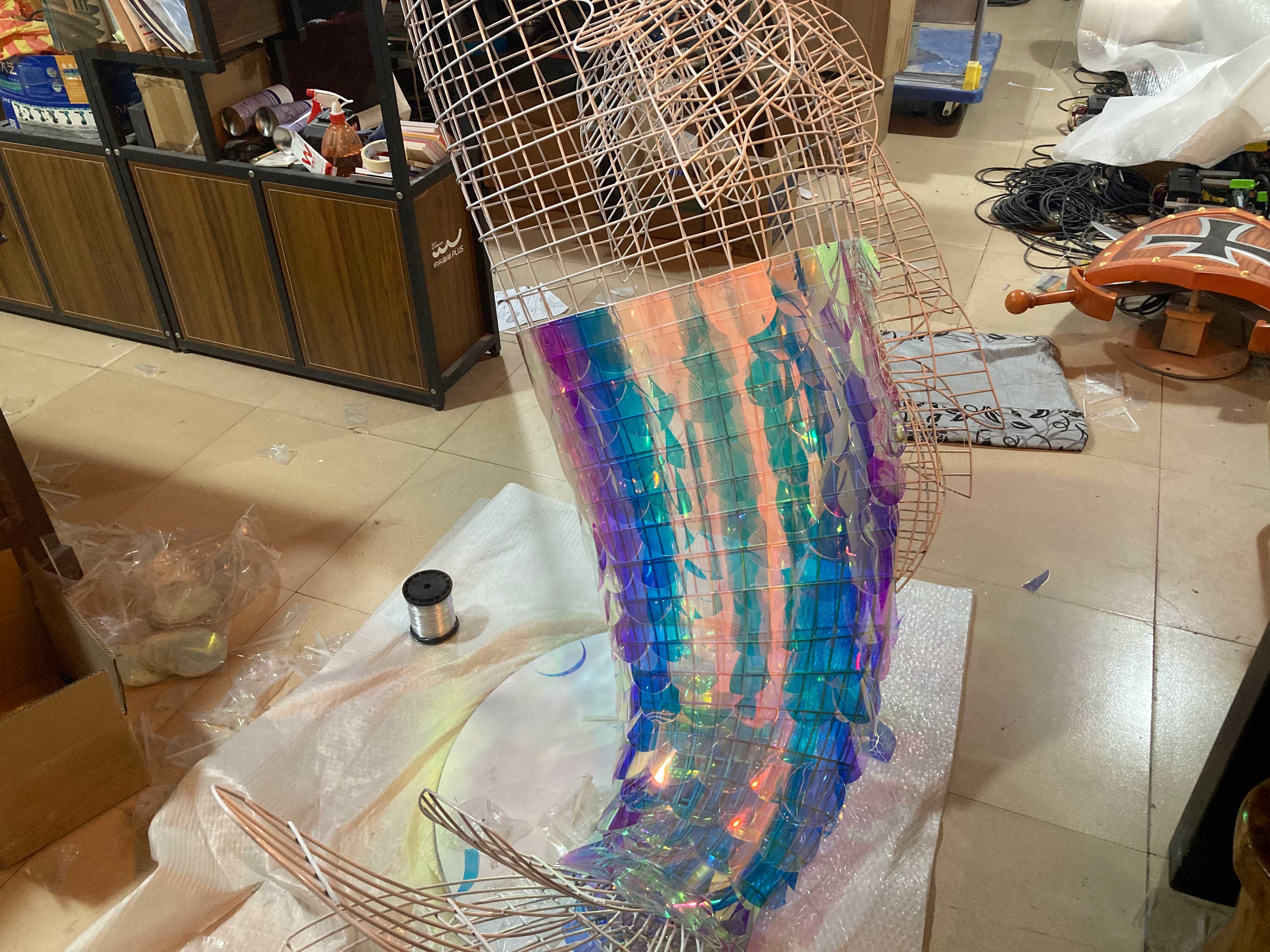
Impact of Careful Handling on Fiberglass Art Integrity
When moving fiberglass sculptures, careful handling is crucial to ensure their integrity. Unlike traditional materials, fiberglass can be susceptible to scratches and dents, which may compromise the artwork’s aesthetic and structural integrity. Employing specialized moving techniques helps prevent damage during transportation. For example, using padded crates and custom supports allows for better protection against shocks and vibrations that could occur on the road. Additionally, trained professionals should manage the lifting and loading processes to minimize risks associated with improper handling. This meticulous approach not only safeguards the artwork but also preserves its value within the contemporary art scene. Ultimately, artists, collectors, and galleries recognize that safe relocation can significantly impact the longevity and appreciation of these unique pieces, making attention to detail essential in every moving operation. Kinetic sculptureappreciation also hinges on such preservation efforts during transportation.
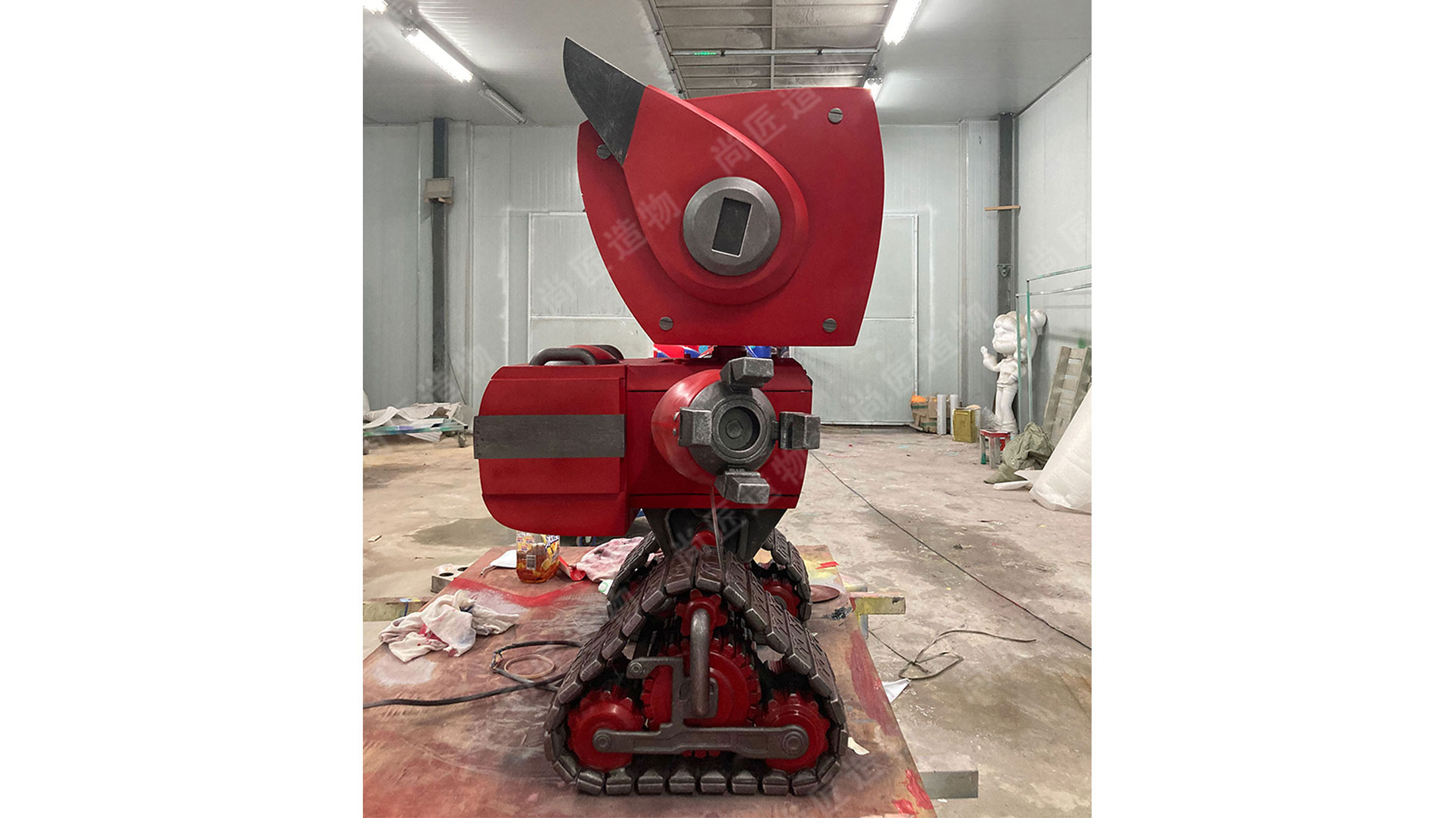
Transportation Techniques for Contemporary Fiberglass Sculptures
Transporting fiberglass sculptures requires careful planning and execution to ensure their safety and integrity during the moving process. First, it is essential to use proper packing materials, such as bubble wrap and foam padding, to protect the sculptures from impact and scratches. Securing sculptures in sturdy crates not only aids in stability but also minimizes movement during transit. Secondly, employing trained professionals who understand the unique characteristics of fiberglass can greatly reduce the risk of damage. They should be familiar with techniques for safely lifting and maneuvering heavy pieces, taking care to avoid pressure points that could lead to cracks. Additionally, monitoring environmental conditions, such as temperature and humidity, is crucial since fluctuations can affect the material. By following these guidelines, the transportation of contemporary fiberglass sculptures remains efficient and effective while maintaining their artistic value.
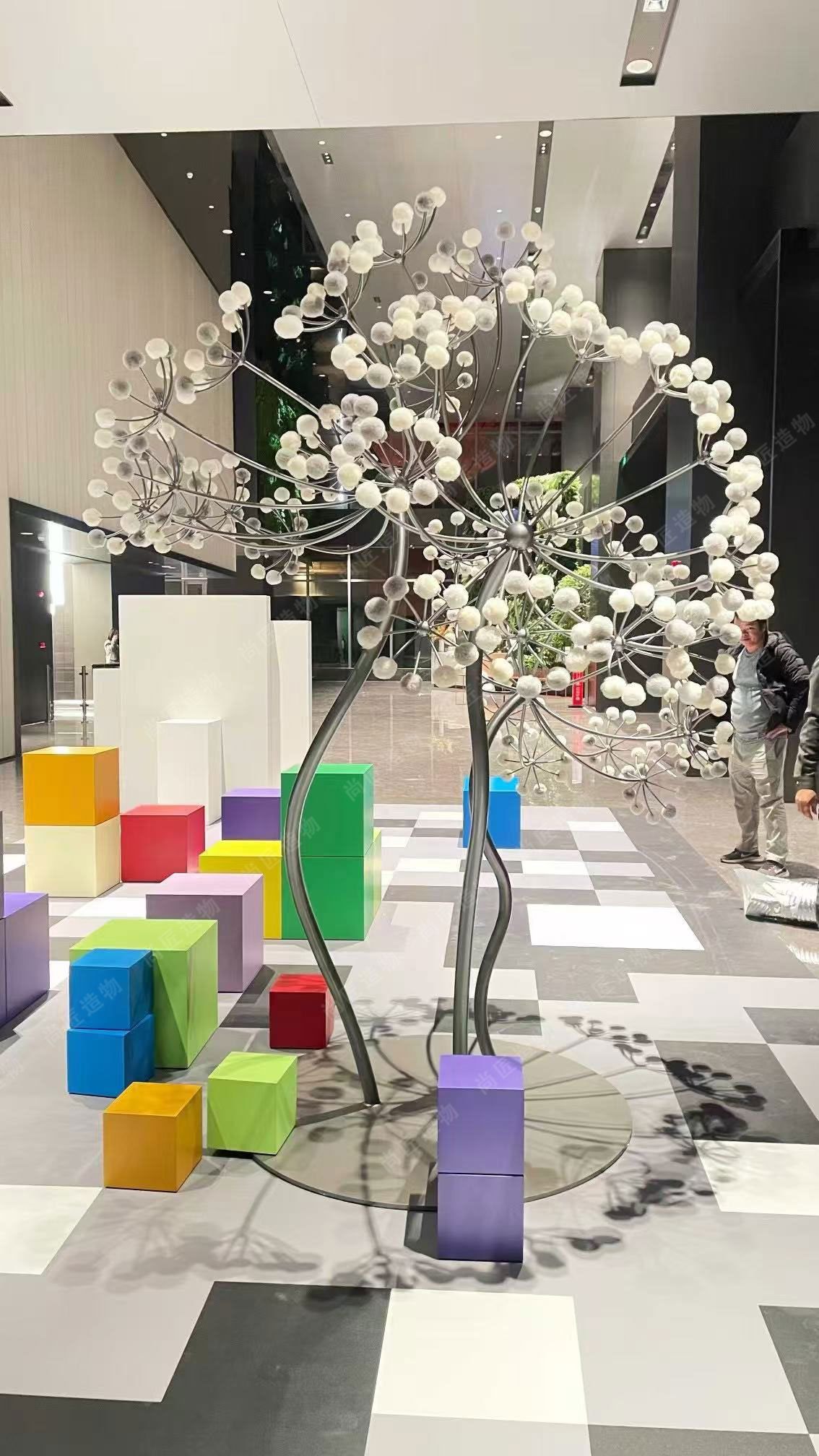
Significance of Relocation in the Life Cycle of Sculptures
Relocating sculptures, particularly fiberglass creations, plays a critical role in their overall life cycle. Each move provides an opportunity to refresh the context in which an artwork is displayed. This adjustment can greatly enhance viewer engagement and appreciation. Furthermore, relocating pieces often restores their visibility and preserves the original intent behind their placement. As stated by art curator Evelyn Parker, “The impact of a sculpture can shift dramatically depending on its environment; every location tells a new story.”
Undoubtedly, careful planning is essential when transporting fiberglass sculptures to ensure their integrity remains intact during this transition. Understanding factors such as temperature control and packing materials becomes vital to prevent damage. Maintaining the sculpture's artistic value requires adherence to best practices throughout the moving process. Engaging professionals experienced in art handling helps mitigate risks and exemplifies a commitment to preserving contemporary artistry.
Preserving Artistic Value During Sculpture Moving Processes
Moving fiberglass sculptures requires a deep understanding of their artistic value. Each piece embodies the artist's intention, and any mishandling can compromise its integrity. Therefore, it's crucial to utilize specialized packing materials that cushion and protect the artwork from physical damage. Temperature and humidity control are also vital during transport, as fluctuations can lead to material degradation. Regular communication with art handlers during the moving process ensures that every step taken honors the craftsmanship involved. By prioritizing careful handling techniques, art professionals not only safeguard the sculpture but also maintain its significance within contemporary art narratives. This respectful approach fosters a deeper appreciation for the artistry involved in these complex works.
Enhancing Appreciation Through Proper Moving Techniques
Transporting fiberglass sculptures requires meticulous attention to ensure their safety and integrity. Proper moving techniques not only protect the artwork but also enhance the viewer's appreciation. For instance, using custom crating can provide the necessary support, preventing any movement that might cause damage during transit. Additionally, employing experienced handlers familiar with the nuances of moving contemporary art ensures that every step, from loading to unloading, is executed with care. This approach helps maintain the artwork's condition and allows for a more profound engagement with the piece once it reaches its new location. By integrating expertise and appropriate materials during this process, art movers contribute to a seamless transition that honors both the artistry and intent behind each sculpture.
Conclusion
In conclusion, the importance of precision and care when relocating fiberglass sculptures cannot be overstated. The unique properties of fiberglass demand specialized handling and transportation techniques to uphold the sculpture's integrity. By recognizing the challenges and employing best practices outlined in earlier sections, art professionals can effectively preserve the artistic value of these works. Each move represents a chance not only to maintain but also to enhance appreciation for contemporary artistry. As galleries and collectors become increasingly aware of these practices, the overall success in preserving and showcasing fiberglass sculptures will significantly contribute to their journey within the art world.
FAQs
What are the common risks during the transportation of fiberglass sculptures?
Common risks include scratches, dents, and structural damage due to mishandling or impacts during transit.
How can I ensure that fiberglass sculptures are safely packed?
Using custom crating, foam padding, and bubble wrap can provide effective protection against shocks and vibrations.
Why is temperature control important when moving contemporary art?
Temperature control is vital because fluctuations can lead to material degradation, impacting the integrity of the sculpture.
Who should be involved in the moving process of these sculptures?
Involving trained professionals who understand the nuances of art handling is crucial for minimizing risks.
What should I consider when planning a relocation for a sculpture?
Consider dimension assessments, route planning to avoid obstacles, and environmental protections to ensure a smooth move.