ch
ch English
Interactive kinetic sculptures offer a transformative approach to enhancing public spaces by blending art with community engagement. These dynamic installations encourage active participation, inviting visitors to interact through touch and movement. Their ability to respond to viewer actions not only fosters curiosity but also strengthens social bonds as people gather and share experiences around these artworks. Additionally, the use of innovative technologies in sculptural designs promotes exploration among all age groups, making art more accessible and relatable. As communities recognize the value of such installations, they can better appreciate how kinetic art contributes to a vibrant, interactive cultural environment.
The Role of Interactive Kinetic Sculptures in Enhancing Community Spaces
Interactive kinetic sculptures play a vital role in refreshing community spaces by inviting participation and connection. These artworks, often strategically placed in parks and public areas, encourage visitors to engage with art in an innovative way. The movement and interactivity of these pieces can stimulate curiosity, particularly among children, making art accessible and enjoyable for all ages.
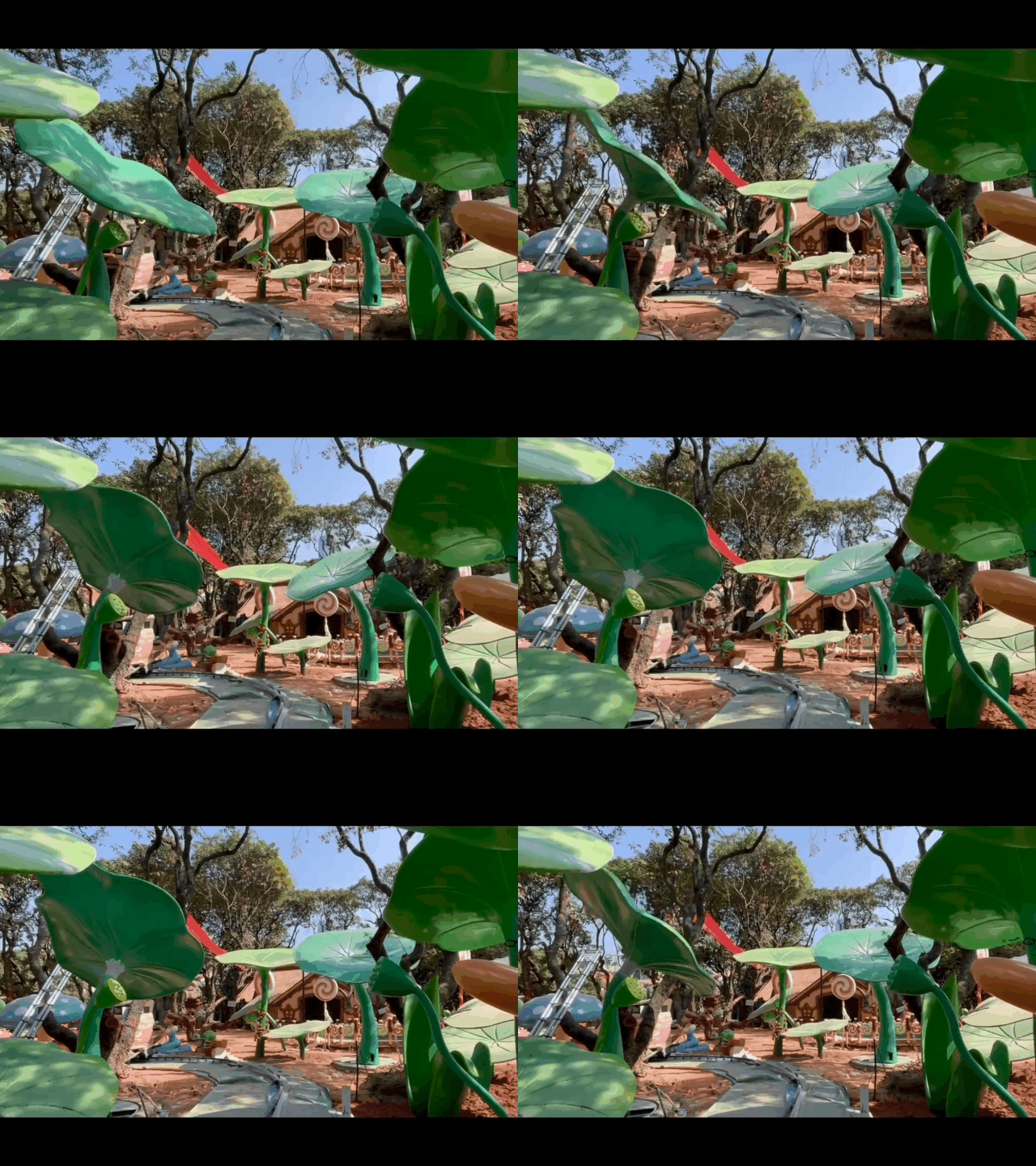
Incorporating technology and design, artists can create sculptures that change shape or color based on viewer interaction. Such dynamic experiences foster a sense of belonging and community pride while also serving as a platform for social interaction. For example, a playful installation inspired by Cartoon sculpturecould entice families to explore their surroundings together. Ultimately, these kinetic pieces not only enhance the aesthetic of public spaces but also contribute to vibrant community life by encouraging people to explore their environment actively.

Innovative Designs of Kinetic Sculptures for Engaging Public Areas
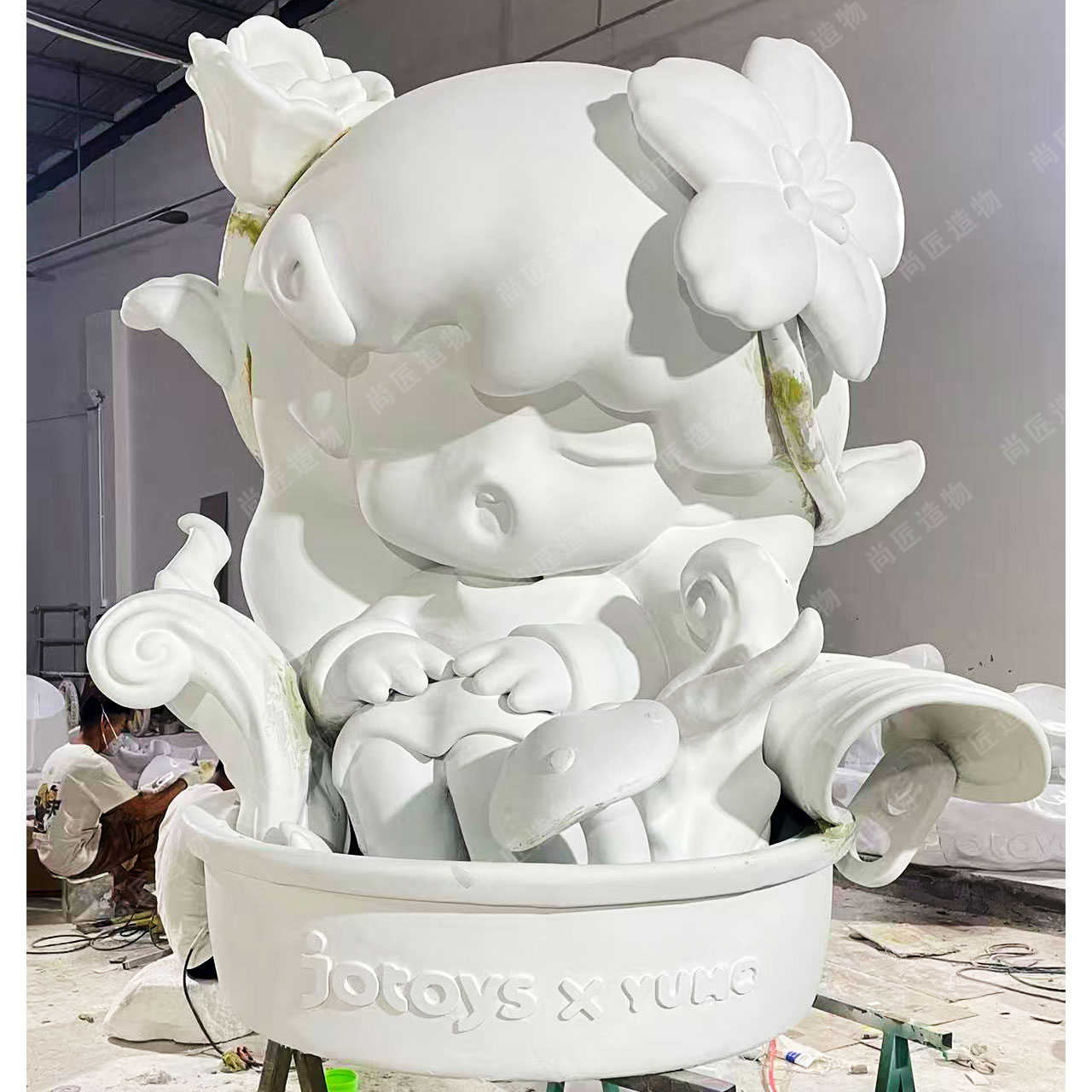
Innovative designs of interactive kinetic sculptures are redefining how public areas engage visitors. These sculptures often incorporate motion sensors, light features, and sound elements that respond to user interaction, creating a dialogue between the artwork and its audience. For instance, a sculpture in a city park might swirl and light up as people approach, inviting them to touch or move around it. This interaction not only entertains but also encourages exploration and curiosity among all age groups. Designs such as the IP character sculptureexemplify how form and function can intertwine to draw people in, making every visit a unique experience. By integrating kinetic elements with community themes, artists are crafting spaces that foster connection and creativity among visitors.
Creating Immersive Experiences with Moving Art Installations
Interactive kinetic sculptures are designed to captivate and engage visitors by combining art with movement. These installations often encourage participation and exploration, enabling individuals to interact with the art in meaningful ways. For example, sculptures that react to the presence or actions of viewers invite them to play, touch, or manipulate the artwork. Such engagement not only creates memorable experiences but also fosters a sense of community as people gather around the artwork, sparking conversations and connections.
"Art is not just something to look at; it's an experience meant to be felt."
By integrating these dynamic pieces into public spaces, cities can transform ordinary areas into vibrant cultural hubs. Parks and plazas become stages for these moving installations, inviting visitors of all ages to discover a deeper connection with art. Innovative designs that incorporate light, sound, or even sensor technology enhance this experience further, making each visit unique. As communities embrace these interactive elements, they support creative exploration and enrich the cultural landscape for everyone.
The Impact of Interactive Kinetic Art on Visitor Engagement
Interactive kinetic sculptures can significantly enhance the way visitors engage with public art. By inviting people to interact through movement, these sculptures create a sense of curiosity and wonder. When visitors approach a kinetic piece, they have the opportunity to manipulate it, experiencing firsthand how their actions impact the artwork. This active participation fosters a deeper emotional connection, transforming passive observers into engaged participants. For example, as children push or pull components of a sculpture, they not only enjoy the visual spectacle but also learn about cause and effect in a playful environment. These experiences encourage community interaction and discussion, making public spaces feel more inclusive and dynamic. As such installations become more commonplace, they may redefine visitor expectations of what art can be in urban settings.
Exploring the Evolution of Kinetic Sculptures in Urban Environments
Kinetic sculptures have come a long way in urban settings, shifting from mere decorative elements to engaging public art forms. These pieces often incorporate movement, inviting passersby to interact and explore. Recent trends show a growing interest in sculptures that react to their environment or audience, enhancing the viewer's experience. For instance, artists are designing installations that respond to wind or touch, creating a dialogue between the artwork and the spectator. This evolution reflects a broader push toward integrating art into everyday life, making public spaces more vibrant and inclusive. As cities continue to evolve, kinetic sculptures play a crucial role in transforming empty areas into lively community hubs where creativity meets interaction.
Transforming Public Spaces: The Future of Interactive Art Installations
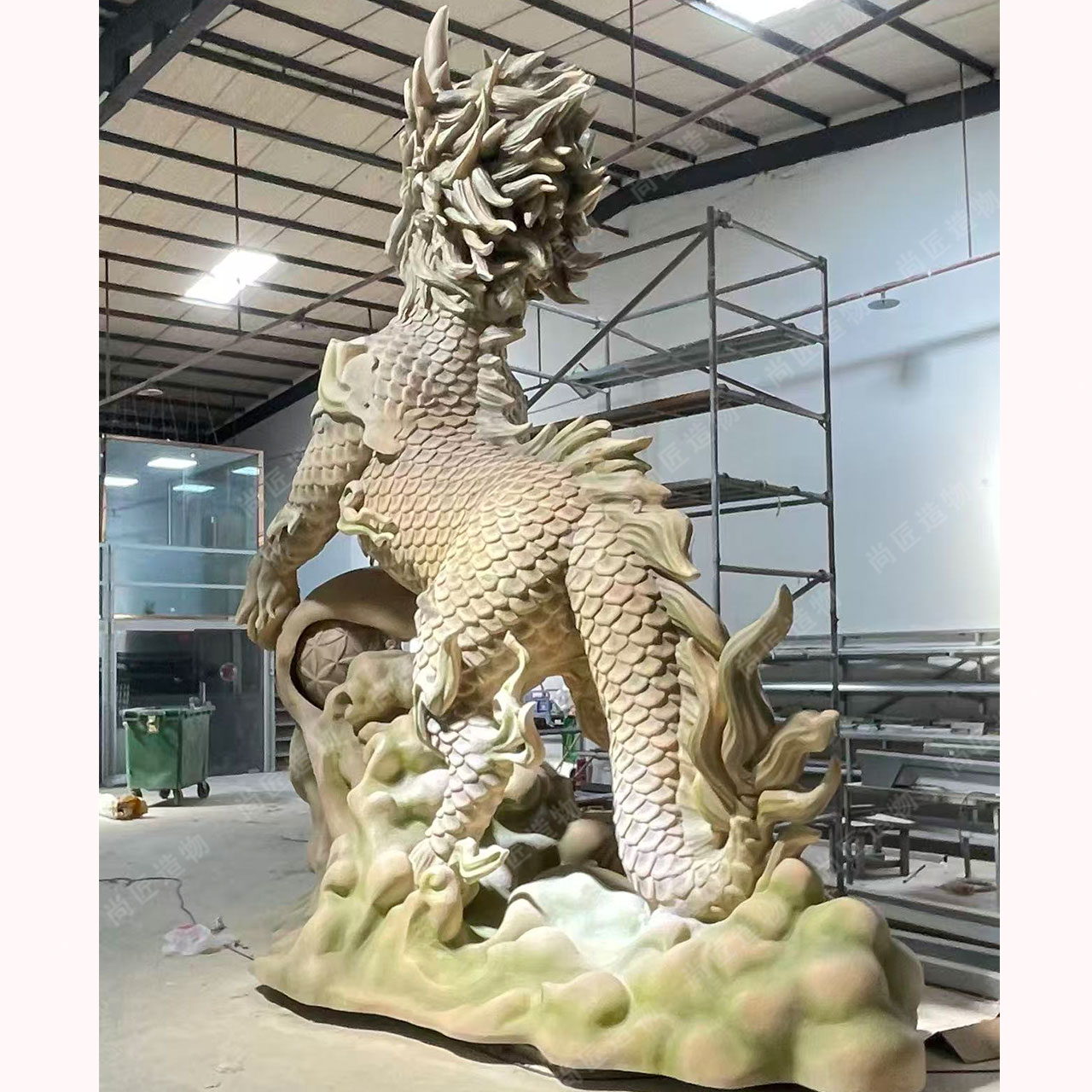
Interactive kinetic sculptures are set to redefine public spaces by inviting participation and sparking curiosity among visitors. These installations encourage movement and exploration, allowing audiences to become part of the artwork. For example, a promising trend is the integration of technology with sculpture, making these pieces not just static displays but dynamic environments that change based on viewer interaction. This approach not only enhances aesthetic appeal but also fosters community engagement, as people gather around these installations to share experiences. Local parks and urban areas benefit from such art, transforming them into vibrant hubs of activity. Through strategic placement and innovative design, interactive sculptures can elevate ordinary spaces into extraordinary experiences for all who visit, turning passive observation into active involvement. For a deeper dive into the possibilities of such art forms, check out this Realistic sculpture.
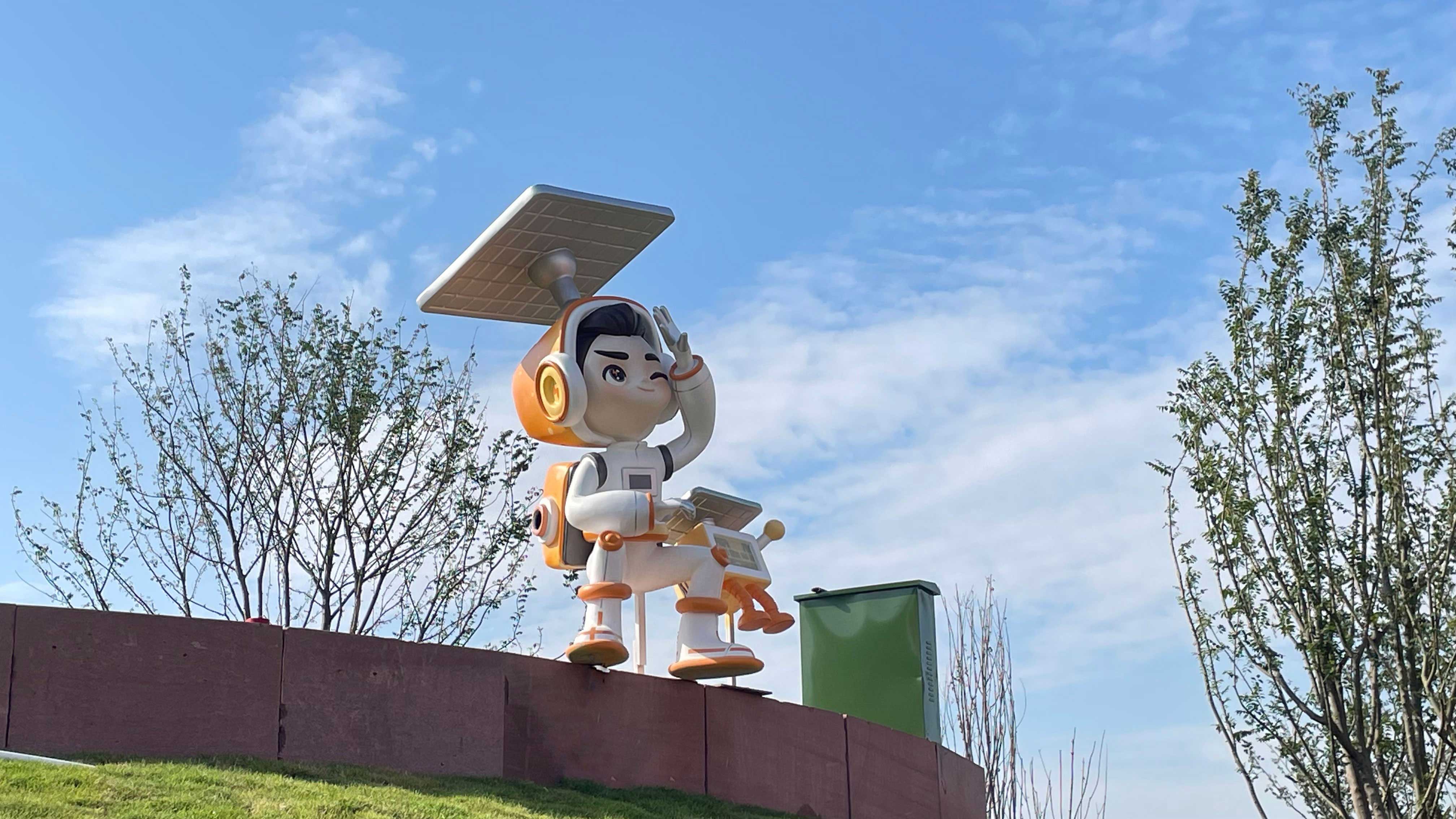
Fostering Exploration Through Dynamic Sculptural Art in Parks
Dynamic sculptural art in parks invites visitors to interact and explore their surroundings. These sculptures often incorporate motion, movement, and sound, turning static spaces into vibrant environments. For instance, children are drawn to pieces that sway or rotate, sparking curiosity and encouraging them to engage physically with the artwork. This hands-on approach not only enhances the aesthetic appeal of parks but also promotes social interaction among visitors. As families and friends gather around interactive installations, conversations flow naturally, fostering a sense of community. By incorporating kinetic elements, sculptors have the unique opportunity to create memorable experiences that resonate with individuals of all ages, ultimately adding educational value through play and exploration in public spaces.

Public Interaction: How Kinetic Sculptures Redefine Art Engagement
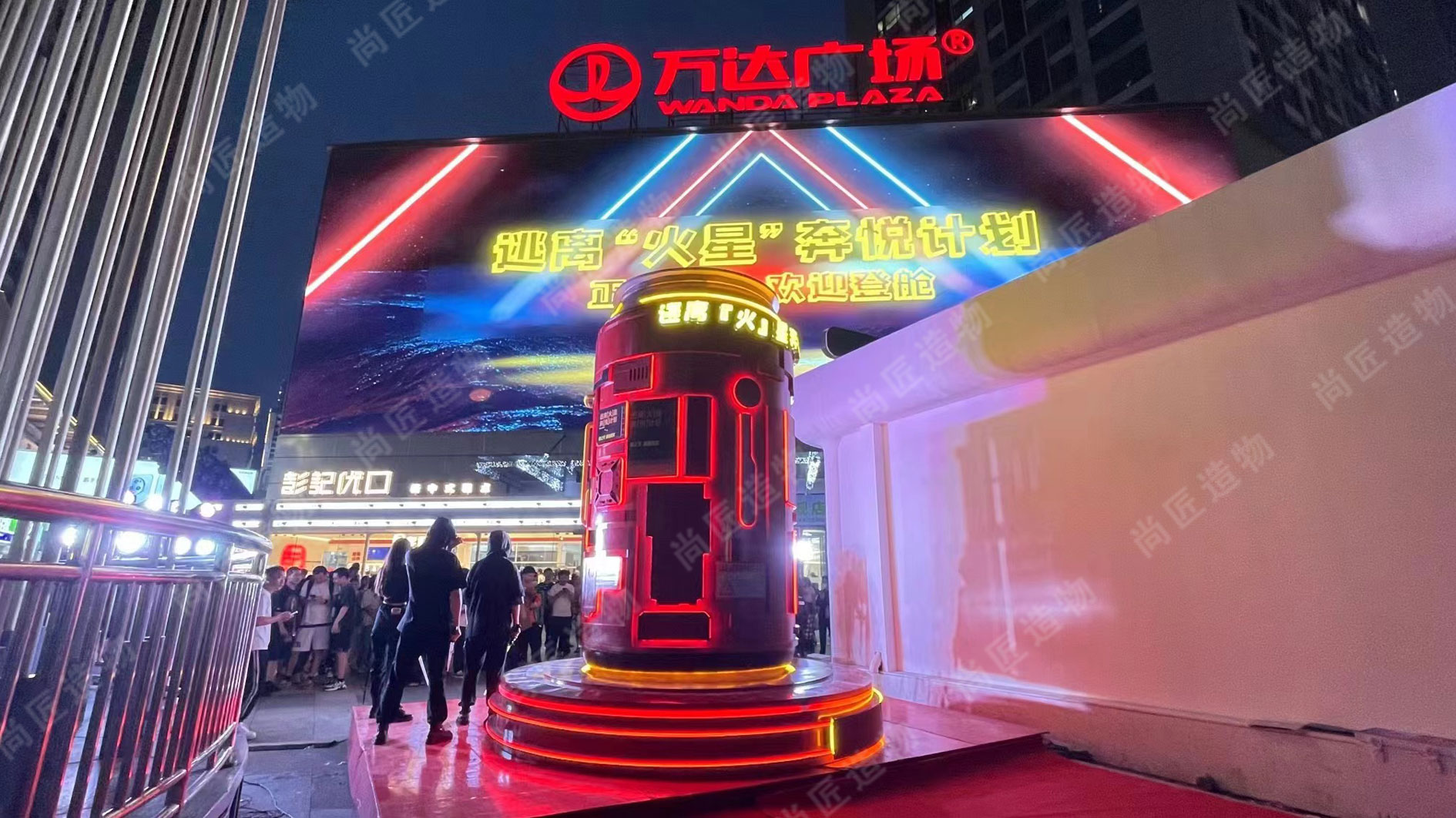
Kinetic sculptures bring a fresh dynamic to art in public spaces, inviting people to touch, move, and interact. These artworks often shift and change in response to viewer participation, making each experience unique. For instance, a sculpture that spins when approached encourages visitors to engage physically and emotionally. This interaction breaks the traditional barrier between the art piece and the audience, fostering a sense of connection. Moreover, these installations often become social hubs where families gather, children play, and communities interact. By encouraging exploration and active participation, kinetic sculptures not only transform the environment but also redefine how art is perceived and experienced in community settings. This evolving art form continues to draw attention as more cities incorporate these innovative designs into their public spaces.
Conclusion
Interactive kinetic sculptures hold significant potential for enriching public spaces and fostering community engagement. As these installations become more prevalent, their ability to encourage active participation and exploration transforms the experience of art in everyday settings. By incorporating elements that invite interaction, artists not only elevate the aesthetic value of a space but also create environments where individuals can connect with one another and their surroundings. This evolving form of art serves not just as decoration but as a tool for building vibrant, inclusive communities. Through innovative designs and thoughtful placements, kinetic sculptures continue to redefine the role of public art, making it accessible and engaging for visitors of all ages.
FAQs
What are interactive kinetic sculptures?
Interactive kinetic sculptures are art installations that move or change in response to viewer participation, inviting individuals to engage physically and emotionally with the artwork.
How do kinetic sculptures enhance public spaces?
Kinetic sculptures enhance public spaces by promoting interaction and exploration, turning static environments into dynamic hubs that encourage social engagement among visitors.
What types of technologies are used in kinetic sculptures?
Many kinetic sculptures incorporate sensors, lights, and sound elements, allowing them to react to the presence of viewers and creating a unique experience with each interaction.
Can children interact with these installations?
Yes, children are often drawn to interactive kinetic sculptures as they promote playfulness and curiosity, allowing them to touch, manipulate, and explore the art in a hands-on manner.
Why is community engagement important for public art?
Community engagement through public art fosters a sense of belonging and pride among residents, creating opportunities for social interaction while enriching the local cultural landscape.