ch
ch English
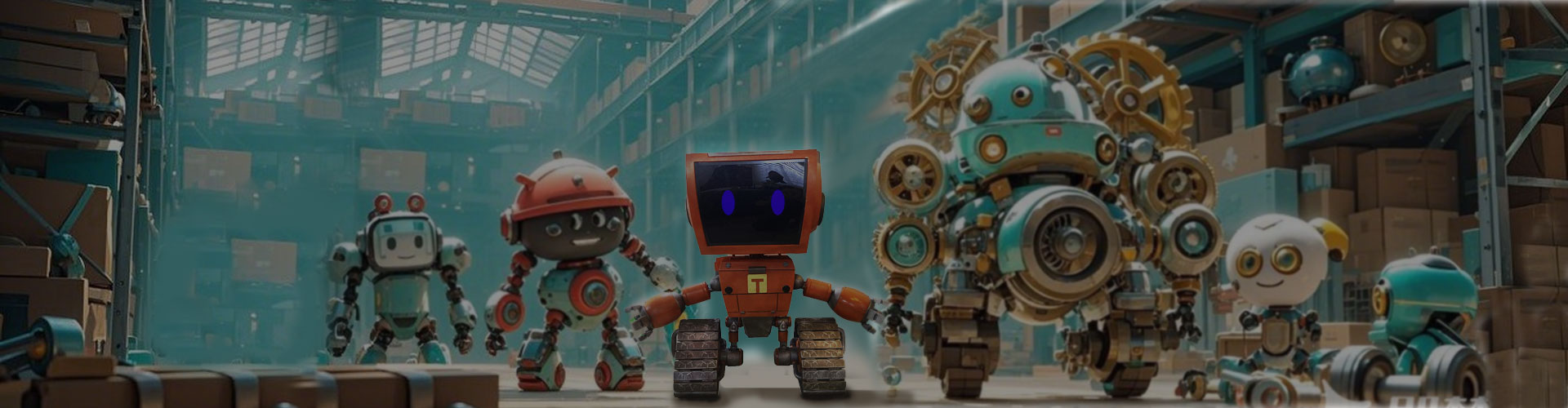
Kinetic metal art with motors adds a unique dimension to character statues, blending creativity and engineering. Understanding the integration of motors is crucial, as they enable precise movements that enhance the viewing experience. The choice of materials affects not only the structure but also the dynamics of motion, with lightweight metals often being ideal for facilitating movement. Essential tools include basic hand tools for assembly and motors that fit your design needs. Incorporating unique movement ideas can engage audiences, bringing characters to life through dynamic actions. This exploration encourages artists to experiment and refine their techniques, allowing for innovative creations that resonate with viewers.
Understanding Kinetic Metal Art with Motors for Character Statues
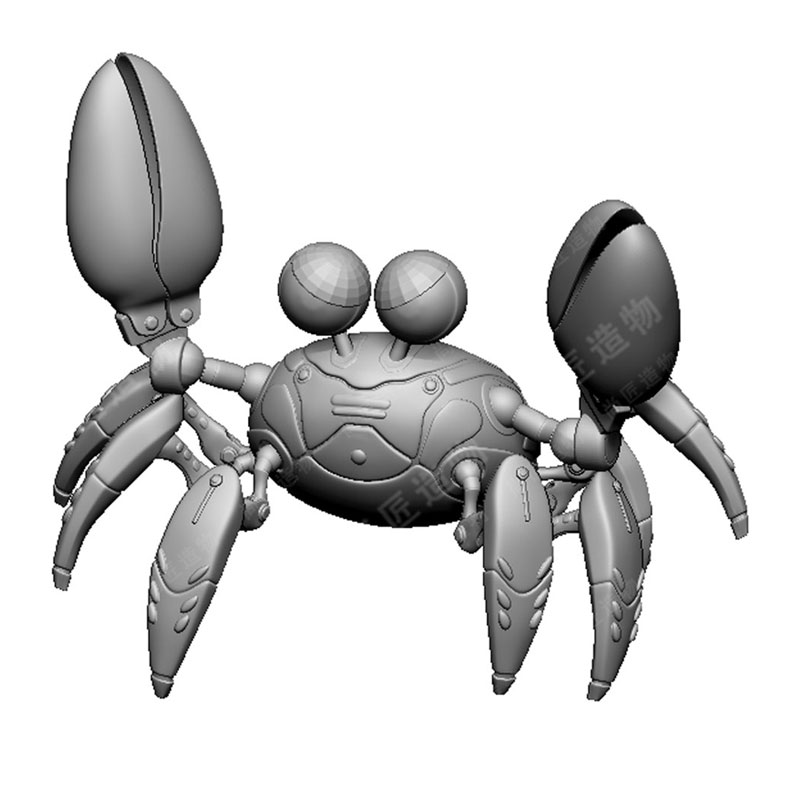
Kinetic metal art combines artistry with engineering, using motors to create dynamic sculptures that capture attention. This innovative form of art allows creators to incorporate movement into their designs, making statues come alive. The use of motors enables a range of motions, from gentle sways to rapid rotations. Sculptors can draw inspiration from various sources, such as pop culture characters or nature, and then develop mechanisms that enhance their artistic vision.
For instance, by employing a simple stepper motor, artists can achieve precise control over the movement of their character statues. With the right programming and design, these mechanisms can produce smooth motions that enhance the storytelling aspect of each piece. Materials like stainless steel offer durability and aesthetic appeal in kinetic sculptures. Integrating motors not only elevates the artistry but also challenges the creator's problem-solving skills in design and functionality.
Through experimentation with different motion techniques and materials, artists can refine their work and expand their creative potential in kinetic metal art projects.
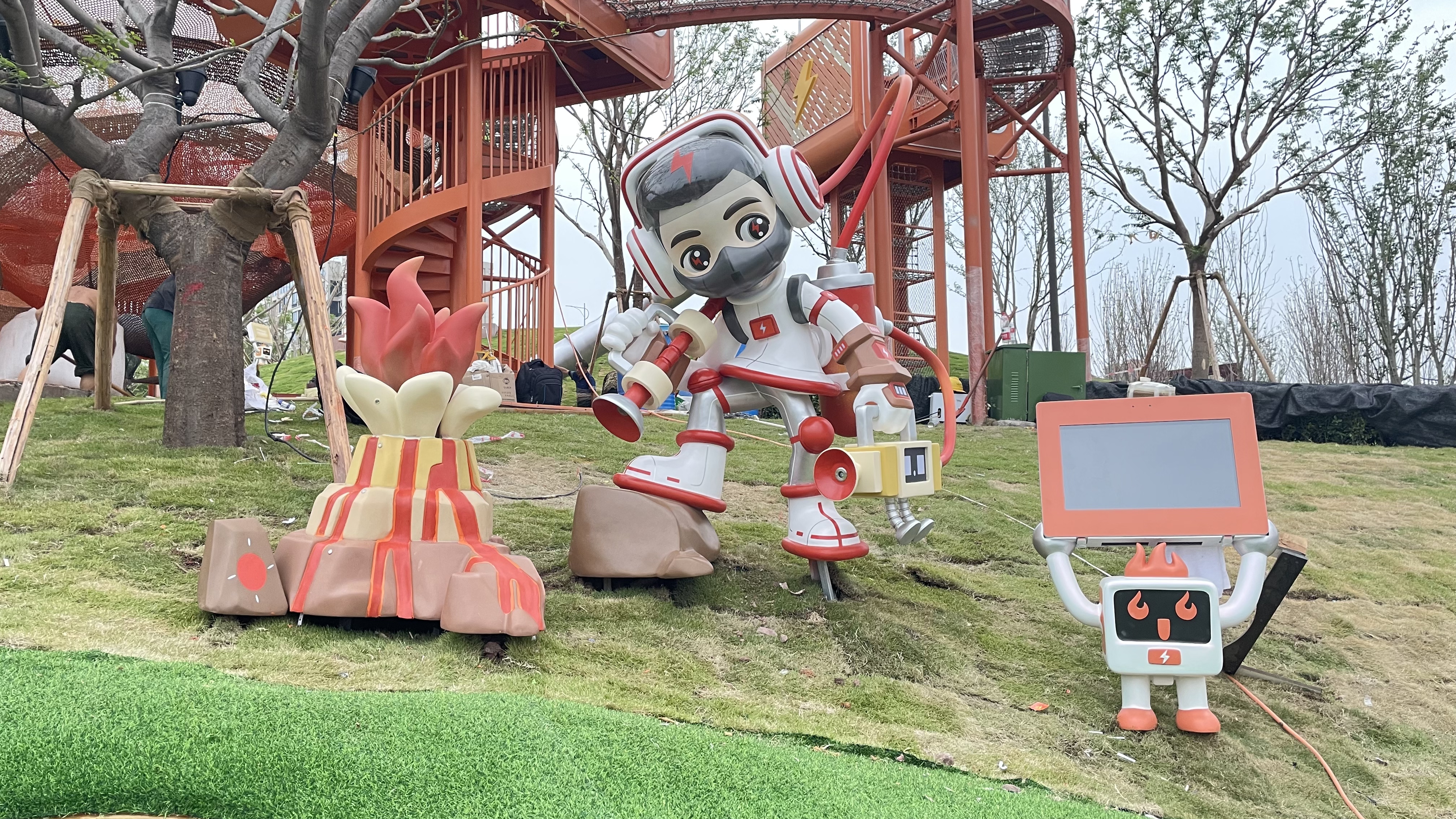
Essential Tools for Crafting Dynamic Kinetic Metal Statues
Creating kinetic metal statues requires a variety of essential tools that cater to both metalworking and movement mechanisms. Start with basic hand tools like pliers, screws, and bolts for assembling parts securely. A high-quality angle grinder and drill will make shaping and joining metal components easier. Depending on your design, you might also need welding equipment for more durable connections.
To incorporate movement, consider stepper motors or small servo motors, which are effective in driving parts without complex setups. Driver chips enable seamless control of these motors with your choice of microcontrollers. For artistic needs, a variety of painting materials and finishes can enhance the visual appeal of your sculptures. Exploring links like Cartoon sculpturecan provide further insights into detailed artistic techniques as well. With these tools, you'll be well-equipped to bring your kinetic character statues to life.
Step-by-Step Guide to Creating Kinetic Character Sculptures
Creating kinetic character sculptures involves several key steps. Start by sketching your design on paper, identifying the characters you want to bring to life. Once settled on the concept, gather the necessary materials such as metal sheets, rods, and motors. These components allow for movement while ensuring durability.
Next, cut and shape your metal pieces based on your design. Use a combination of welding and fastening techniques to secure these parts together. For movement, integrate stepper motors, which provide controlled motion and can be easily programmed with microcontrollers like Arduino.
"Start small; even basic mechanisms can produce engaging movement," is a good principle to keep in mind as you experiment.
After assembling the structure, focus on installing the electronic components that will facilitate movement. Ensure that wiring is done neatly and safely for optimal operation. Once everything is connected, test your kinetic mechanism to ensure it runs smoothly before adding any finishing touches like paint or coatings.
Lastly, consider how your design interacts with its surroundings. The placement and motion will heighten the artwork's visual appeal. For further inspiration or techniques related to material use, explore Fiberglass sculptureresources as alternative options for enhancing your designs.
Innovative Techniques for Adding Movement to Metal Art
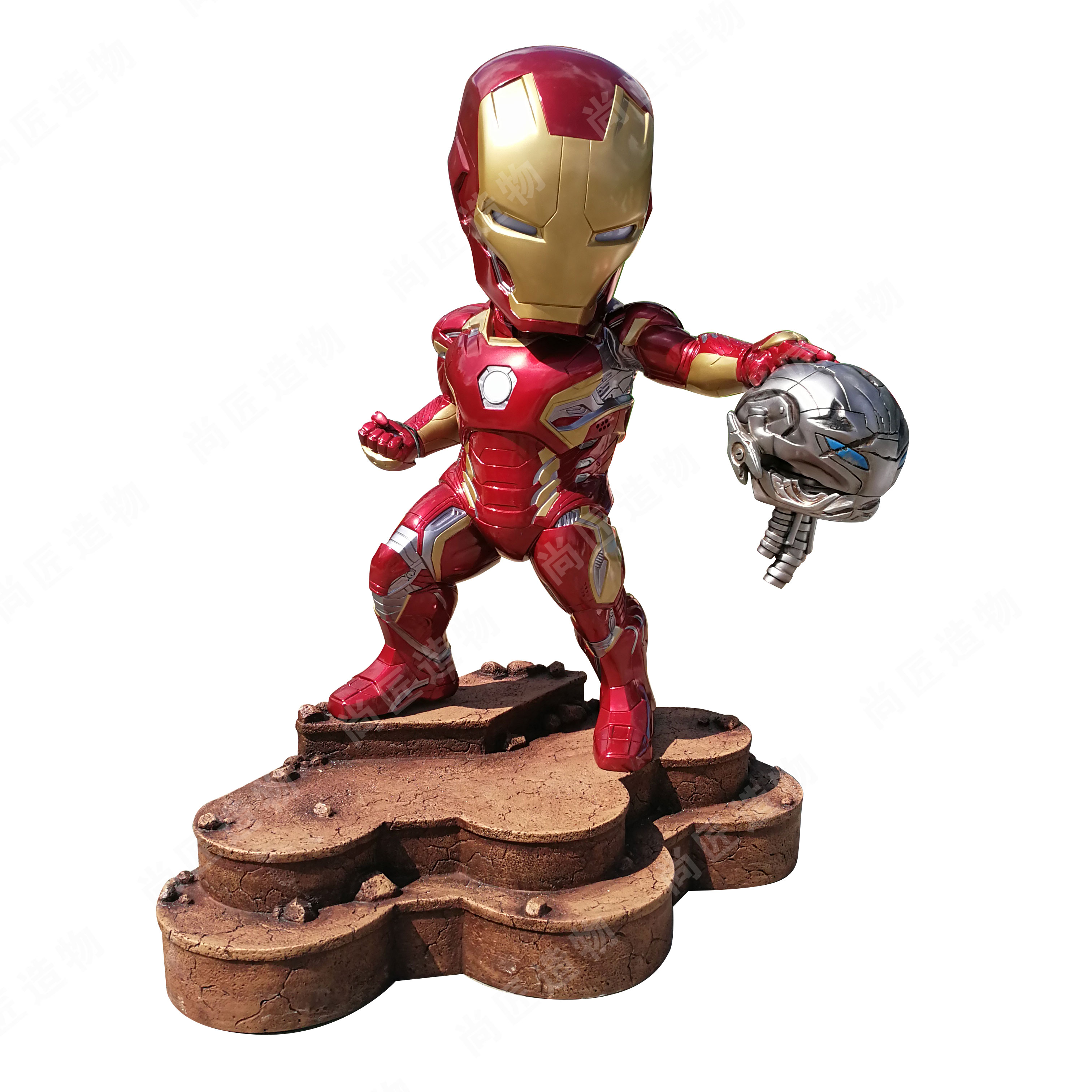
Incorporating movement into metal art can transform a static sculpture into an engaging piece. One effective technique is using a simple motor system to create kinetic effects. For instance, connecting a small DC motor to a rotating element can achieve captivating spinning actions. Gears can be employed to modify speed and direction, enhancing the motion's visual appeal. Additionally, utilizing counterweights can balance movable parts, allowing for smoother transitions and dynamic poses. Springs and levers also add variety by introducing bounce and swing actions, offering a lively presentation. Experimenting with different materials, such as lightweight metals or polymers for moving parts, can further enhance the sculpture's mobility and responsiveness. These techniques ensure that your kinetic metal art captivates audiences by drawing them into the experience of dynamic movement.
Exploring Design Ideas for Licensed Character Kinetic Sculptures
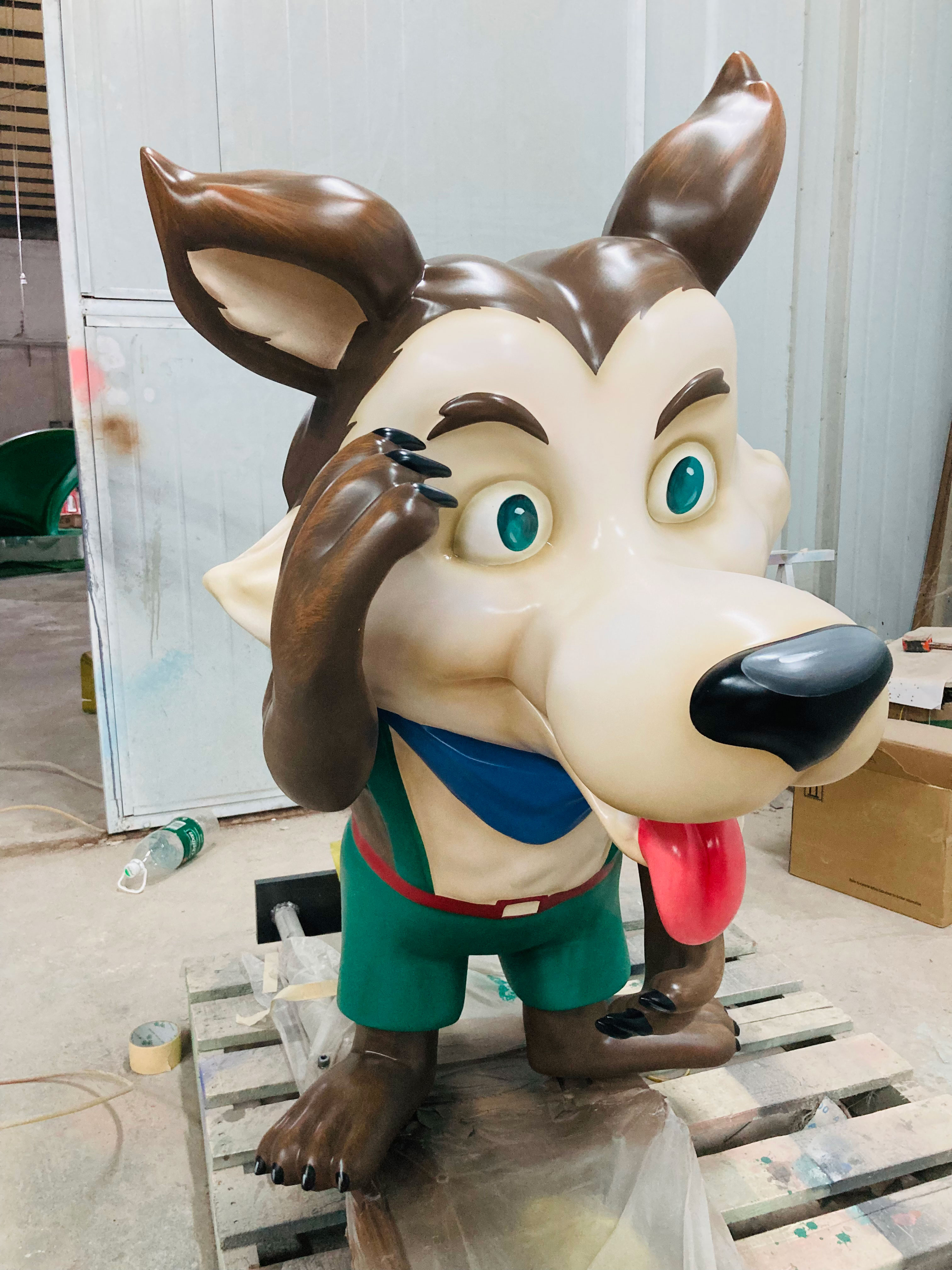
When creating kinetic sculptures featuring licensed characters, it's vital to merge creativity with functionality. Start by considering which characters resonate with your audience and how their movements can enhance the sculpture's appeal. Think about incorporating dynamic elements like rotating parts or movable limbs to bring these figures to life. Materials such as lightweight metals or durable plastics can help achieve the desired motion without compromising stability. Additionally, utilizing motors strategically can introduce unique kinetic features, infusing character-specific actions that capture viewers' attention. For inspiration and guidance on intellectual property considerations, you may explore IP character sculptureresources. This not only ensures compliance but also remarks on the importance of originality in design without infringing on existing trademarks. Balancing these elements will result in captivating artworks that reflect beloved characters while engaging audiences through movement.

Integrating Electronics into Kinetic Metal Art Projects
Incorporating electronics into your kinetic metal art enhances the overall experience and functionality of your sculptures. Start by selecting the right motors, such as stepper or DC motors, which allow for precise movement and control. Microcontrollers like Arduino can easily interface with these motors, enabling you to program unique motion patterns. Utilizing driver chips simplifies the connection process, ensuring efficient power management and control.
Consider integrating sensors that respond to environmental factors like light or sound. These sensors can trigger movement, adding an interactive element to your creations. For example, a proximity sensor could activate a motor when someone approaches the sculpture, creating an engaging display. As you assemble components, pay attention to wire management and safety; neatly organizing wires not only looks professional but also prevents potential technical issues. This integration of electronics will not only bring your kinetic metal art to life but will also captivate viewers with dynamic interactions.
Maximizing Impact: The Role of Motors in Sculptural Designs
Motors play a crucial role in enhancing the dynamism of kinetic metal sculptures. By incorporating motors, artists can achieve a range of movements, from subtle shifts to more dramatic actions that captivate viewers. Select motors based on the desired speed and torque to ensure they align with the scale and complexity of your design. Smooth, continuous motion can be created using stepper motors or servos, providing precise control over your sculpture's movement. Additionally, integrating sensors can further elevate the interactive experience, allowing sculptures to respond to their environment or audience. This thoughtful inclusion of motors not only adds dimension to the artwork but also invites engagement and curiosity, making each piece truly memorable.
Crafting Tips for All Levels: Bringing Your Kinetic Art to Life
To successfully bring your kinetic metal art to life, start with a solid foundation. Choose lightweight metals for your sculptures, as they will respond better to movement. Using well-designed hinges and bearings can enhance the motion and durability of your pieces. Start with simple designs; focus on one or two moving parts before adding complexities. This approach helps you understand how each element interacts. Consider the balance and weight distribution as these factors impact performance significantly. Furthermore, ensure that your power source is reliable—using small electric motors can simplify this process. Don't hesitate to experiment with different shaft configurations and gear ratios to achieve the desired motion effects. Finally, remember that practice is key; refining your techniques over multiple projects will lead to increasingly dynamic sculptures.
Conclusion
Creating kinetic metal art with motors offers a unique avenue for artistic expression, inviting artists to blend mechanics with creativity. This fusion not only captivates audiences but also provides a platform for ongoing experimentation and innovation. As artists continue to refine their techniques and explore new ideas, the potential for dynamic movement in sculptures expands. By integrating character designs and incorporating responsive elements, these artworks become interactive experiences, resonating deeply with viewers. The journey of crafting kinetic sculptures is one of discovery, where imagination meets functionality, ultimately transforming static forms into engaging narratives that embody the spirit of movement. Each project enriches the artist's skill set and expands the boundaries of what kinetic art can achieve.
FAQs
What is kinetic metal art?
Kinetic metal art involves creating sculptures that incorporate movement, typically using motors to animate parts and enhance visual engagement.
How do I choose the right motor for my sculpture?
Select a motor based on the required speed and torque for your design. Stepper motors are good for precise control, while DC motors offer simplicity for basic movements.
What materials are best for creating dynamic movement?
Lightweight metals like aluminum or durable plastics often work well to facilitate movement while ensuring stability in your sculptures.
Can I integrate electronics into my kinetic sculptures?
Yes, integrating electronics like microcontrollers allows you to program movements and can include sensors that react to environmental factors for added interactivity.
How can I ensure my sculpture balances properly?
Focus on weight distribution when designing moving parts. Using well-placed hinges and considering counterweights can significantly impact performance.