ch
ch English

Creating a sturdy fiberglass sculpture on a budget is entirely feasible with the right strategies and materials. By considering alternatives such as expanded polystyrene foam or polymer clay, artists can achieve impactful results without overspending. Incorporating techniques like layering plaster or using fabric reinforcement enhances durability while remaining cost-effective. Proper surface preparation is crucial for effective adhesion of materials, ensuring that your sculpture holds up over time. Embracing these methods not only fosters creativity but also encourages thoughtful resourcefulness in sculpting, allowing for impressive sculptures that don't break the bank.
Exploring Budget-Friendly Alternatives for Fiberglass Sculpture
Creating a stunning sculpture doesn't always require using fiberglass, which can be expensive and labor-intensive. One alternative is using expanded polystyrene (EPS) foam, which is lightweight and easy to shape. It can be covered with a lightweight resin mix to enhance durability while keeping costs down. Additionally, consider using papercraft methods combined with a sturdy frame for added strength.
“Be resourceful; the right combination of materials can lead to beautiful outcomes without emptying your wallet.”
Another option is to explore polymer clay or air-dry clay that offers flexibility and strength for details while adhering to various surfaces easily. Don’t overlook fabric wraps or coated mesh, which can add texture and design without the heaviness of traditional materials. Check this Fiberglass sculpturelink for further insights on different applications. These choices not only help in cutting costs but also inspire creativity in your artistic process.
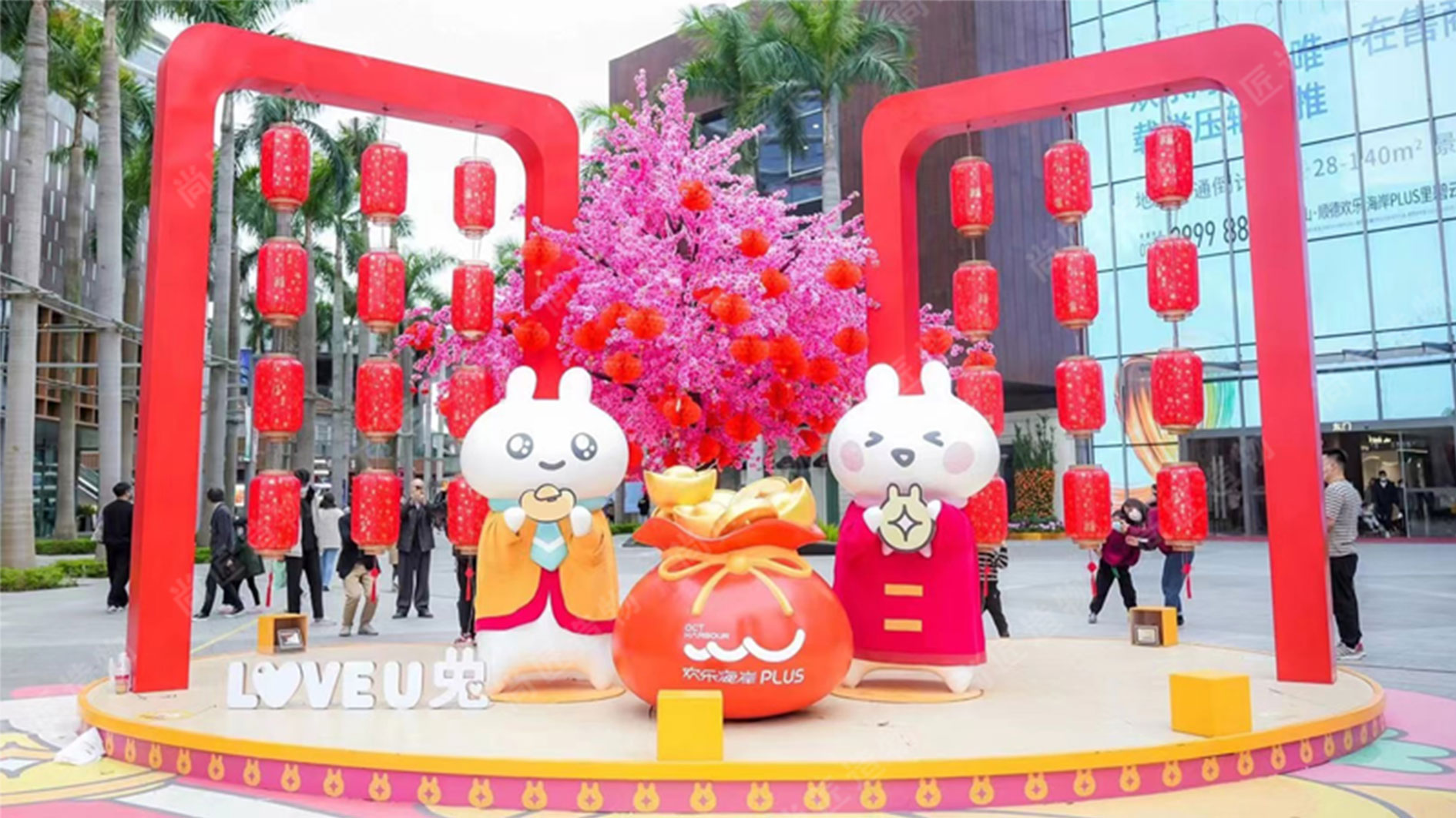
Efficient Techniques for Crafting Durable Sculptures on a Tight Budget
When creating sculptures on a budget, efficient techniques are key. Start by using a sturdy foam base, as it provides good support without hefty costs. Consider applying a layer of plaster bandage for added strength. This creates a solid outer shell that can also be shaped smoothly. For added durability, you can mix the plaster with PVA glue; this enhances adhesion and flexibility, reducing the risk of cracking. Another effective method is the use of fabric or burlap soaked in plaster to reinforce certain areas of your sculpture. Transitioning from traditional materials to these alternatives not only saves money but can also lead to unexpected artistic results. For detailed inspiration on similar projects, check out IP character sculpture.
Magical Materials to Replace Fiberglass in Sculpture Making
When looking for alternatives to fiberglass in sculpture making, there are several materials that can provide durability without the high cost. One option is polyurethane foam, which is lightweight and can be shaped easily. It also offers a sturdy finish when coated with a suitable sealant. Another alternative is epoxy resin combined with natural fibers like jute or sisal. These materials bond well and create a robust final product while maintaining a level of flexibility. Additionally, consider using high-density foam board for the base structure; it’s cost-effective and easy to work with. For finishing touches, paper mache or polymer clay can add detail and texture without the need for costly fiberglass solutions. Each of these options allows artists to craft striking pieces that hold up well over time while keeping budgets in check. For more on realistic sculpture techniques, check out Realistic sculpture.
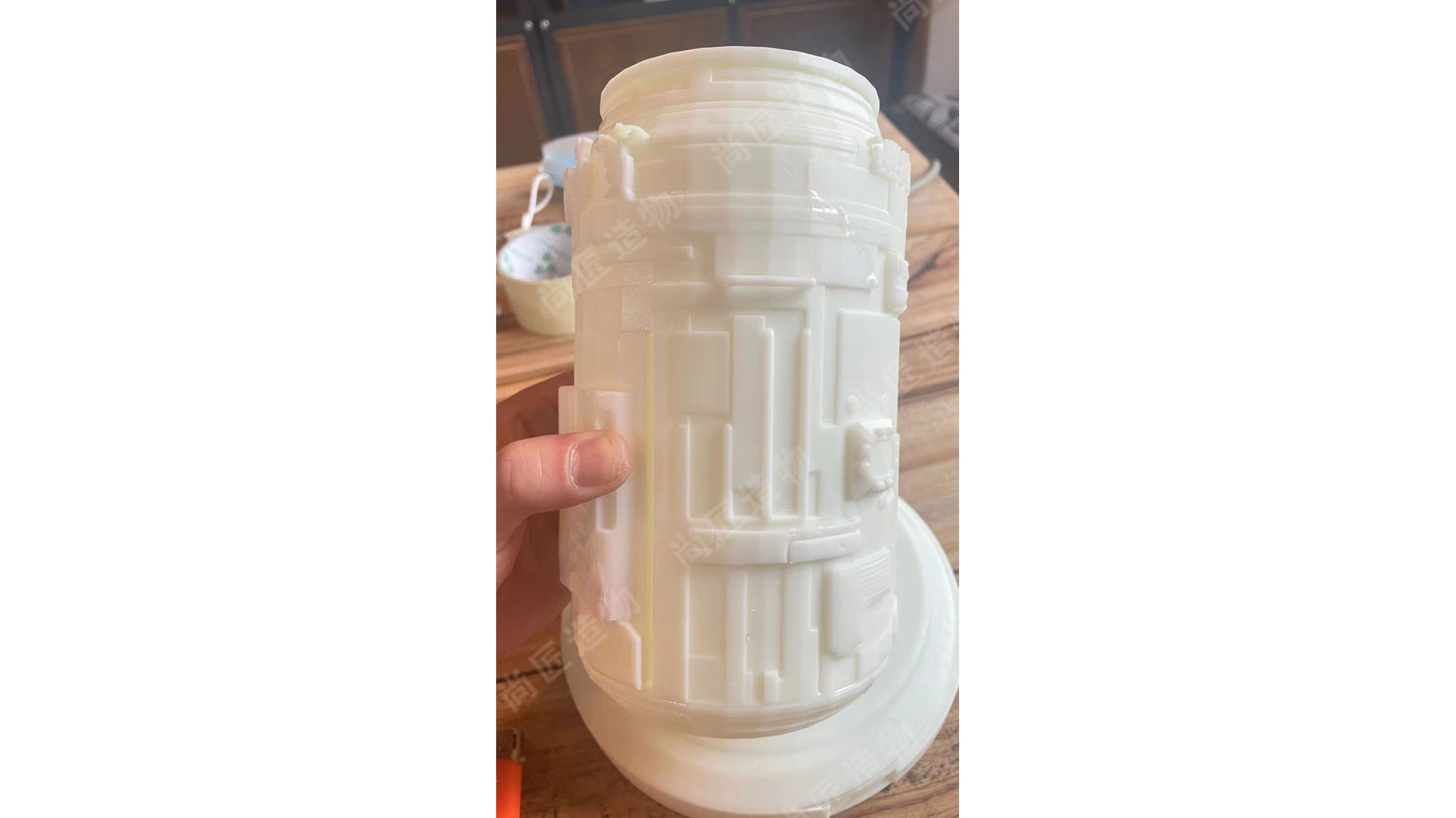
Tips for Cost-Effective Preparation of Fiberglass Sculptures
To prepare your fiberglass sculpture efficiently without spending too much, start by gathering essential materials that won't blow your budget. Use isopropyl alcohol to clean the surface, ensuring there are no residues that could affect adhesion. Lightly scraping the foam base will help improve the bond between layers. If your sculpture is pre-primed, don't skip sanding; this step can significantly enhance paint adherence. Additionally, consider using a budget-friendly primer that adheres well to both foam and fiberglass resin. When mixing resin, follow the manufacturer's guidelines carefully to avoid using excess materials. These straightforward preparation tips will set a solid foundation for your project while keeping costs manageable.
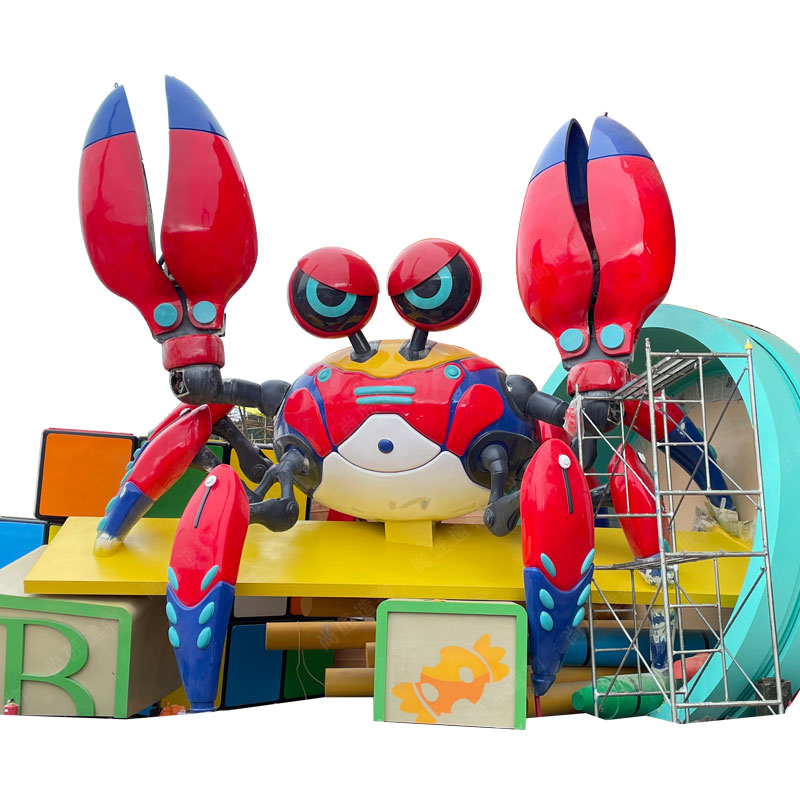
Transform Your Sculpture with Affordable and Reliable Materials
When seeking alternatives for fiberglass in your sculpture project, consider materials like resin composites or lightweight concrete. These options can provide both durability and a lower cost, making them suitable for artistic endeavors. For instance, resin composites are often easier to work with and can be molded into intricate shapes without the mess associated with fiberglass. If you prefer a more traditional approach, lightweight concrete mixed with additives can also offer strength without the hefty price tag. Furthermore, using materials like plywood or recycled plastics as a base can enhance the structure's integrity while keeping expenses low. Don’t forget to prep your surface well; a clean and sanded foundation will ensure your chosen material adheres effectively. Transitioning away from fiberglass doesn’t mean sacrificing quality; it’s simply about finding reliable alternatives that meet your artistic needs. For those considering other innovative materials, stainless steel offers an intriguing possibility for durability and aesthetic appeal in sculpture design.
Creating Stunning Monuments with Less Costly Options Than Fiberglass
When working on large sculptures like a giant coyote pelvis, exploring materials beyond fiberglass can save money while still achieving durability. One effective option is using a combination of wood and foam, which offers a sturdy base that can be easily shaped and carved. Additionally, consider materials like resin-infused burlap; this creates a hard outer shell while being more manageable and cost-effective than fiberglass. For finer details, paper clay mixed with a strong adhesive can provide a fine finish without the excessive cost. Remember to prepare surfaces correctly, as proper adhesion techniques significantly impact the sculpture's appearance and longevity. For those seeking further inspiration or ideas for different styles, check out Cartoon sculptureconcepts that push creative boundaries.
Essential Techniques for Ensuring Your Sculpture's Sturdiness and Quality
To achieve a sturdy sculpture, it’s critical to start with a solid framework. First, consider reinforcing your foam base with both internal supports and an outer skin. Utilizing a lightweight wood or metal structure can provide additional strength without adding much weight. Next, focus on surface preparation. Clean the sculpture thoroughly to remove any debris or oils, ensuring better adhesion for any materials you’ll apply later. For a more cost-effective approach, using a combination of paper mache and lightweight binding agents can enhance sturdiness while minimizing weight. Sanding the sculpture after applying these materials helps create a smoother finish for paint adherence. Lastly, explore alternative methods like incorporating Kinetic sculptureelements, which can add both visual interest and structural integrity to your piece. By applying these techniques, you can enhance the quality and durability of your sculpture while managing costs effectively.
Conclusion
Choosing budget-friendly alternatives to fiberglass opens a world of creative possibilities for sculptors. By exploring various materials, such as expanded polystyrene foam or polymer clay, artists can achieve striking results without overspending. Utilizing techniques like layering plaster or reinforcing structures with fabric can further enhance durability while remaining cost-effective. Proper surface preparation is fundamental in ensuring effective adhesion of the chosen materials, thus improving the overall quality of the sculpture. This innovative approach not only allows for artistic expression but also encourages resourcefulness in the creative process, ensuring that stunning sculptures can be made without breaking the bank.
FAQs
What materials can I use as alternatives to fiberglass in sculpture making?
You can use expanded polystyrene foam, polymer clay, epoxy resin with natural fibers, and lightweight concrete as effective alternatives.
How can I ensure the durability of a budget-friendly sculpture?
Start with a sturdy foam base, apply plaster bandage for strength, and consider mixing plaster with PVA glue to improve flexibility.
Are there techniques to enhance the adhesion of materials used in sculpting?
Yes, cleaning surfaces, lightly scraping the base, and applying a budget-friendly primer can significantly enhance adhesion.
What preparation tips are essential before starting on a sculpture?
Gather all necessary materials, clean surfaces thoroughly with isopropyl alcohol, and sand any pre-primed areas to ensure better bond strength.
Can using cheaper materials affect the final appearance of my sculpture?
While alternatives can save costs, careful selection and preparation can yield equally impressive aesthetics without compromising quality.