ch
ch English

Stainless steel has emerged as a foundational material in the realm of kinetic sculpture, largely due to its combination of durability and aesthetic appeal. Its ability to withstand varying weather conditions allows artists to install these sculptures in diverse environments, ensuring longevity. The reflective surface of stainless steel enhances visual experiences by interacting with light, bringing dynamic elements into play as the sculptures move. Moreover, the versatility of stainless steel permits artists to explore intricate designs that emphasize motion while integrating mechanical components for added movement. This makes each piece not just a visual spectacle but also a vibrant part of the surrounding space, inviting viewers to engage actively with the artwork. In this way, stainless steel plays a crucial role in pushing the boundaries of kinetic art, offering new avenues for creative expression and audience interaction.
The Fascinating Intersection of Movement and Stainless Steel in Kinetic Sculpture
Stainless steel has become a popular choice in kinetic sculpture due to its unique combination of strength, durability, and aesthetic appeal. This material not only withstands various weather conditions but also exhibits a sleek, modern look that enhances the sense of movement within the artwork. As kinetic sculptures often rely heavily on motion to create visual excitement, the reflective surface of stainless steel adds an interesting dynamic by interacting with light.
Additionally, sculptors can utilize the malleability of stainless steel to craft intricate designs that emphasize motion. By integrating bearings and other mechanical components, artists can create pieces that rotate, sway, or even respond to environmental influences like wind. These elements transform static viewing into engaging experiences, inviting audiences to explore the artwork from different angles.
"In kinetic sculpture, movement makes art come alive."
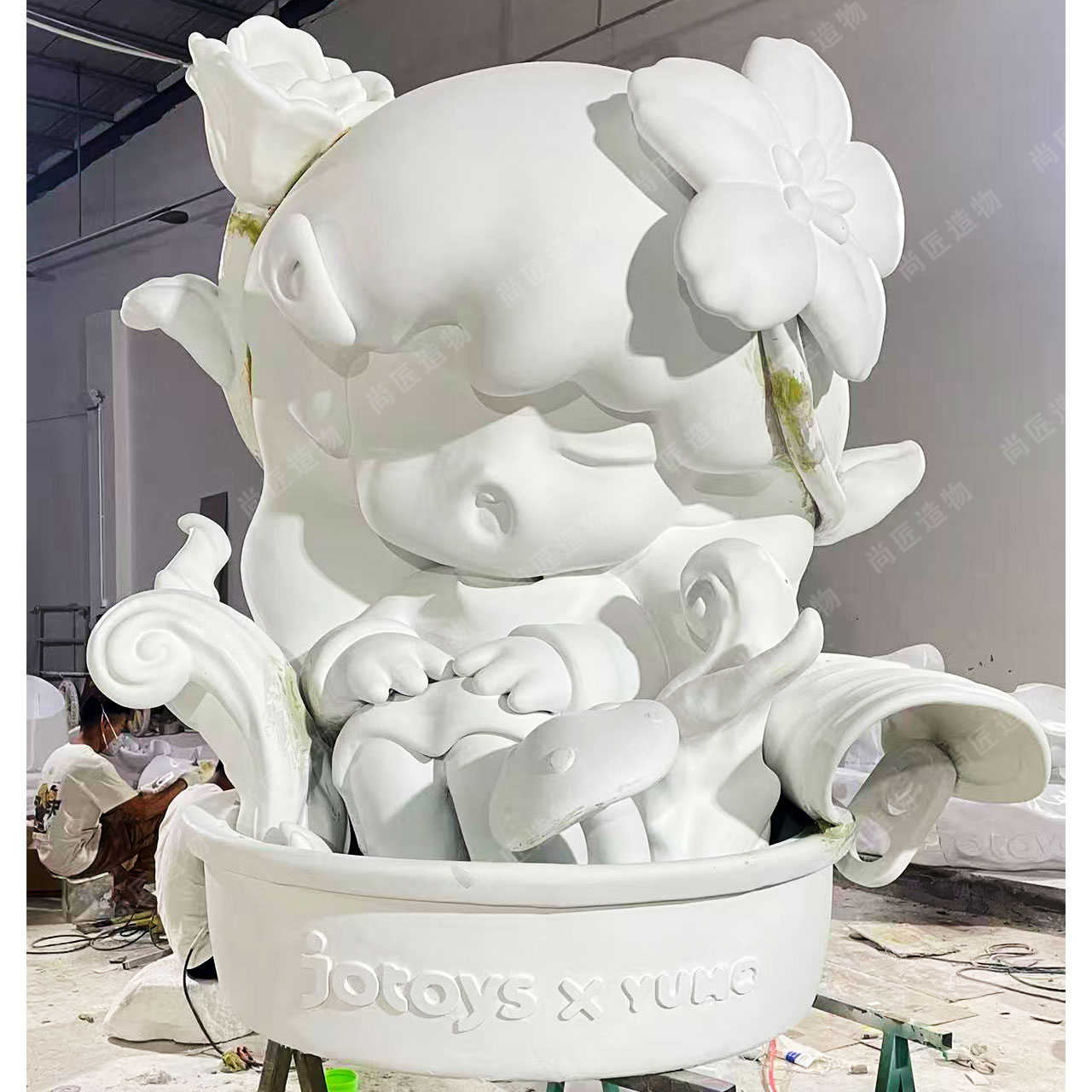
By choosing stainless steel as their primary material, artists are not just creating sculptures; they are inventing immersive experiences that captivate and inspire. For those interested in complementary forms of artistic expression like cartoon sculptures, consider exploring Cartoon sculpturefor a different perspective on how form and movement can interact effectively.

Unveiling the Beauty: How Stainless Steel Enhances Kinetic Art
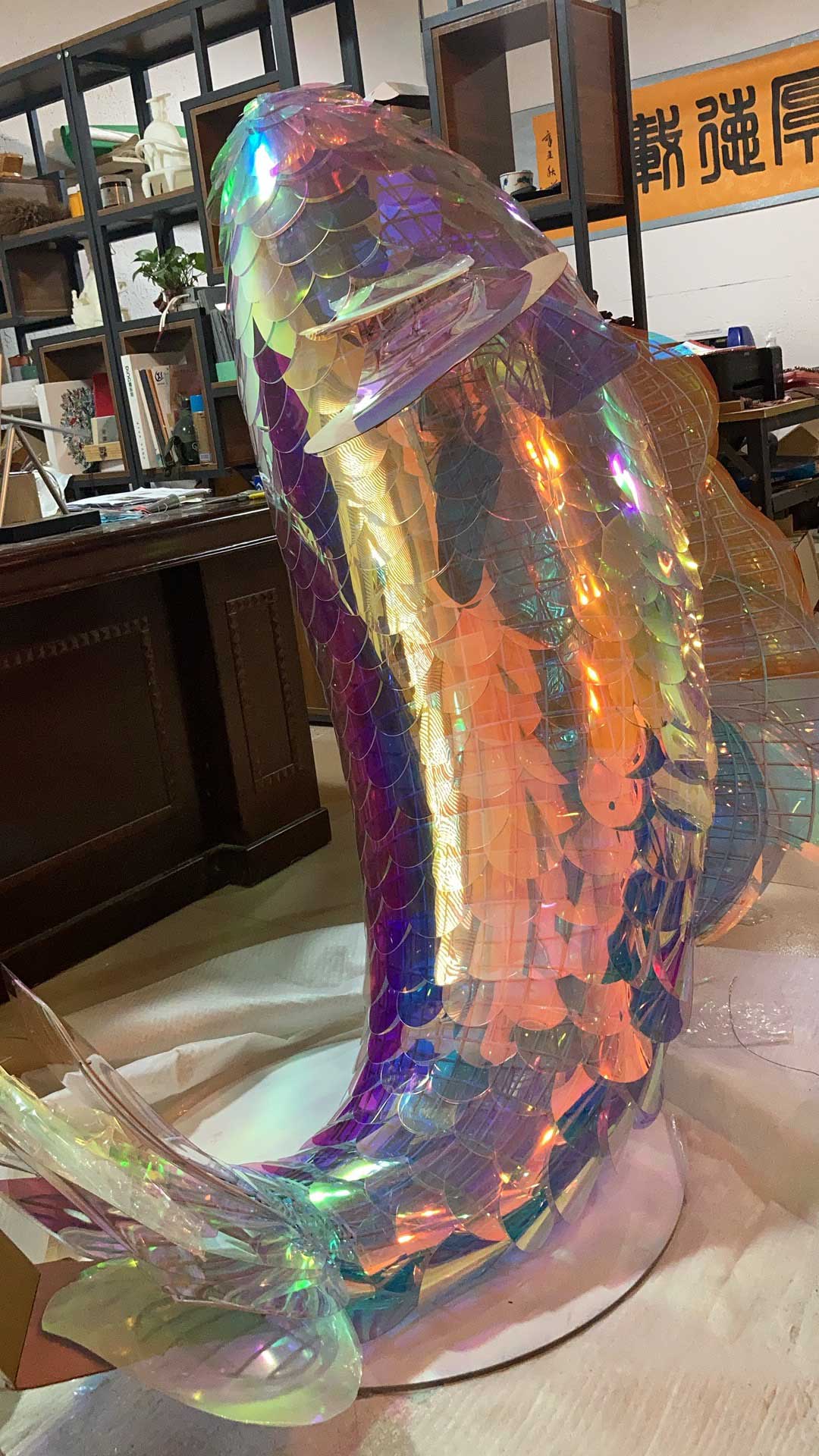
Stainless steel plays a crucial role in kinetic art, primarily due to its unique properties that contribute to the overall aesthetic and functionality of sculptures. This material is not only durable but also possesses a remarkable ability to reflect light, enhancing the visual impact of kinetic sculptures. The interplay of light and movement creates dynamic visual experiences that captivate observers. Additionally, stainless steel's versatility allows artists to craft intricate designs that can sway, spin, or rotate, bringing their creations to life. Furthermore, the strength of stainless steel ensures that these artworks can endure outdoor conditions without losing their charm. As artists embrace this medium, they continue to explore innovative ways to showcase movement and form in captivating ways within the realm of Kinetic sculpture.
The Role of Material: Why Stainless Steel is Essential for Kinetic Sculptures
Stainless steel is a key material in the creation of kinetic sculptures, offering both durability and aesthetic appeal. Its strength allows artists to design complex structures that can withstand various environmental conditions without compromising their integrity. This resilience is crucial, as kinetic sculptures often incorporate moving parts that need to function smoothly over time. Additionally, stainless steel's sleek surface can reflect light and enhance visual impact, making each piece eye-catching. The versatility of stainless steel enables artists to play with different forms and finishes, resulting in artworks that not only move but also interact with their surroundings in dynamic ways. Its unique properties make it an ideal medium for those pushing the boundaries of kinetic art, inviting viewers to engage with movement in fresh and innovative manners. For more on related artistic concepts, explore IP character sculpture.
Dynamic Design: The Impact of Movement in Stainless Steel Artworks
Stainless steel sculptures create a captivating experience through their movement, drawing viewers into a dynamic interaction with the art. The reflective surfaces of these sculptures catch light from various angles, emphasizing their form and enhancing the perception of motion. As wind or human interaction causes these pieces to shift, they transform the viewer's experience, making each moment unique. This fluidity not only showcases the artist's creativity but also challenges traditional perceptions of static art. The seamless integration of movement with a robust material like stainless steel invites contemplation about the relationship between form and motion, pushing observers to engage more deeply with the artwork. Such interactions highlight how movement can redefine artistic expression in contemporary sculpture, making it an exciting field for both artists and audiences alike.
Pushing Creative Boundaries with Kinetic Sculpture and Stainless Steel
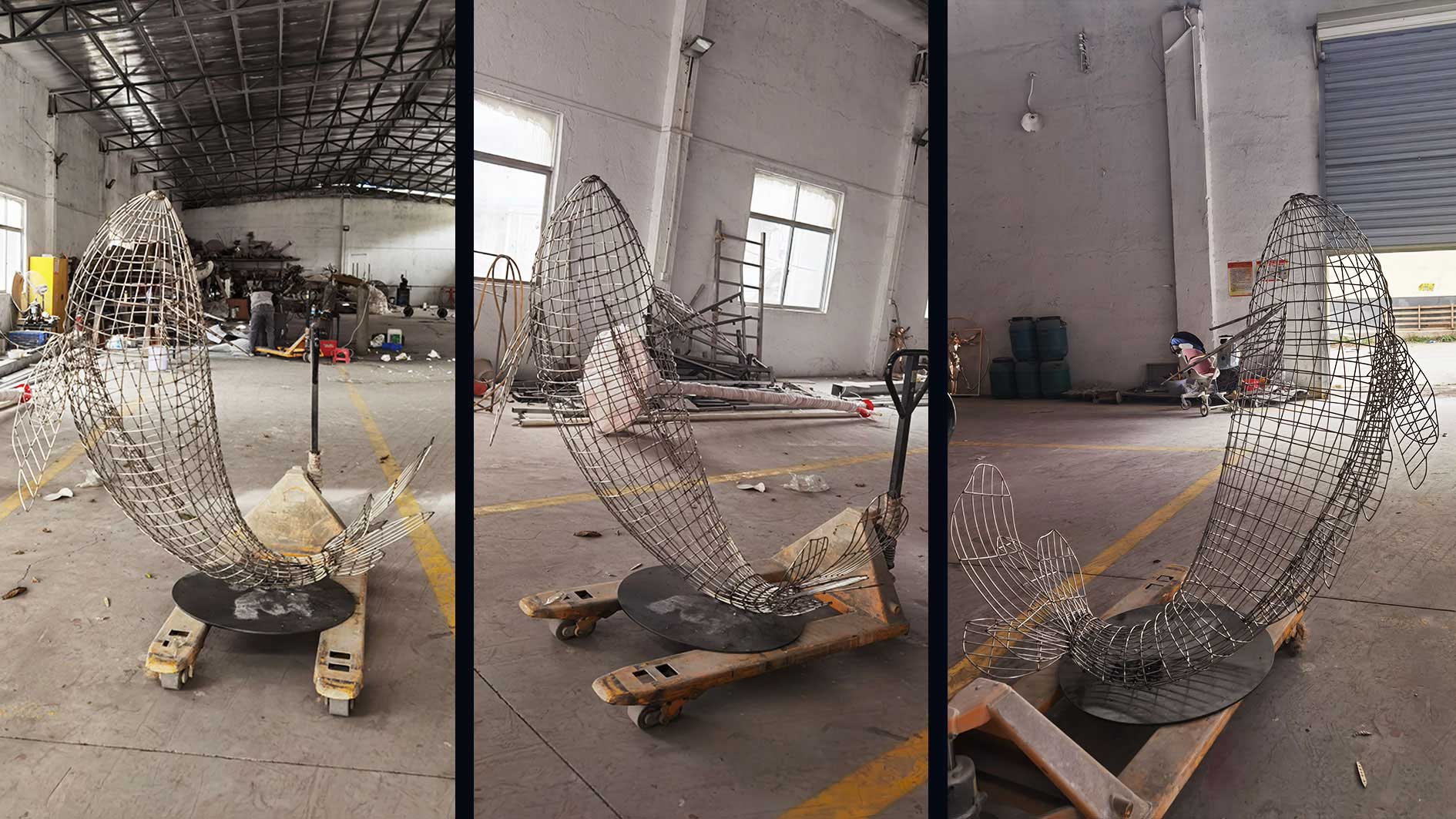
Kinetic sculpture challenges traditional art forms by incorporating movement, and stainless steel plays a crucial role in this evolution. The reflective quality of stainless steel enhances visual appeal, allowing sculptures to interact with light and their surroundings dynamically. Artists can create designs that not only move but also reflect and distort images, engaging viewers in unexpected ways. The versatility of stainless steel enables intricate mechanisms that facilitate movement, pushing boundaries further. This material allows for larger structures that maintain structural integrity while captivating audiences with their elegance and motion. By integrating kinetic elements, artists transform static spaces into lively experiences, inviting viewers to engage with art actively rather than passively observing it.
Kinetic Networking: The Relationship Between Form and Function in Steel Sculptures
In kinetic sculptures, the interplay between form and function is crucial. The design of these artworks often emphasizes both aesthetic appeal and mechanical movement. Stainless steel, known for its durability and reflective surface, plays a significant role in enhancing this relationship. The material's ability to withstand the elements allows for installations in various environments, while its sleek finish captures light and engages viewers. This dynamic interaction elevates the viewer’s experience, inviting them to appreciate how movement informs the structure's form. As sculptures rotate or shift, they create a visual dialogue that stimulates curiosity, making stainless steel an essential material in kinetic art. This blend of aesthetic and functional elements demonstrates how steel sculptures can transcend traditional static art forms to become living, breathing entities within their spaces. For more on this topic, consider exploring Stainless steel sculpture.

Enhancing Visual Experiences Through Kinetic Stainless Steel Sculptures
Kinetic stainless steel sculptures transform spaces by engaging viewers with their movement and reflection. The polished surfaces of these sculptures capture light in unique ways, creating an interplay between the sculpture and its surroundings. As they move with the breeze or through mechanical means, they not only attract attention but also invoke curiosity and awe. The dynamic nature of these pieces invites audience interaction, making each viewing experience distinct. Additionally, the versatility of stainless steel allows for innovative designs that challenge conventional forms, pushing the boundaries of artistic expression. By integrating kinetic elements into their structure, artists craft narratives through movement, turning static viewing into a participatory experience. This focus on movement plays a crucial role in enhancing visual encounters with art, leading to more profound contemplations on form and function in contemporary sculpture. For more on related topics, explore Realistic sculpture.
Exploring Innovative Techniques in Kinetic Art Using Stainless Steel
Innovative techniques in kinetic art have redefined how artists use stainless steel to create dynamic sculptures. One such technique involves the precise engineering of moving parts that react to environmental elements like wind and light. This not only enhances the aesthetic appeal but also transforms the viewer's experience as the sculpture shifts and changes in real time. For instance, artists often integrate bearings and counterbalances to allow for smooth movement, giving life to forms that seem to dance or flow. The reflective surface of stainless steel adds another layer of interaction, as it plays with light and shadows, making each viewing unique. Moreover, advancements in technology enable artists to experiment with automated mechanisms, allowing for intricate movements that were once impossible to achieve manually. By combining traditional craftsmanship with modern technology, kinetic sculpture continues to captivate audiences and push creative boundaries in the art world.
Conclusion
The intersection of stainless steel and kinetic art showcases a remarkable evolution in contemporary sculpture. Artists have embraced the material's unique qualities to create dynamic pieces that engage audiences on multiple levels. The ability of stainless steel to reflect light not only enhances the sculptures' aesthetic appeal but also draws viewers into a dialogue with the artwork. This relationship between form and movement invites a deeper appreciation for how kinetic sculptures redefine traditional boundaries. By blending innovative designs with durable materials, creators continue to push the limits of artistic expression, ensuring that kinetic art remains a captivating field for exploration and interaction. As spectators navigate these immersive experiences, they are reminded of the inherent beauty in motion and the thoughtful craftsmanship behind each piece.
FAQs
What makes stainless steel a preferred material for kinetic sculptures?
Stainless steel is favored for its durability, resistance to corrosion, and aesthetic qualities that enhance the visual impact of kinetic sculptures.
How does movement affect the viewer's experience of kinetic sculptures?
Movement invites viewers to engage more with the artwork, creating unique interactions and transforming how they perceive and appreciate the piece.
What role does light play in kinetic stainless steel sculptures?
The reflective surface of stainless steel interacts with light, creating dynamic visual effects that change as the sculpture moves, enriching the overall experience.
Can stainless steel sculptures withstand outdoor conditions?
Yes, stainless steel is known for its resilience and can endure various outdoor conditions while maintaining its structural integrity and appearance.
How do artists integrate movement into their stainless steel sculptures?
Artists often use mechanical components like bearings to allow for smooth movements, enabling designs that sway or rotate in response to environmental factors.