ch
ch English

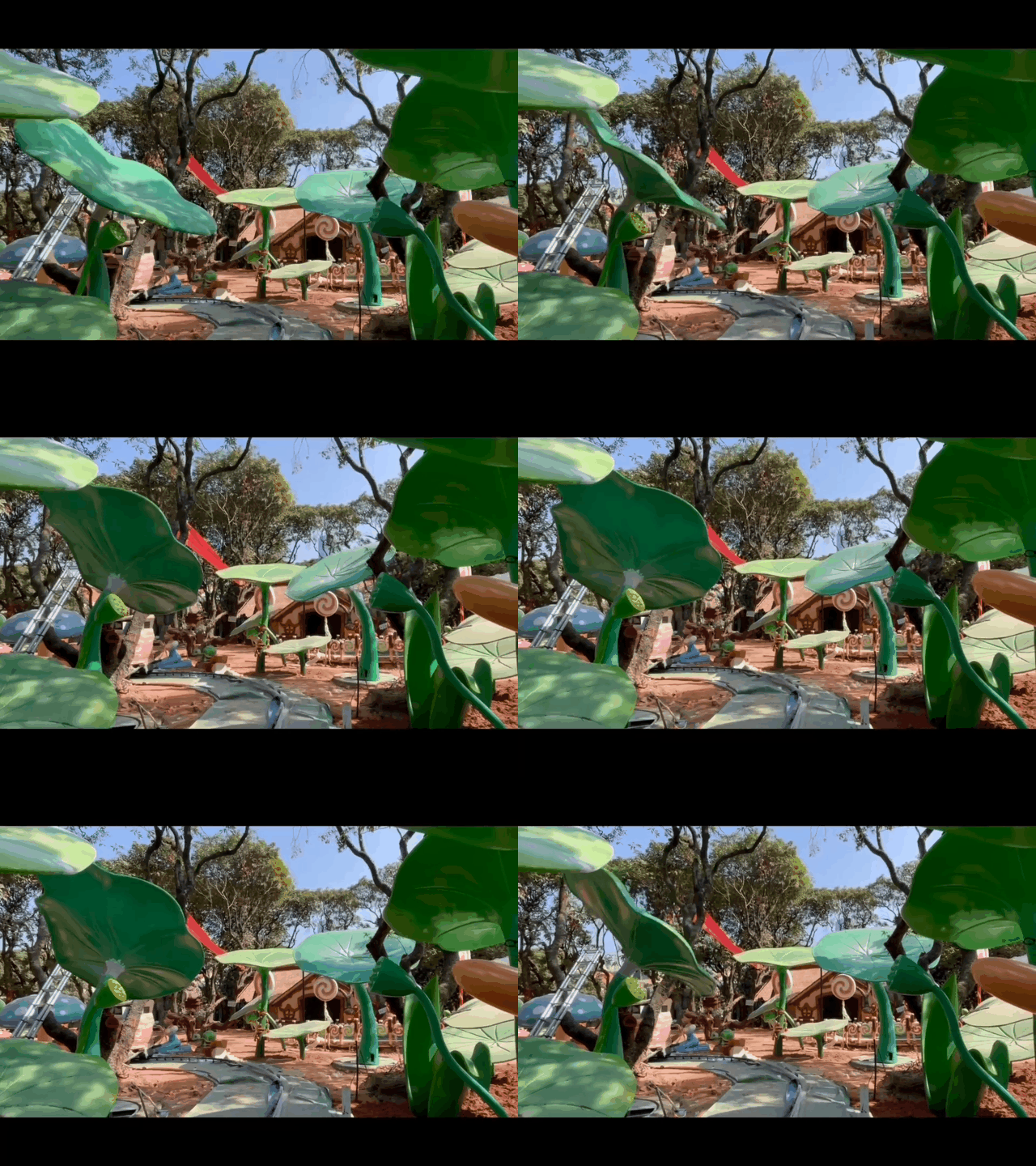
Using weather-resistant fiberglass (FRP) in outdoor art installations presents numerous advantages that enhance both longevity and aesthetic value. The durability of FRP means that sculptures can thrive in various environmental conditions without losing their structural integrity. This material's lightweight nature facilitates installation, making it easier for artists to bring their visions to life and adjust placements as needed. Notably, FRP's resistance to fading and corrosion ensures that colors remain vibrant and sculptures stay appealing over time. Such qualities make FRP a practical choice for public art, transforming communal spaces while requiring minimal maintenance. Ultimately, these benefits highlight why fiberglass has become a favored material for artists dedicated to creating resilient and visually captivating outdoor installations.
Benefits of Weather-Resistant Fiberglass in Outdoor Art
Weather-resistant fiberglass (FRP) offers several advantages for outdoor art installations. One of the primary benefits is its durability. Unlike traditional materials, fiberglass can withstand a range of weather conditions, from intense sun to heavy rain, without degrading over time. This ensures that art pieces maintain their aesthetic appeal and structural integrity.
Aesthetic appeal is another key factor; FRP can be molded into intricate designs and vibrant colors that enhance the visual impact of sculptures in public spaces. Additionally, its lightweight nature allows for easier installation and positioning without compromising quality.
Furthermore, fiberglass is resistant to corrosion and fading, which makes it ideal for artworks exposed to harsh elements. The use of FRP not only supports innovative design but also promotes sustainability in outdoor artwork. This blend of functionality and beauty makes fiberglass an excellent choice for artists aiming to create long-lasting public installations.
| Advantages | Description |
|---|---|
| Durability | Withstands weather extremes without damage |
| Aesthetic Appeal | Allows intricate designs and bright colors |
| Lightweight | Facilitates easier installation |
| Corrosion Resistance | Protects against environmental wear |
| Sustainability | Contributes to long-lasting art pieces |
For more on realistic sculpture options, visit Realistic sculpture.
Exploring Durability and Aesthetic Appeal of FRP Sculptures
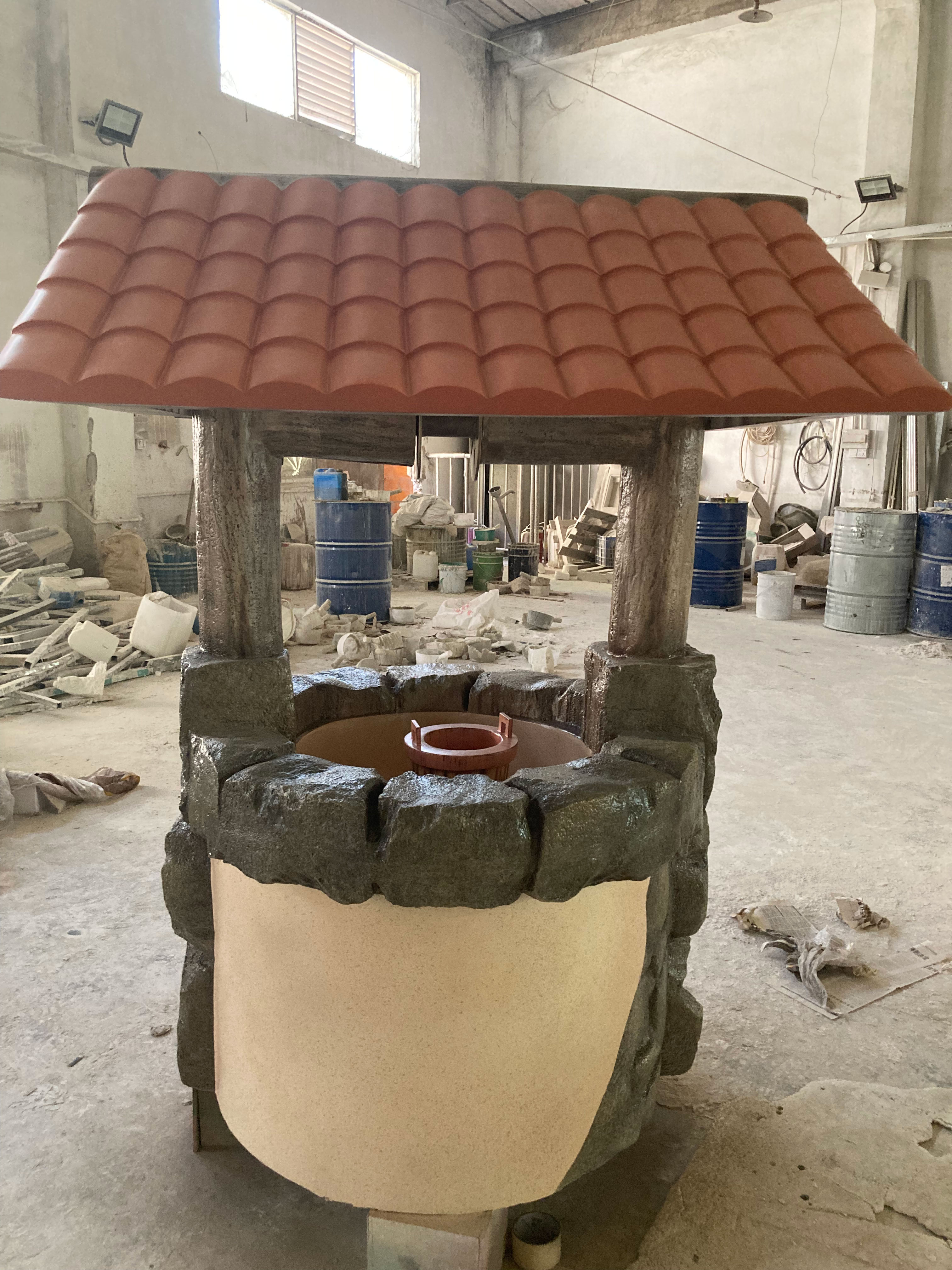
Weather-resistant fiberglass (FRP) sculptures offer a unique combination of strength and beauty, making them an ideal choice for outdoor art installations. FRP materials are inherently resistant to corrosion, moisture, and UV radiation, ensuring that art pieces maintain their vibrant colors and structural integrity over time.
"By using FRP, artists can create stunning sculptures that not only capture attention but also stand the test of time in the face of harsh weather conditions."
The lightweight nature of fiberglass allows for intricate designs that can be both bold and delicate. This versatility in shape and design brings an aesthetic appeal to public spaces while ensuring that the installations can withstand the elements without compromising their appearance. Additionally, artists have the freedom to explore varying textures and colors with fiberglass, enhancing the visual impact of their work.
As public appreciation for outdoor artistry grows, selecting materials like FRP can lead to enhanced engagement with community spaces while ensuring longevity. This balance of durability and eye-catching aesthetics is crucial in creating compelling outdoor environments where art thrives.
Resilience of FRP Art Installations Against Environmental Challenges
Weather-resistant fiberglass (https://en.artmovr.com/), making it easier to transport and position artworks across various landscapes. Overall, the resilience of FRP sculptures allows them to thrive in challenging conditions while continuing to offer aesthetic value to their surroundings.
Why Choose Weather-Resistant Materials for Outdoor Sculptures?
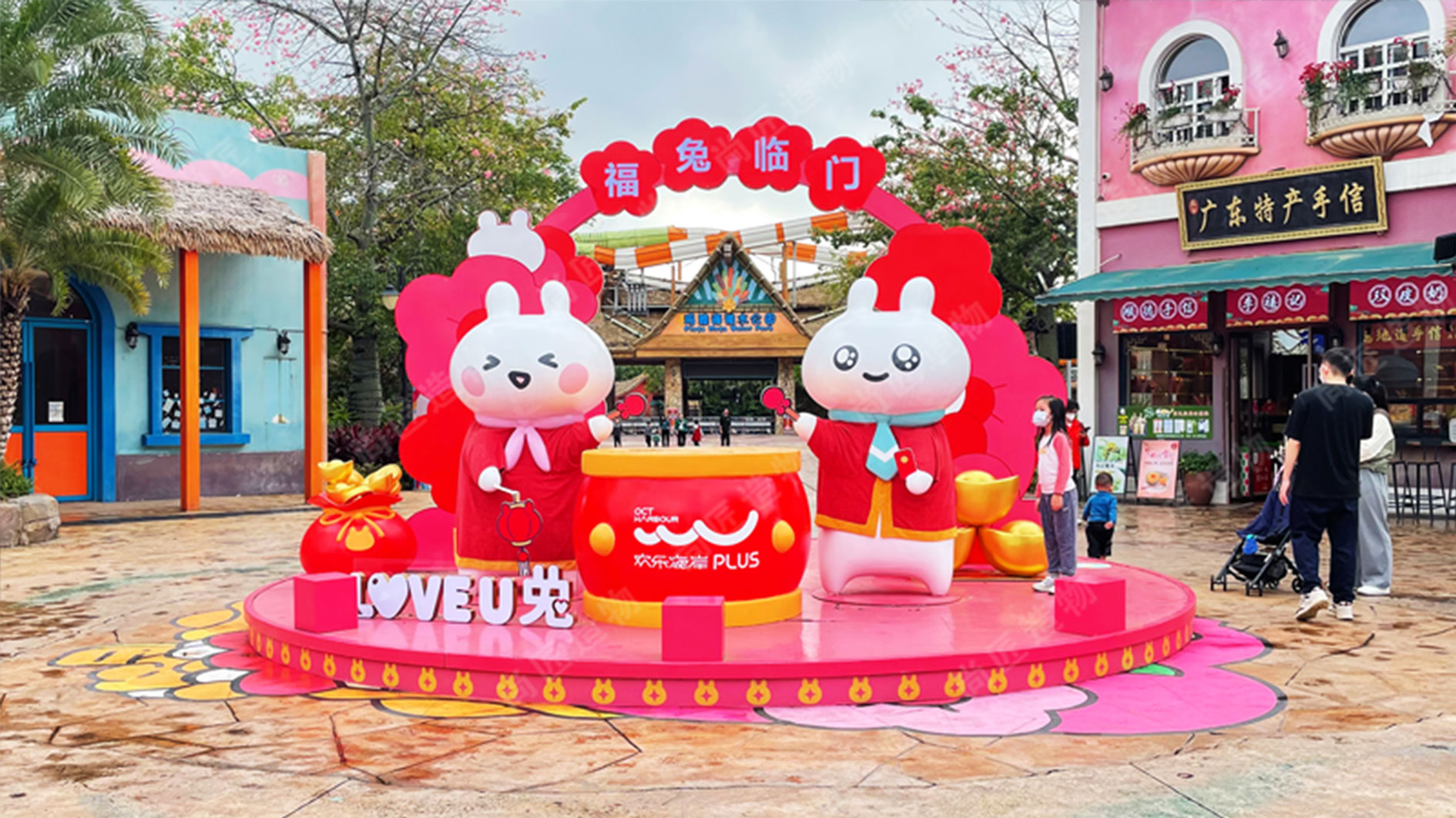
Selecting weather-resistant materials for outdoor sculptures is essential to ensure their longevity and aesthetic appeal. Fiberglass reinforced polymer (FRP) provides a strong yet lightweight option that can withstand harsh environmental conditions, such as UV rays, rain, and temperature fluctuations. Unlike traditional materials like wood or metal, FRP does not corrode or rot, which means it maintains its structural integrity over time. Moreover, the versatility of fiberglass allows artists to create intricate designs without compromising durability. By choosing such materials, sculptors can enhance public spaces with art that not only looks good but also stands the test of time and various weather challenges. This choice ultimately contributes to sustainable artwork that enriches outdoor environments for years to come.

Enhancing Public Spaces with FRP Art Installations
FRP art installations play a significant role in transforming public spaces by offering unique visual experiences that engage communities. Their lightweight nature allows for versatile designs, enabling artists to create pieces that might be challenging with traditional materials. Additionally, the variety of finishes and colors available in fiberglass ensures that these installations can complement diverse environments, from urban settings to tranquil parks. The resilience of FRP to weather elements guarantees these artworks retain their aesthetic over time, requiring minimal maintenance while enhancing the surrounding area. As cities and towns look for innovative ways to beautify public spaces, FRP sculptures stand out as a practical choice that balances creativity with functionality. Such installations often become focal points, fostering community interaction and appreciation for the arts in outdoor environments.
The Role of Fiberglass in Sustainable Outdoor Artwork
Fiberglass reinforced plastic (FRP) plays a crucial role in creating sustainable outdoor artwork. Its lightweight nature allows for easier transportation and installation, making it a favorite among artists and designers. Additionally, FRP is resistant to weather-related damage, which is essential in outdoor settings. This durability means that sculptures can maintain their appearance and structural integrity for years, reducing the need for frequent repairs or replacements. The ability to mold fiberglass into intricate shapes also enhances the visual appeal of sculptures. As artists strive to create striking pieces for public spaces, integrating FRP ensures that aesthetics do not compromise durability. By choosing materials like fiberglass, creators contribute to sustainability by minimizing waste and extending the lifespan of their artworks. This thoughtful approach not only enriches community environments but also elevates the overall impact of outdoor installations.
Key Advantages of Using Weather-Resistant Fiberglass in Sculpture Design
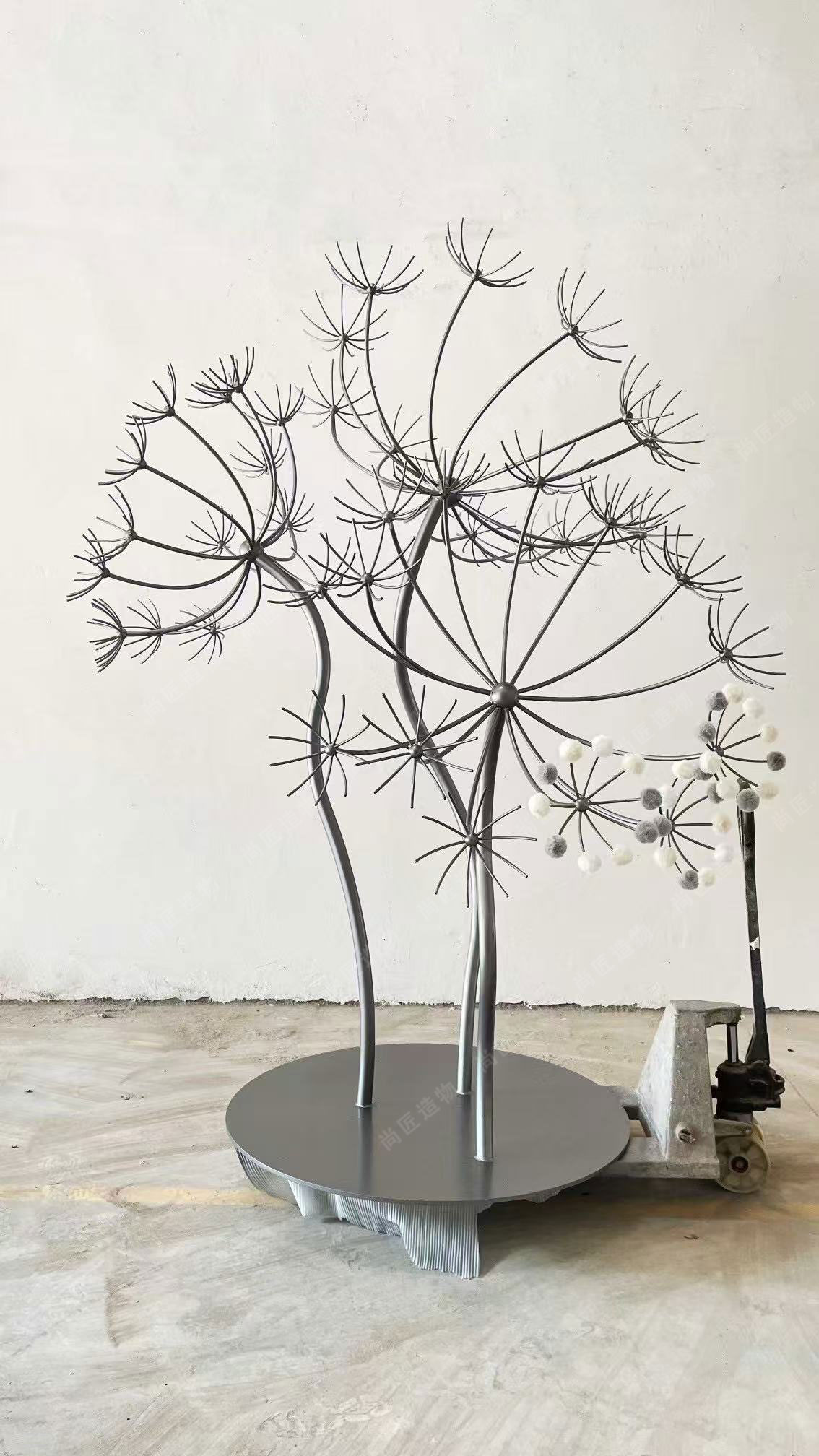
Weather-resistant fiberglass, or FRP, offers several key advantages for outdoor sculptures. First, its lightweight nature simplifies the installation process, allowing for easier handling and repositioning of large sculptures. This material is highly resistant to harsh weather conditions, such as rain, snow, and intense sunlight, which can damage traditional materials over time. Additionally, FRP can mimic the look of stone or metal while being more cost-effective and requiring less maintenance. This combination of durability and cost-efficiency makes FRP an excellent choice for artists looking to create visually compelling installations that stand the test of time. Furthermore, its versatility allows artists to achieve intricate designs without sacrificing strength or longevity, thus enhancing both artistic expression and functionality in public spaces.
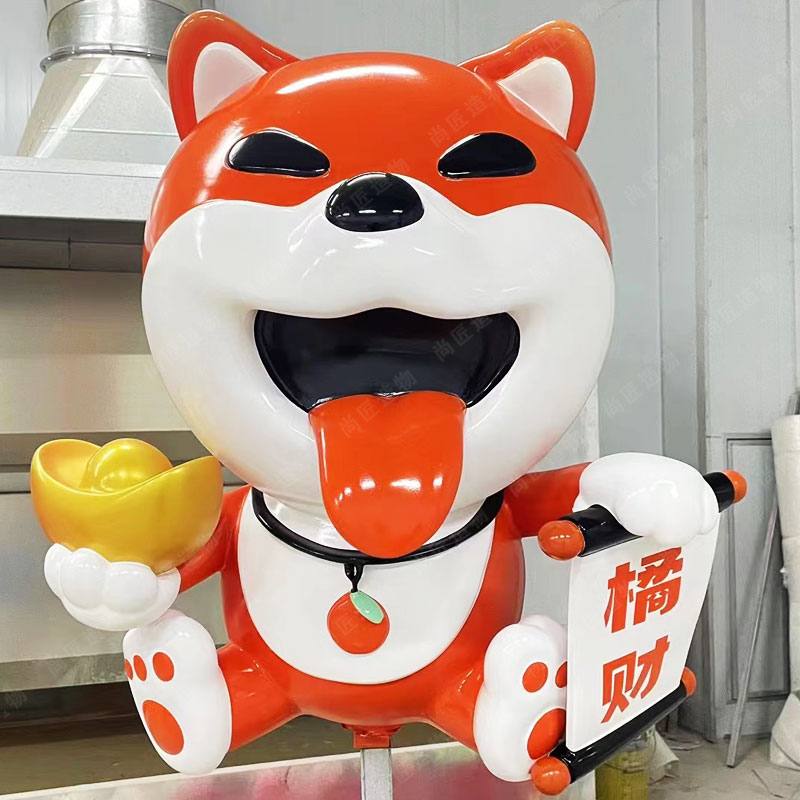
How FRP Combines Functionality and Beauty in Artistic Installations
FRP, or fiberglass reinforced plastic, serves as an excellent choice for outdoor art installations due to its unique combination of functionality and aesthetic appeal. One of the key advantages of FRP is its lightweight nature, making it easier to handle and install without sacrificing strength or structural integrity. This material can be molded into intricate shapes, allowing artists to express their creativity while meeting engineering standards. Additionally, FRP is available in various textures and colors, enabling diverse artistic expressions that can enrich public spaces.
Moreover, the durability of FRP ensures that art installations can withstand harsh weather conditions. Its resistance to corrosion and UV rays means that colors remain vibrant over time, while also requiring minimal maintenance. This longevity not only benefits artists but also enhances viewer appreciation as the artworks retain their beauty in various environments. In this way, FRP stands out as a versatile option that encourages innovation in outdoor sculpture design while ensuring functional resilience.
Conclusion
In conclusion, weather-resistant fiberglass art installations provide a compelling option for outdoor sculpture due to their blend of durability and aesthetic versatility. These materials not only withstand various environmental conditions but also allow artists to create imaginative and intricate designs. As public spaces increasingly embrace outdoor art, the resilience and low maintenance needs of FRP sculptures ensure that these works can thrive for years to come. Additionally, the eco-friendly nature of fiberglass aligns with modern artistic practices, promoting sustainability in public art projects. The choice of fiberglass represents a forward-thinking approach to design that is both functional and visually striking, enhancing the artistic landscape in communities across various climates.
FAQs
What is the lifespan of fiberglass art installations?
Fiberglass art installations can last for many years, often exceeding a decade, due to their resistance to degradation from weather elements.
Are FRP sculptures easy to maintain?
Yes, FRP sculptures require minimal maintenance compared to traditional materials; they don’t rust or rot and maintain their color over time.
Can fiberglass be used for intricate designs?
Absolutely, fiberglass can be molded into detailed shapes and vibrant colors, allowing artists greater creative freedom.
How do FRP sculptures react to extreme weather?
FRP is designed to withstand extreme weather conditions, including UV rays, heavy rain, and temperature fluctuations without losing structural integrity.
What are the environmental benefits of using FRP in outdoor art?
Using FRP contributes to sustainability as it reduces waste and extends the lifespan of artworks while minimizing maintenance needs.