ch
ch English
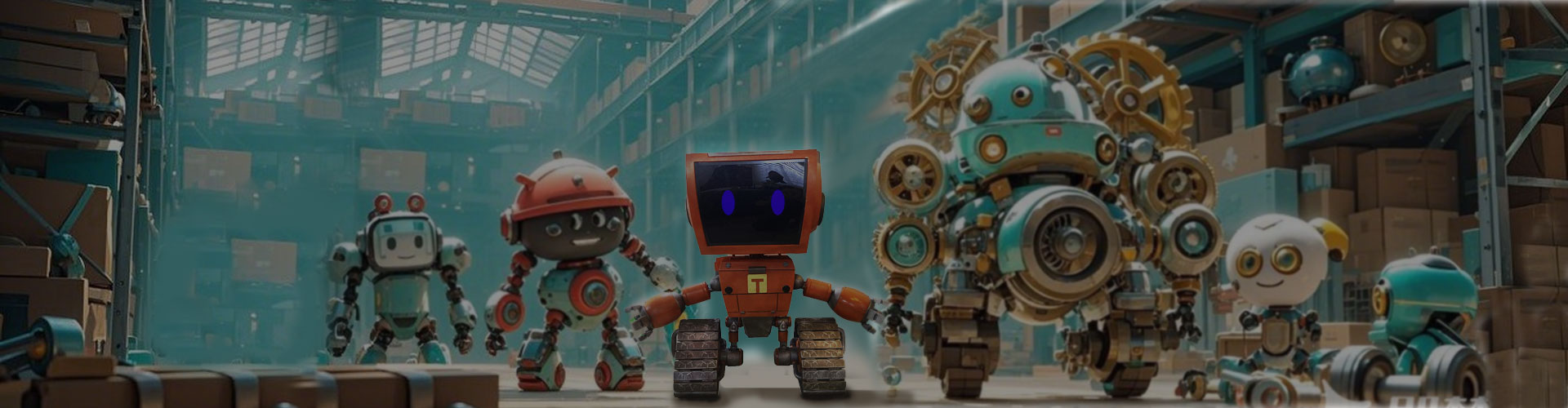
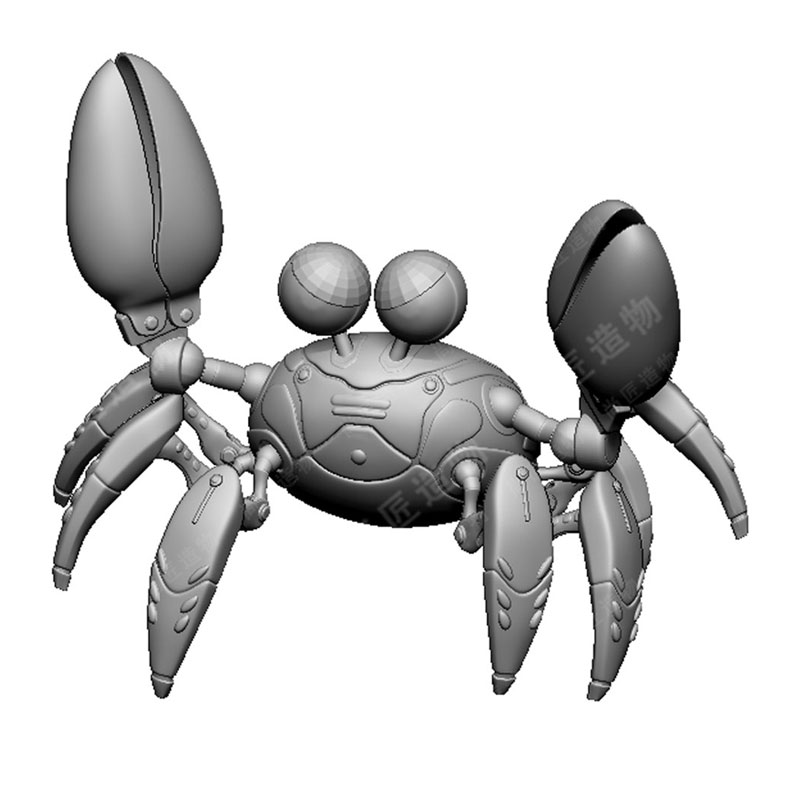
FRP sculptures are at the forefront of blending art with branding, offering unique advantages for creating mascot figures. The lightweight nature of fiber-reinforced plastic allows for intricate and vibrant designs that embody a brand's identity. Artists can craft detailed mascots that engage audiences through dynamic colors and resilient forms, making them suitable for various environments, particularly outdoor displays. The process of creating these sculptures typically begins with a conceptual phase, followed by prototype development and final casting. This synergy between creativity and branding not only enhances visual appeal but also fosters emotional connections with consumers. As artists continue to innovate with FRP, the potential for compelling brand storytelling through sculpture expands significantly.
Bringing Characters to Life: The Art of FRP Sculptures
FRP, or fiber-reinforced plastic, has emerged as a revolutionary material in the world of sculpture, especially for creating branded mascots. Artists appreciate its lightweight nature and flexibility, which allow for intricate designs that capture the essence of beloved characters. Whether it’s a playful mascot or a complex figure, FRP sculptures can be molded into various shapes and sizes while resisting environmental damage. This resilience enhances their appeal for outdoor installations. Additionally, the vibrant colors achievable with FRP help bring characters to life in dynamic ways. Brands benefit from this transformative process, as these sculptures not only serve as eye-catching installations but also evoke emotional connections with audiences. Artists merge creativity with branding to produce engaging pieces that are both aesthetically pleasing and commercially impactful. The fusion of art and branding is evident in these sculptures, making them standout features in many public spaces. For a broader understanding of this artistic medium, you can also explore Kinetic sculptureas a related art form.
The Intersection of Branding and Art: FRP Mascot Sculptures
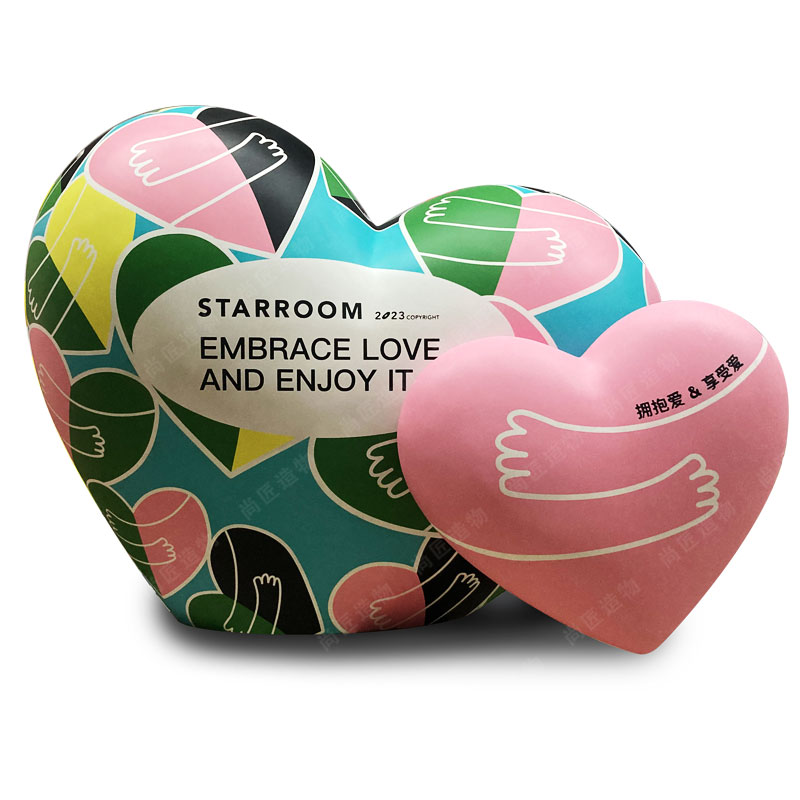
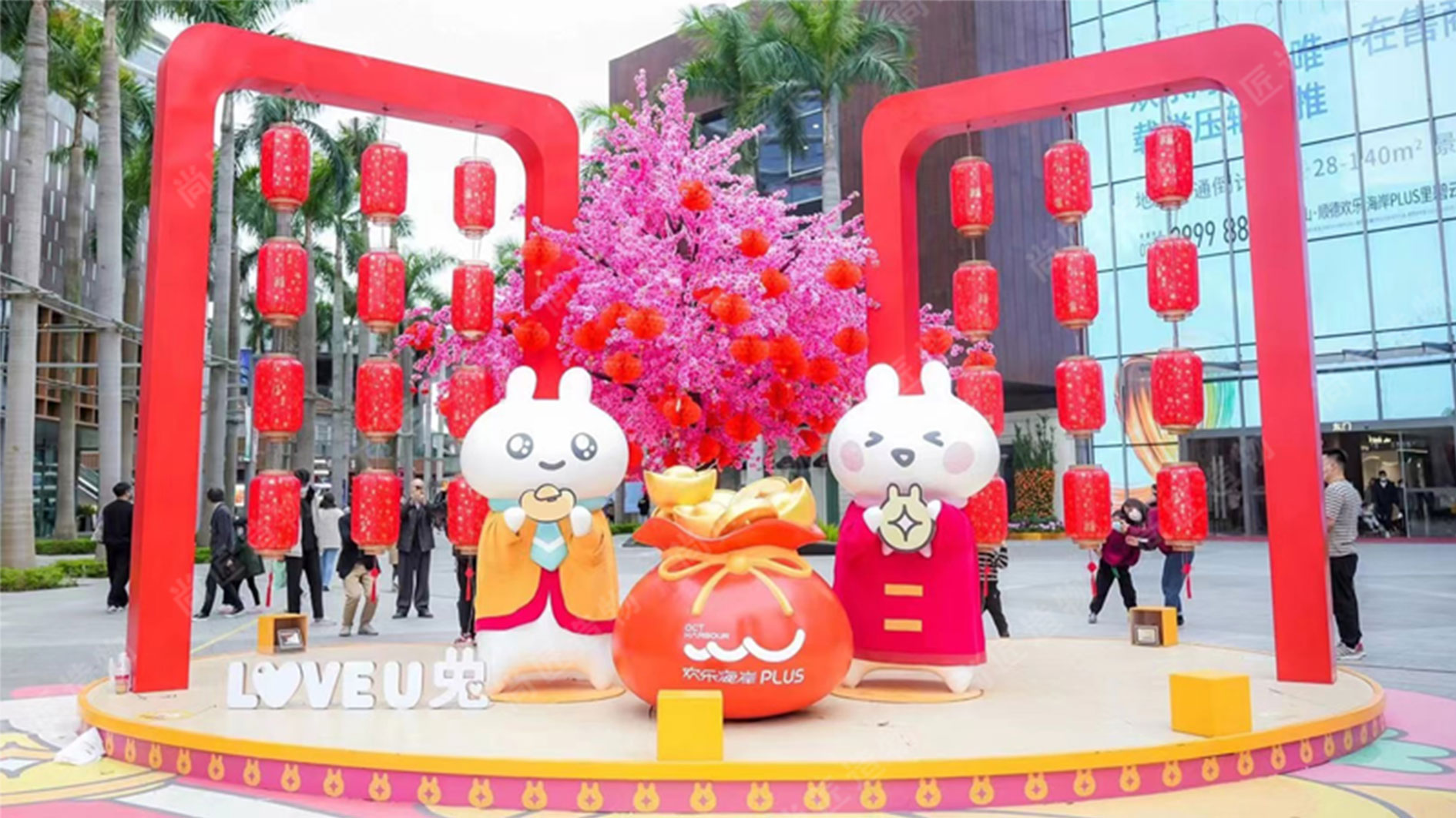
FRP (Fiberglass Reinforced Plastic) mascot sculptures serve as a vibrant intersection between branding and art, breathing life into corporate identities. These colorful figures not only capture the essence of the characters they represent but also engage audiences in a unique way. By employing durable and versatile FRP materials, artists can create larger-than-life representations that withstand the elements, making them ideal for outdoor displays and promotional events.
The use of FRP in mascot sculptures allows for intricate designs and bold colors that attract attention. Brands often utilize these eye-catching installations to create memorable visual experiences, enhancing recognition and loyalty among consumers. For example, when people encounter a beloved character at a theme park or event, they establish an emotional connection that reinforces brand values.
"Art has the power to transform spaces and connections," says local artist Jane Doe. "FRP mascots create a fun avenue for brands to reach their audience in joyful, interactive ways."
With innovative techniques and visionary ideas, artists merge functionality with aesthetic appeal in ways that make mascots stand out. Below is a table showcasing some popular characteristics of FRP mascot sculptures:
| Characteristic | Description |
|---|---|
| Durability | Resistant to weather and decay |
| Customization | Easily molded into unique shapes |
| Vibrant Colors | Maintains bright colors over time |
| Lightweight | Convenient to transport and install |
Through such imaginative approaches, brands can convey their message while engaging with audiences on multiple levels. The potential for creativity in the production of FRP mascot sculptures continues to grow as artists explore new methods to enhance brand storytelling through art. For more insights on realistic sculpture creation techniques, check out Realistic sculpture.
Crafting Brand Identity: The Role of FRP in Modern Art
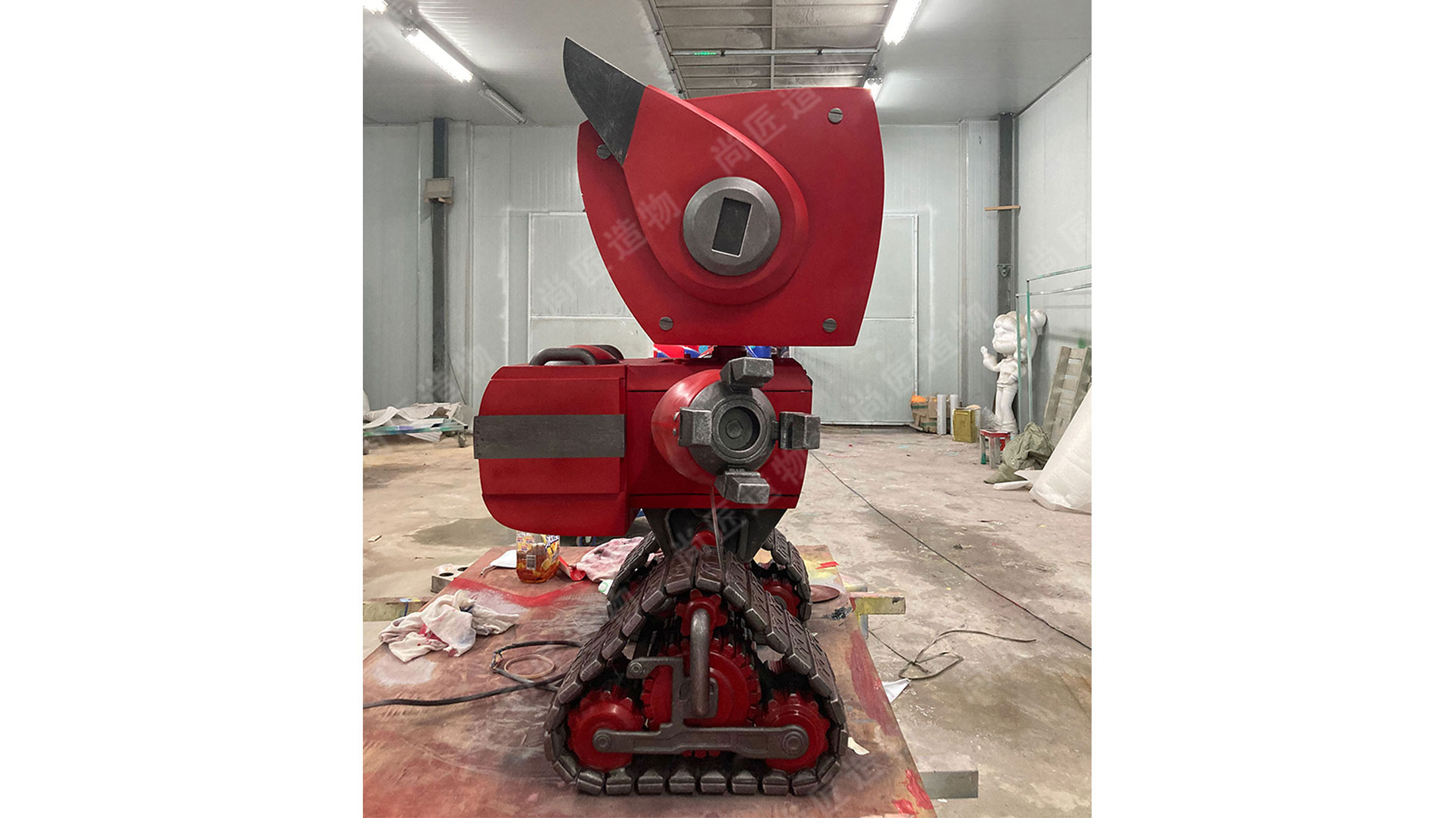
FRP, or fiber-reinforced plastic, has become a vital material in the realm of modern art, especially when it comes to crafting branded mascot sculptures. This lightweight yet durable substance allows artists to create intricate designs that might be challenging with traditional materials. FRP's flexibility means that artists can bring imaginative concepts to life, capturing the essence of iconic characters. In branding, these mascots serve as powerful visual symbols, enhancing recognition and connecting emotionally with audiences. The creative process often involves designing prototypes, which are then transformed into vibrant sculptures that stand out in public spaces. By utilizing FRP, artists contribute to a dynamic blend of creativity and commercial identity that resonates well with consumers. This intersection not only showcases artistic talent but also reinforces brand narratives through visually compelling art forms.
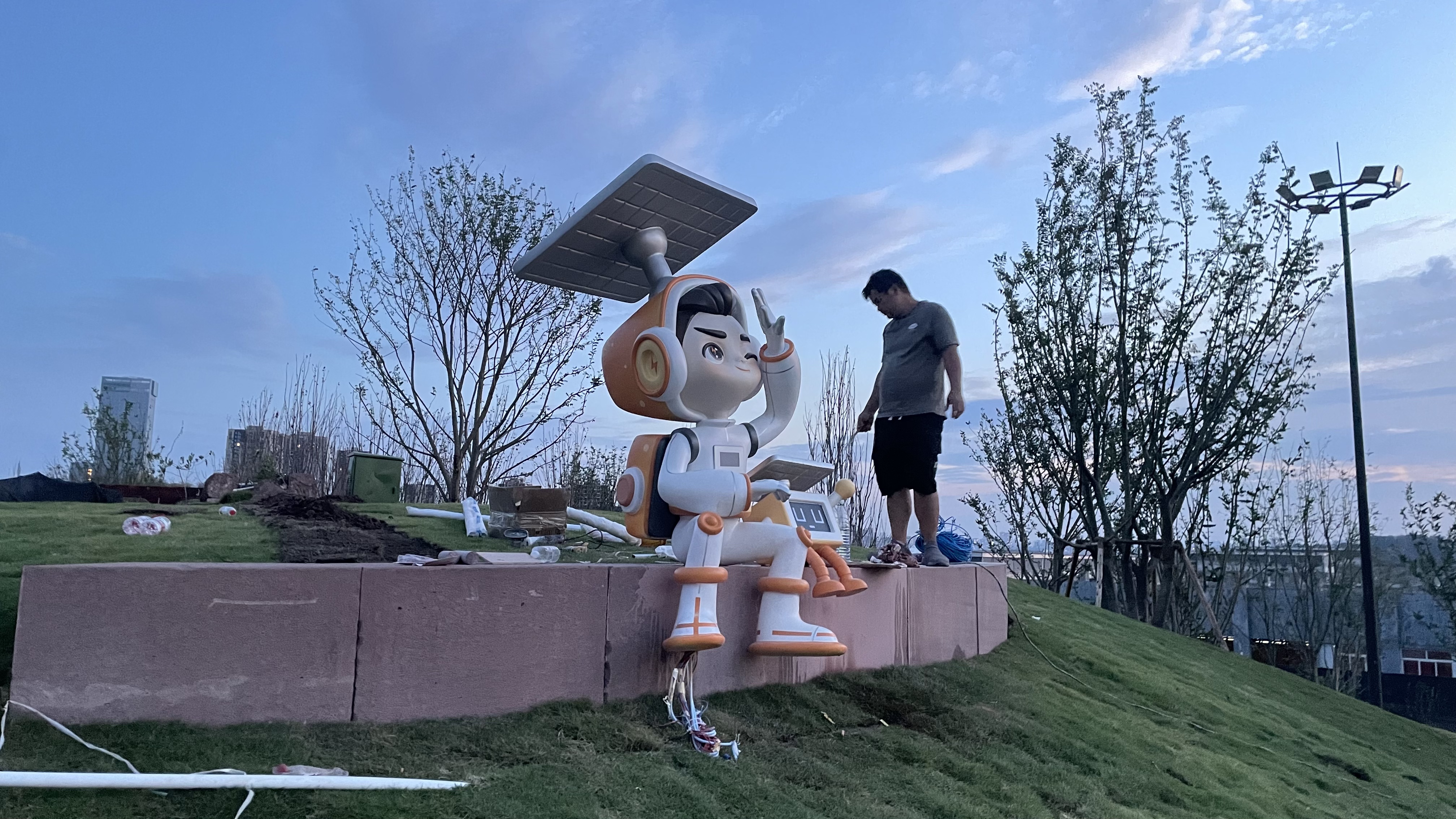
Unique Possibilities: Creative Uses of FRP in Sculptural Work
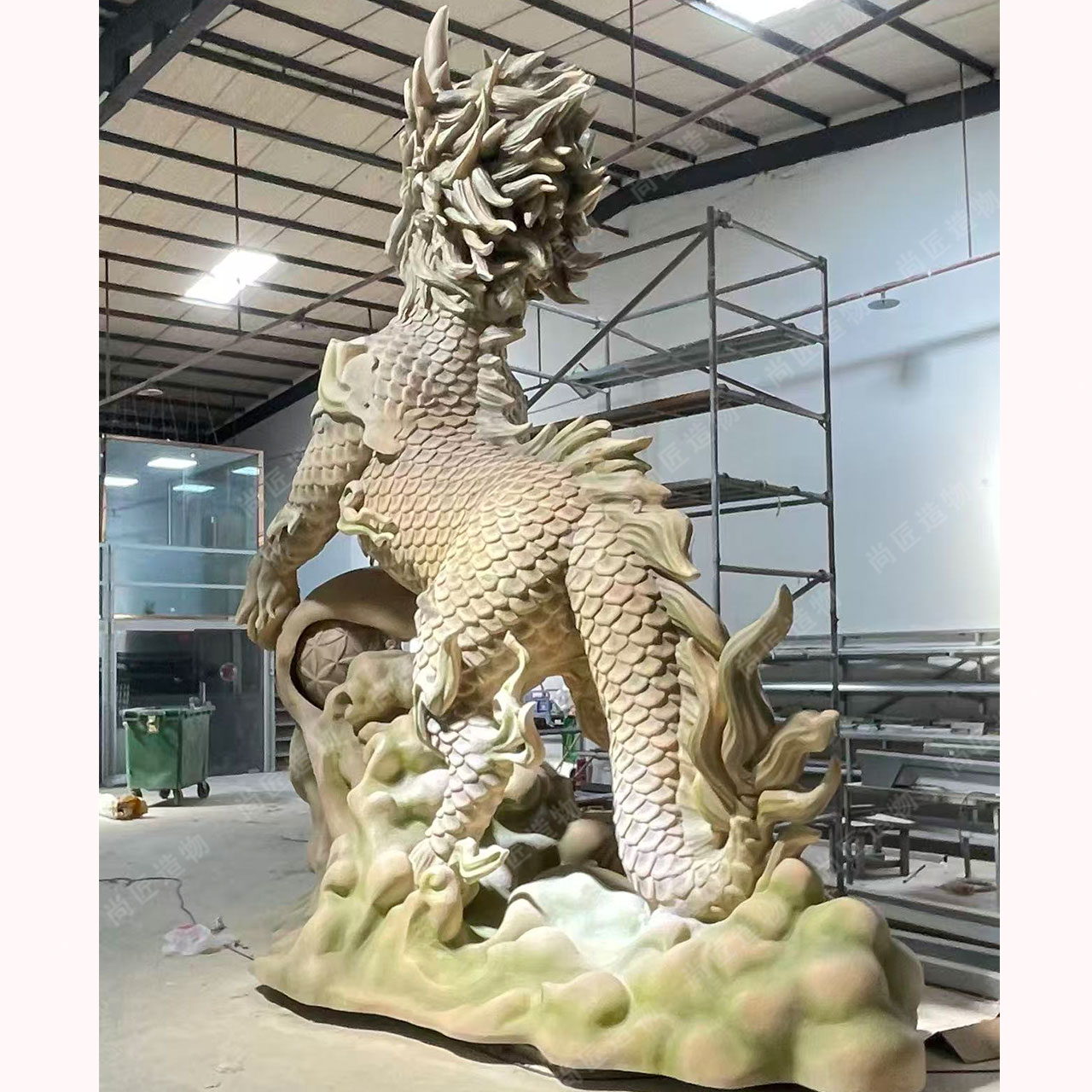
FRP, or fiber-reinforced plastic, offers artists a remarkable palette for creativity in sculptural work. Its lightweight yet durable nature means artists can push the boundaries of traditional forms. For instance, large-scale sculptures can be created without the structural concerns associated with heavier materials. This flexibility allows the design of vibrant, intricate details that may not be feasible with stone or metal. Furthermore, FRP can mimic a variety of textures and finishes, enabling artists to capture the essence of their subjects authentically. As more artists explore this medium, unique installations and representations emerge, showcasing innovation at every turn. Such versatility not only enhances the artistic expression but also elevates brand visibility through engaging sculptures that resonate with audiences. For more insights into this innovative field, explore IP character sculpture.
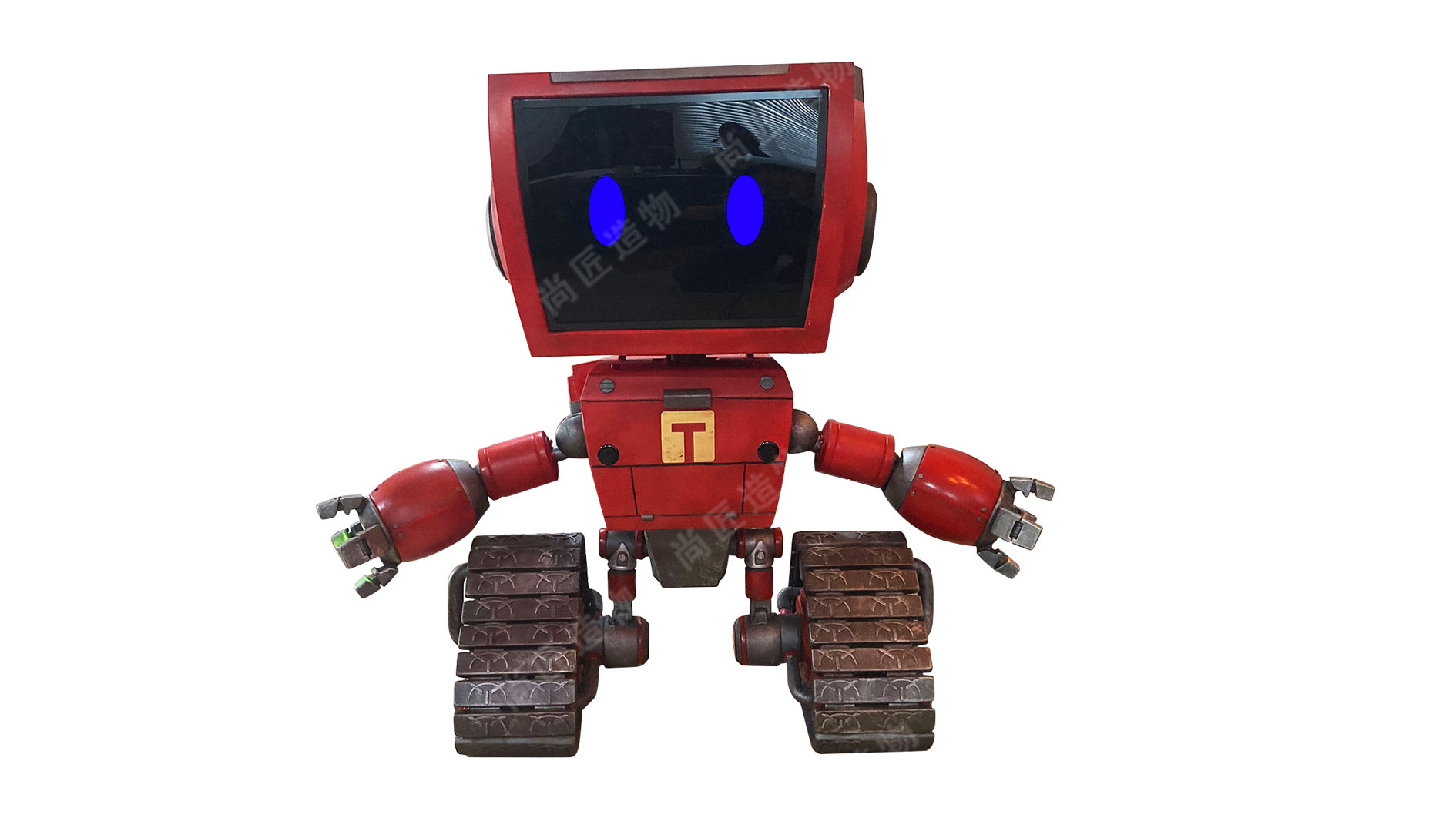
Revitalizing Icons: How FRP enhances Branded Mascot Art
FRP, or fiber-reinforced plastic, plays a crucial role in the world of branded mascot sculptures. This versatile material not only offers durability but also allows for intricate designs that bring characters to life. Artists are able to craft detailed features and vibrant colors that resonate with audiences, creating a memorable visual impact. The lightweight nature of FRP makes it easier to handle and install, enabling large sculptures to be displayed in various settings. For many brands, these mascot sculptures serve as a physical embodiment of their identity, engaging customers in a unique way. The craftsmanship involved in creating these sculptures highlights the relationship between art and branding, showcasing how FRP can elevate an image into an iconic symbol. Additionally, this innovative material opens new doors for creative expression, making it possible to push boundaries in sculpture design while remaining true to brand values. For more insights on related artwork, visit Cartoon sculpture.
Artistic Innovations: Exploring the Emergence of FRP Sculpture
FRP, or fiberglass reinforced plastic, has emerged as a popular medium in the world of sculpture, particularly for artists experimenting with contemporary forms. This material is lauded for its durability, lightweight nature, and versatility, allowing creators to push the boundaries of traditional sculpture. Artists can easily mold FRP into intricate shapes and larger-than-life figures that capture attention and imagination. The rise in its use represents a shift towards embracing innovative materials that offer both artistic freedom and practical application. As brands seek unique ways to connect with their audiences, the adoption of FRP in mascot sculptures illustrates this trend flawlessly. These sculptures not only embody artistic expression but also serve as powerful tools for brand storytelling and engagement. The collaboration of art with commercial branding emphasizes how FRP is reshaping visual communication in public spaces.
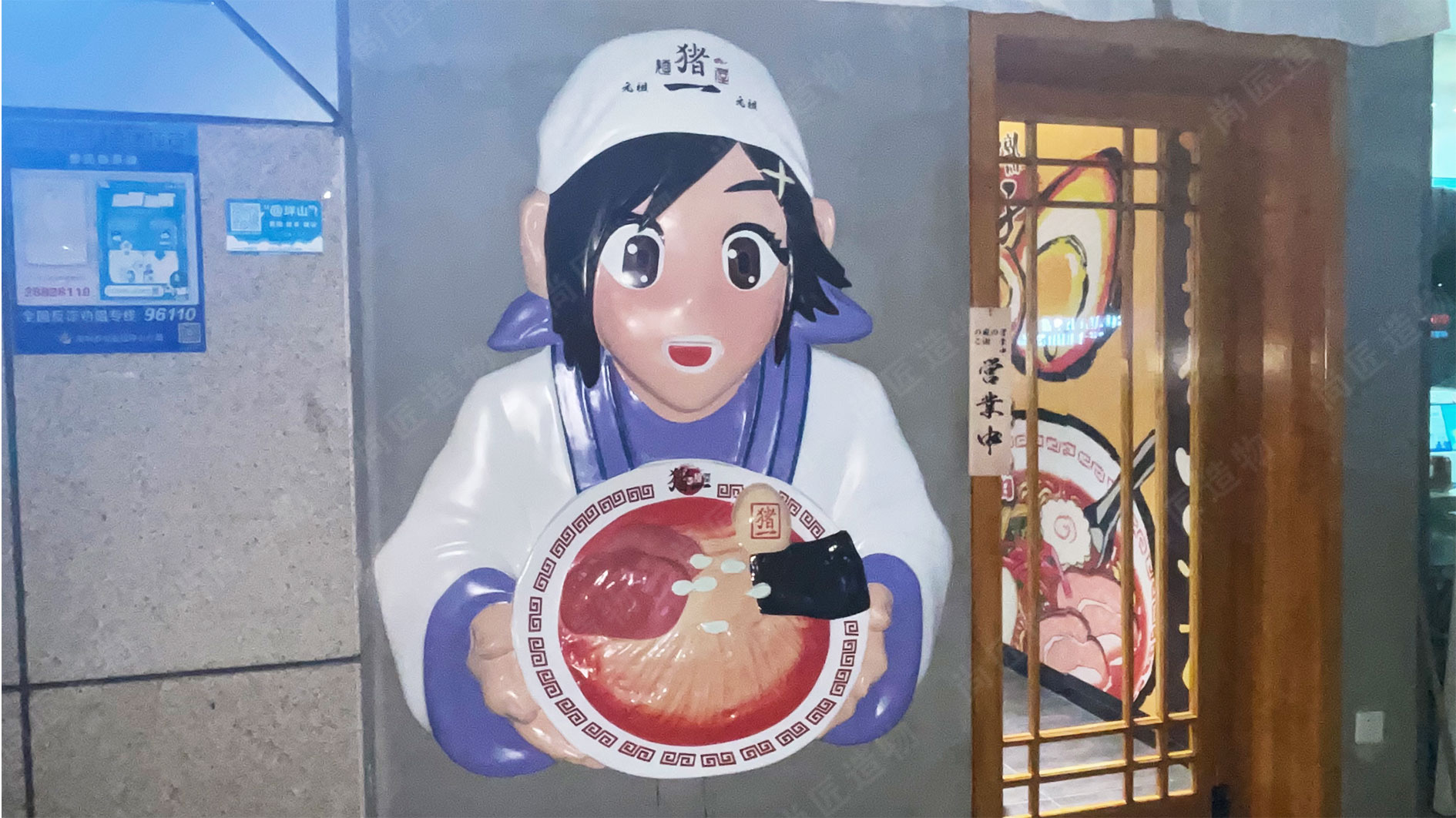
From Concept to Creation: The Journey of FRP Mascot Sculpting
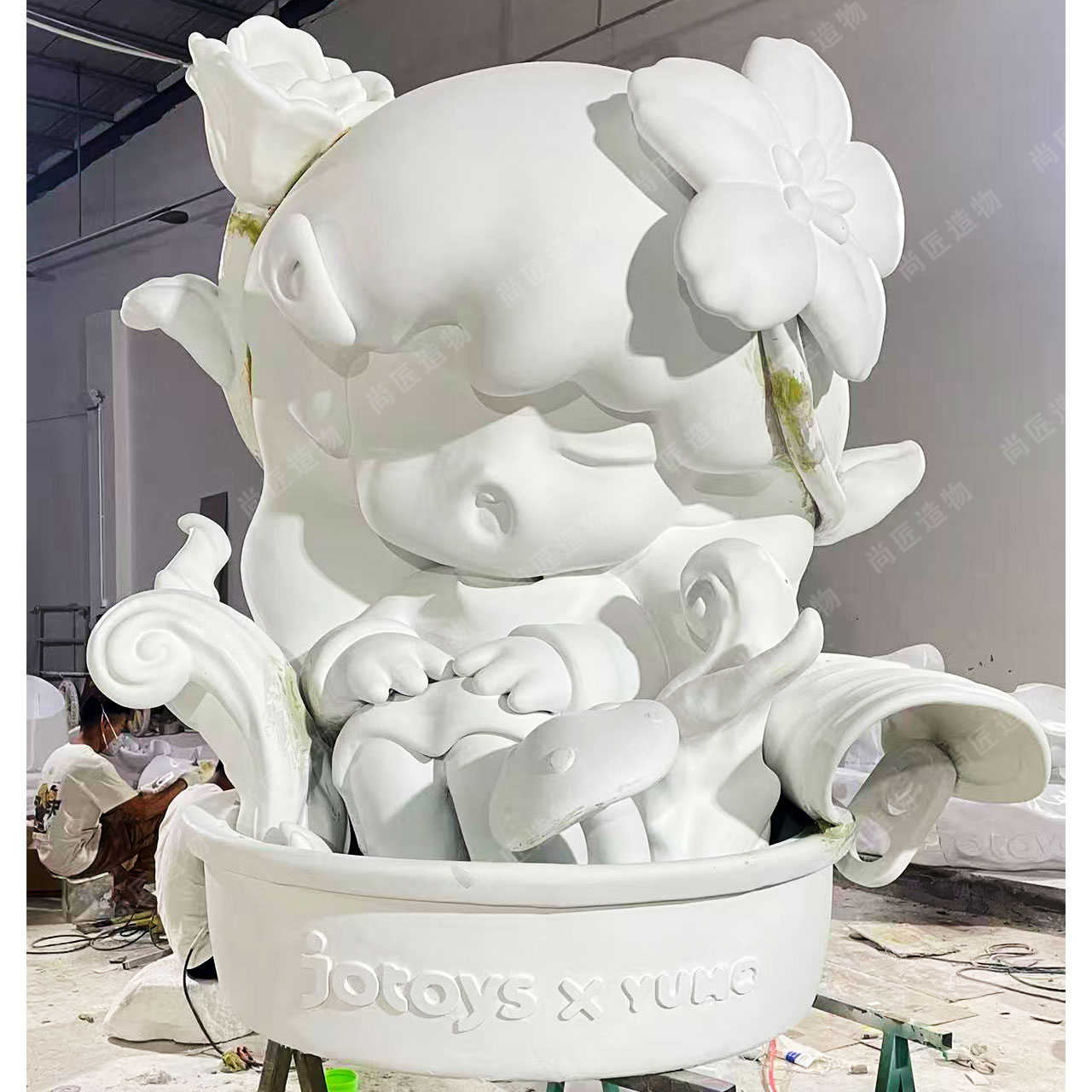
The process of creating FRP mascot sculptures begins with an idea, often inspired by brand characteristics or consumer engagement strategies. Artists collaborate with brands to sketch initial concepts that capture the essence of the character and its desired message. This conceptual phase involves discussions on color, form, and functionality to ensure the sculpture aligns with brand identity. Once the design is approved, sculptors transition to creating a prototype, often using clay or digital models for accuracy. This prototype enables brands to visualize the sculpture in a three-dimensional space before moving on to the final casting. The use of fiberglass-reinforced plastic (FRP) comes into play when sculptors produce molds for the final piece. The material's versatility allows for vibrant colors and intricate details that breathe life into each mascot. After casting, artists incorporate finishing touches that enhance texture and realism, ensuring each mascot stands as a true icon for its brand.
Conclusion
The rise of FRP sculptures in the context of branding marks a significant evolution in how companies can portray their identities. These sculptures not only serve as artistic expressions but also as strategic tools for brand engagement. The unique characteristics of FRP, such as its resilience and versatile design capabilities, allow artists to create interactive works that appeal to audiences. By transforming brands into tangible art forms, FRP mascots foster emotional connections while enhancing visibility in public spaces. The collaboration between artists and brands will likely continue to evolve, leading to more innovative and imaginative uses of FRP in the art world. As more creators harness this material's potential, the landscape of branded art promises to become even more vibrant and diverse.
FAQs
What is FRP sculpture?
FRP sculpture refers to artworks made from fiber-reinforced plastic, a lightweight and durable material ideal for creating intricate and vibrant designs.
Why do artists use FRP for mascot sculptures?
Artists choose FRP for mascot sculptures due to its flexibility, allowing for detailed craftsmanship while ensuring durability against weather elements.
How does FRP contribute to brand identity?
FRP enhances brand identity by creating memorable mascots that resonate with audiences, increasing emotional connections and recognition.
Can FRP sculptures be used outdoors?
Yes, FRP sculptures are designed to withstand outdoor conditions, making them suitable for public displays and promotional events.
What are the benefits of using FRP in modern art?
The benefits of using FRP in modern art include its lightweight nature, vibrant color retention, and ability to mimic various textures, fostering creative expression.