ch
ch English
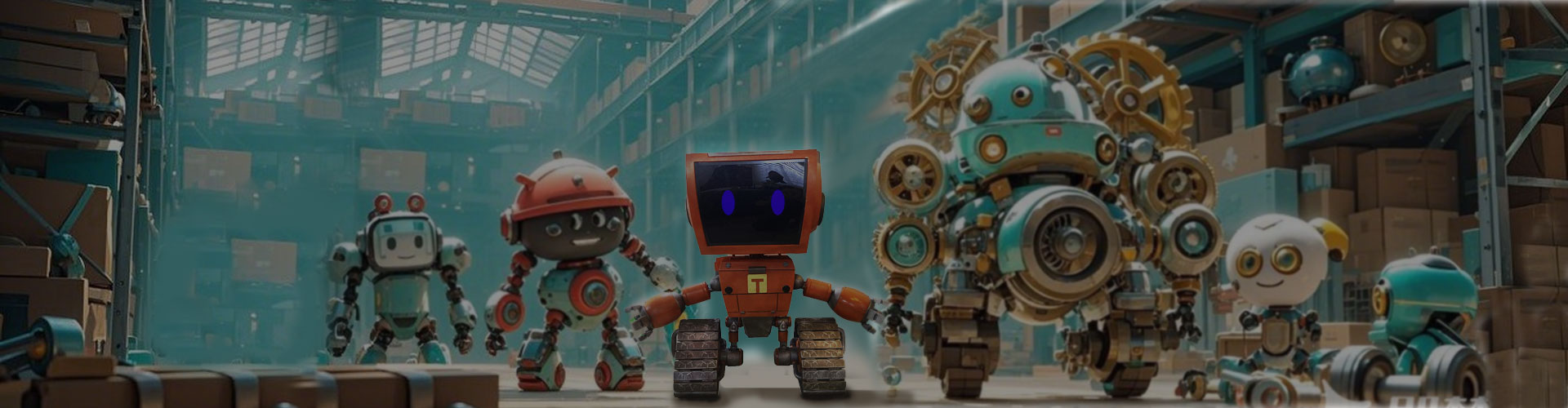
Understanding the legalities surrounding licensed character statues is essential for artists, vendors, and consumers alike. The key distinction lies in the permission required to create such sculptures. Licensed statues owe their existence to agreements with copyright holders, ensuring compliance with intellectual property laws. This not only protects artists and manufacturers from legal repercussions but also secures a space in the market for genuine products. For collectors, recognizing licensed pieces fosters respect for original creators and helps them make informed purchasing decisions. In essence, engendering respect for these laws enhances the overall integrity and appeal of character sculptures in the marketplace.
The Legal Basis of Licensed Character Statues Explained
Licensed character statues are carefully crafted under strict legal guidelines, ensuring they comply with copyright laws. These statues often feature well-known characters from movies, TV shows, or books, which are protected by intellectual property rights. To create a licensed statue, manufacturers must obtain permission from the copyright holder, typically through a licensing agreement. This agreement outlines how the character can be used, stipulating the scope of production and how the figures may be marketed.
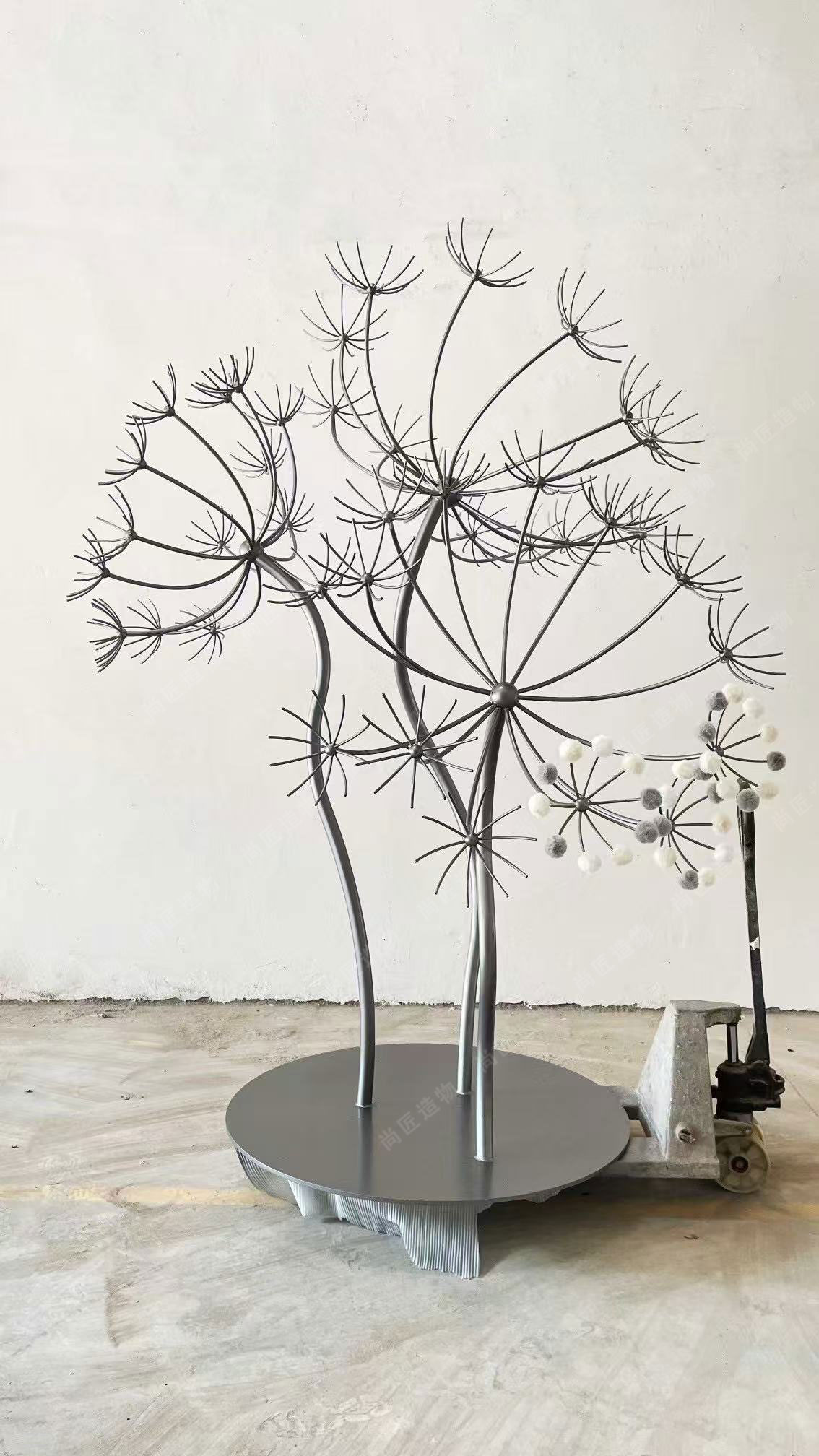
Unlicensed statues, on the other hand, can lead to legal consequences for creators and sellers. The absence of permission means these works infringe on copyright protections. It’s essential for artists and retailers to understand that intellectual property laws directly affect their choices in design and selling. For those interested in durable materials for sculpture design, exploring options like Stainless steel sculpturecan also offer unique aesthetic choices that comply with legal standards. With this knowledge in mind, it's clear that adhering to copyright laws not only protects creators but also respects the original work of artists behind beloved characters.
Understanding the Distinction Between Licensed and Unlicensed Sculptures
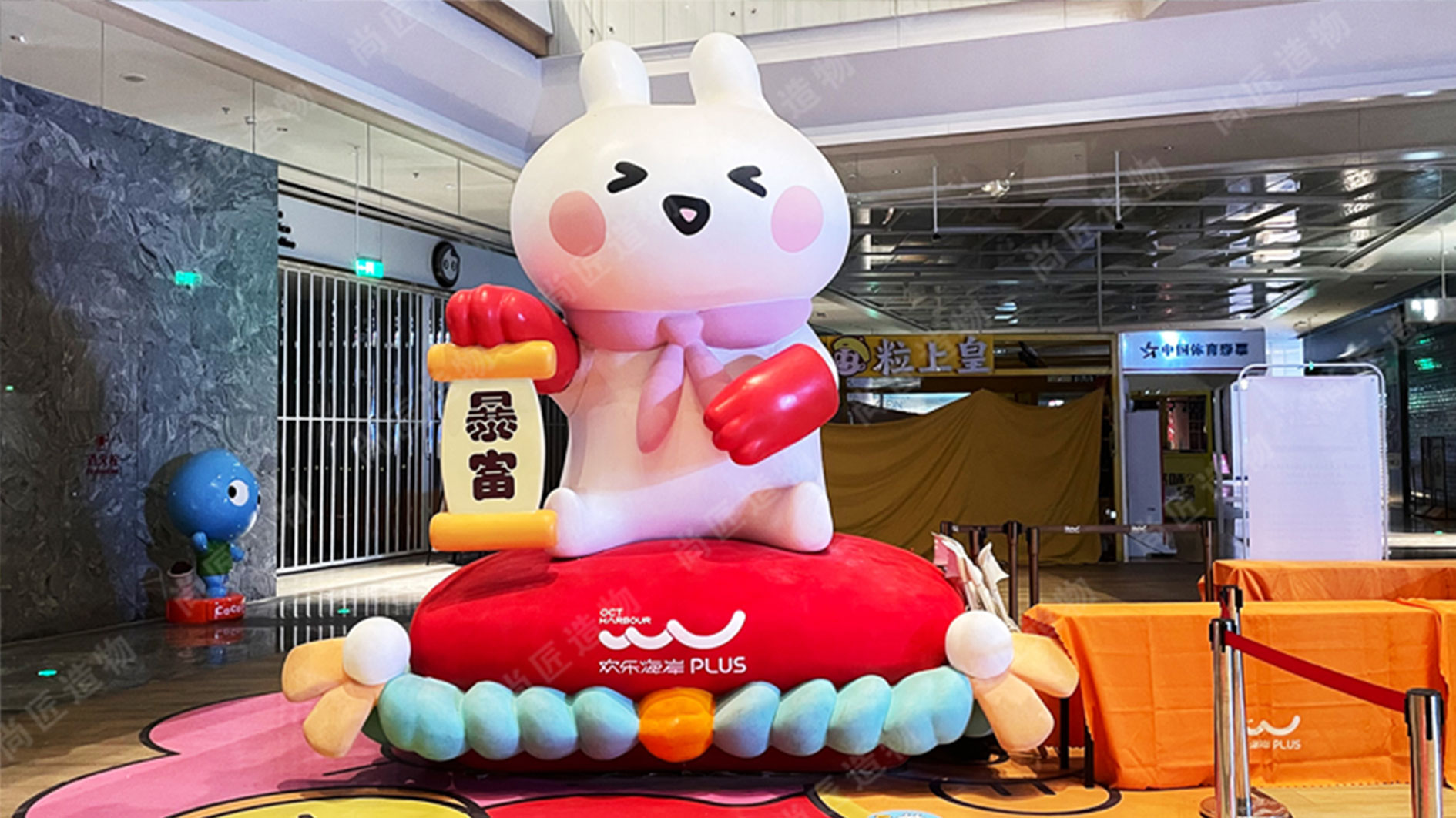
Licensed character statues are crafted with permission from the original creators or owners of the characters. This licensing ensures that the sculptures legally represent the characters, adhering to specific design guidelines laid out in contracts. These sculptures often incorporate unique traits, designs, and branding elements that resonate with fans and collectors while ensuring copyright compliance. In contrast, unlicensed sculptures may skew closely to well-known characters but lack the authorization needed to be deemed legal. This distinction can have serious implications for artists and vendors, as selling unlicensed works can lead to legal consequences. Furthermore, understanding this difference is critical for consumers purchasing these items, as they may inadvertently support copyright infringement when they opt for unlicensed merchandise. Thus, identifying whether a sculpture is licensed helps buyers make informed decisions in maintaining intellectual property respect in collecting practices. For those interested in more information about branded items and character representations, explore Cartoon sculpture.
Copyright Implications for Branded Mascot Sculptures
Creating branded mascot sculptures involves significant copyright considerations. When an artist designs a sculpture based on a licensed character, they must ensure that their work is compliant with intellectual property laws. This means obtaining proper licensing agreements from copyright holders. Without these agreements, artists risk legal action for infringement, as the characters they depict are protected by copyright laws.
The implications of these laws extend to the sale of these sculptures. Selling unlicensed figures can lead to lawsuits, hefty fines, and the potential loss of the ability to continue creating similar works. Conversely, licensed character statues provide artists with more freedom and security in their craft; they can sell their creations without fear of legal repercussions.
| Aspect | Licensed Sculptures | Unlicensed Sculptures |
|---|---|---|
| Legal Protection | Yes | No |
| Risk of Copyright Infringement | Low | High |
| Ability to Sell | Yes | Restricted |
Understanding these copyright implications is crucial for both artists and consumers in the sculpture industry. Moreover, adhering to legal standards not only protects creators but also supports a fair marketplace for all involved.
Why Intellectual Property Laws Matter in Statues and Sculptures
Intellectual property laws play a crucial role in the world of statues and sculptures, especially when it comes to licensed character figures. These laws help protect the rights of artists and creators, ensuring that original designs are not copied without permission. For licensed character statues, these protections mean that manufacturers must obtain the necessary rights from copyright holders before creating and selling their sculptures. This not only keeps the industry fair for creators but also allows fans to enjoy officially recognized products without fear of legal issues. Understanding these laws is essential for anyone involved in the production or sale of sculptures to avoid potential legal pitfalls and respect artistic integrity. Moreover, these regulations help maintain the value of original work, which benefits both artists and consumers alike. For those interested in Realistic sculpturedesigns, knowing about intellectual property can enhance appreciation for licensed products compared to unlicensed options.

Key Features That Define Legal Licensed Character Statues
Legal licensed character statues are crafted with specific attributes that adhere to copyright laws and licensing agreements. First, they must include proper branding and trademarks, ensuring that the character's likeness is officially approved by the rights holder. Additionally, high-quality materials are typically used to reflect the standards set by licensing agreements.
"Each licensed piece must represent the character true to its source material, capturing distinctive features and styles." Furthermore, proper documentation is essential, as it confirms ownership of the rights for reproduction. These statues also often have distinct markings or tags that indicate they are official merchandise.
For individuals or businesses interested in creating or selling such sculptures, understanding these characteristics is vital to avoid potential legal repercussions and ensure compliance with intellectual property laws.
The Risks of Selling Unlicensed Mascot Figures: A Legal Overview
Selling unlicensed mascot figures carries significant legal risks. When creators or vendors produce and sell statues or figures without obtaining the proper licenses, they breach copyright laws. This can lead to legal action from copyright holders who have the exclusive rights to reproduce characters and trademarks. The penalties for infringement can include hefty fines and the potential seizure of products, which could significantly impact financial stability for small business owners. Additionally, vendors may face reputational damage that can deter future customers if they are associated with illegal practices. Understanding these risks is crucial for anyone looking to enter the market with character sculptures, as protecting intellectual property is essential for both creators and consumers alike. Compliance with licensing regulations not only safeguards against legal trouble but also respects the original artists’ rights.
Exploring How Licensing Affects Character Sculpture Designs
Licensing plays a crucial role in shaping the designs of character sculptures. When artists or companies obtain licenses, they gain the legal rights to use specific characters or trademarks, which directly influences the design process. Licensed character statues often incorporate exact likenesses and details that are approved by copyright holders, ensuring that these sculptures resonate authentically with fans. In contrast, unlicensed designs may struggle with original interpretations that could risk copyright infringement. This distinction affects everything from the design elements to marketing strategies. Consequently, licensed sculptures can often command higher prices due to their authenticity and backing from major brands, reinforcing the importance of understanding licensing in creative endeavors.
Navigating the Fine Line Between Inspiration and Infringement in Art
Art often thrives on inspiration, but this can lead to blurred lines, especially in the realm of character sculptures. Artists frequently draw from their favorite characters across various media. However, using these likenesses without permission can lead to significant legal trouble. A licensed character statue is typically based on a well-known figure but is created with explicit permission from the copyright holder. This authorization ensures that the artist respects the intellectual property rights that protect these characters.
Conversely, unlicensed sculptures may appear similar but lack this essential clearance, putting the artist at risk of infringement claims. The challenge arises when differentiating between inspiration and direct copying, which can be subjective and open to interpretation. While many artists believe they are creating original works inspired by beloved characters, failing to secure proper licensing could result in sales being halted or even facing legal repercussions. Understanding these distinctions is vital for artists who wish to navigate this creative space while respecting legal frameworks surrounding intellectual property.
Conclusion
Navigating the world of licensed character statues highlights the importance of understanding legal distinctions in intellectual property. These sculptures not only bring beloved characters to life, but they also serve as key examples of how copyright laws shape creative processes. Artists and manufacturers must ensure compliance with licensing agreements to avoid potential legal issues, which can stem from using copyrighted material without permission. By focusing on ethical practices and respecting the rights of original creators, the industry can thrive while providing consumers with authentic and compelling products. Ultimately, acknowledging these legal frameworks fosters a responsible environment for both artists and collectors in the realm of character sculptures.
FAQs
What are licensed character statues?
Licensed character statues are sculptures created with explicit permission from the original copyright holders, ensuring compliance with intellectual property laws.
How do you differentiate between licensed and unlicensed sculptures?
Licensed sculptures adhere to specific design guidelines set by contracts with copyright holders, while unlicensed ones lack permission and may infringe on copyright.
What are the consequences of selling unlicensed mascots?
Selling unlicensed mascots can lead to legal action, including fines and product seizures, damaging financial standing and reputation.
Why is it crucial to understand intellectual property laws in sculpture design?
Understanding these laws helps artists and manufacturers avoid legal issues and respect the rights of original creators, fostering a fair marketplace.
How does licensing impact the design of character sculptures?
Licensing ensures that designs reflect approved character likenesses, allowing for authenticity that appeals to fans and affects marketing strategies.