ch
ch English
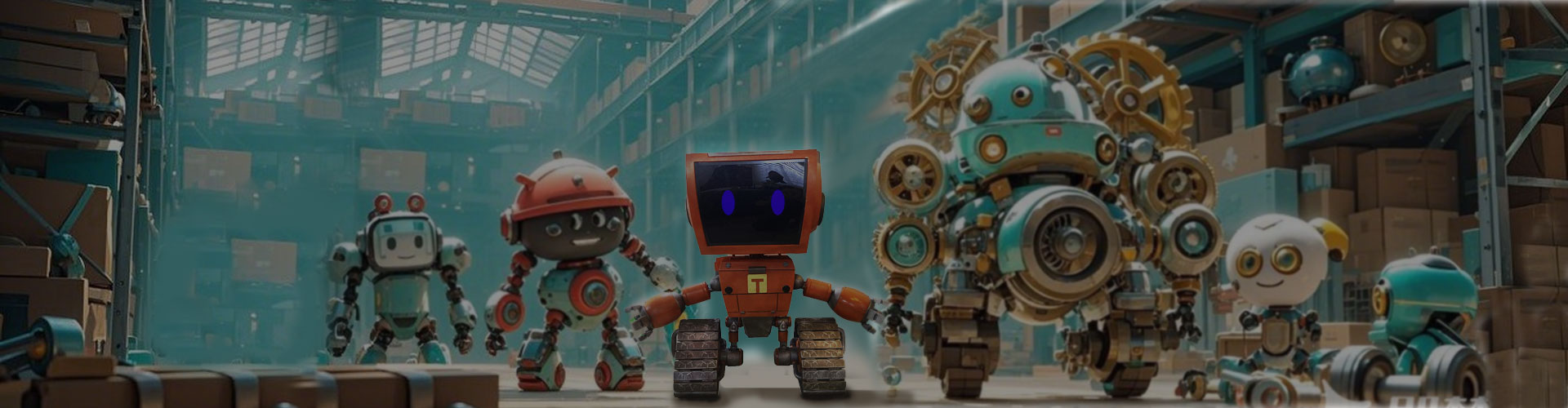
Moving sculpture art significantly enhances modern cartoon design, bridging the gap between creativity and audience engagement. By incorporating movement, artists create dynamic experiences that resonate more deeply with viewers. This form of art allows characters to express emotions and narratives vividly, leading to a stronger connection with audiences. The integration of kinetic elements and innovative techniques empowers artists to explore new storytelling dimensions, while materials like fiberglass and resin ensure durability and vibrant aesthetics. As a result, moving sculptures not only enrich the representation of cartoon characters but also open new avenues for artistic collaboration, transforming how stories are told in contemporary design.
The Role of Moving Sculpture Art in Modern Cartoon Design
Moving sculpture art plays a vital role in the evolution of modern cartoon design. By incorporating movement, artists can create more engaging and dynamic experiences that capture viewers’ attention. This form of art allows for a deeper exploration of character expression and storytelling. As characters move, they tell a story beyond static images, encouraging audiences to connect emotionally and interactively.
"The beauty of moving sculptures is that they bridge the gap between the audience and the artistry, making art feel alive."
Innovative techniques such as kinetic elements allow designers to push boundaries, adding depth to character portrayal in cartoons. These dynamic structures can represent emotions and physical actions more effectively than traditional methods. Moreover, integrating movement in cartoon sculptures fosters creativity by inspiring new ideas for character designs and animations.
Additionally, these artworks encourage collaboration between sculptors and animators, resulting in fresh storytelling methods that captivate diverse audiences. In this way, moving sculpture art is essential for developing modern cartoon design while enhancing overall artistic expression through creative visualization.
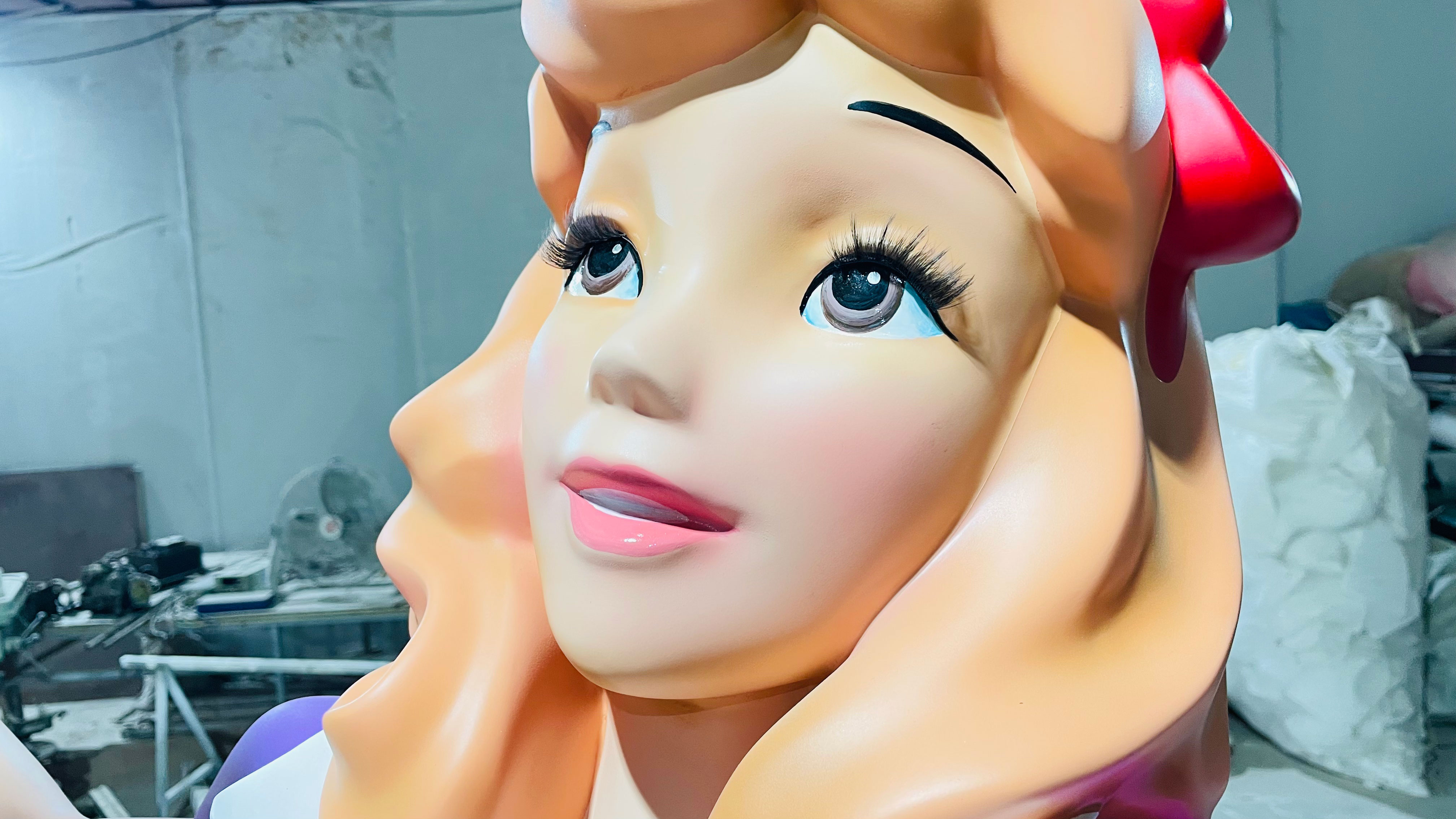
Enhancing Creativity through Cartoon Sculptures
Cartoon sculptures offer a unique avenue for artists to push their creativity and explore new design possibilities. By incorporating elements of movement, these sculptures can elevate traditional static forms and invite viewers to engage in a dynamic experience. The incorporation of kinetic elements, for instance, can turn a simple character representation into an animated storyline, captivating audiences and sparking their imagination. Artists can experiment with various materials and techniques, such as balance and mechanics, to create interactive sculptures that resonate with viewers on multiple levels. This innovation not only enhances visual appeal but also deepens the connection between the artwork and its audience, making each encounter memorable. To discover more about this evolving art form, explore the fascinating world of kinetic sculpture.
Innovative Techniques in Cartoon Sculpture Art
Cartoon sculpture art has evolved significantly, incorporating various innovative techniques that enhance both appearance and functionality. Artists now use materials like fiberglass, resin, and even stainless steel sculptureto create dynamic pieces that can withstand outdoor elements while maintaining vibrant colors. Some creators utilize kinetic elements, allowing sculptures to move or change form with wind or through mechanical means, which adds a layer of interactivity. This shift towards motion not only attracts attention but also deepens viewers' emotional connections with the characters represented in the sculptures. Moreover, 3D printing technology has opened up new possibilities for intricate designs that were previously challenging to achieve, making it easier for artists to experiment and refine their visions. As these techniques progress, they play a critical role in blending traditional cartoon aesthetics with modern artistic expression, engaging audiences in fresh and exciting ways.
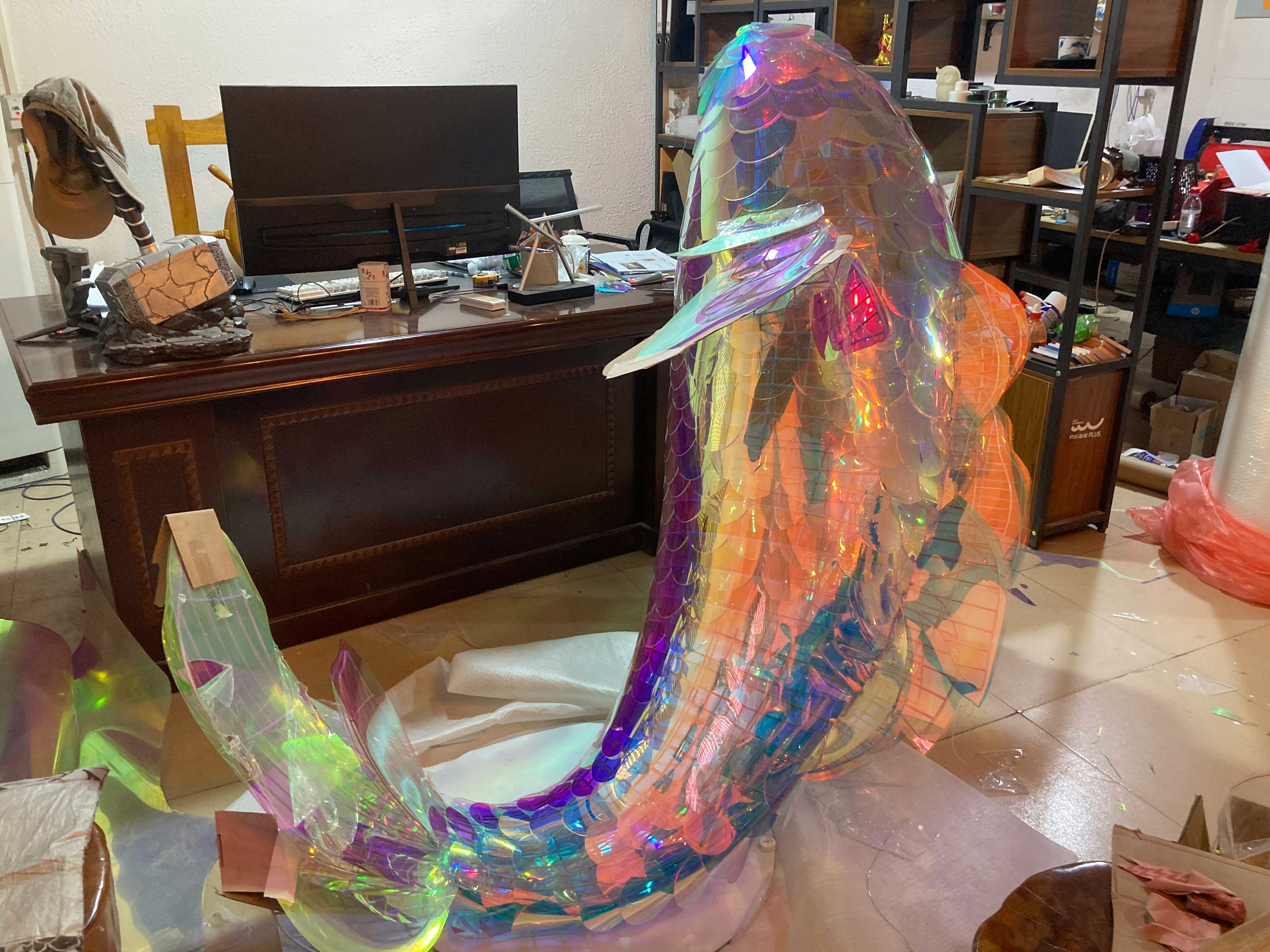
Bringing Characters to Life: The Impact of Moving Sculptures
Moving sculptures play a crucial role in modern cartoon design by transforming static characters into dynamic figures. These sculptures engage audiences in ways that traditional animation often cannot, as they invite viewers to interact with the art. By integrating movement, artists can explore new dimensions of storytelling, enhancing emotional connections with characters. For instance, a character that spins or transforms can convey deeper narratives through visual cues that resonate with the audience. Techniques such as kinetic elements and programmable movements provide endless possibilities for creativity, allowing animators to experiment and innovate. The impact on audience engagement is significant; viewers often feel a stronger connection to characters that exhibit lifelike motions and expressions. Ultimately, moving sculptures not only enrich cartoon narratives but also push the boundaries of traditional art forms. For ideas on design and materials, consider exploring Fiberglass sculpture.
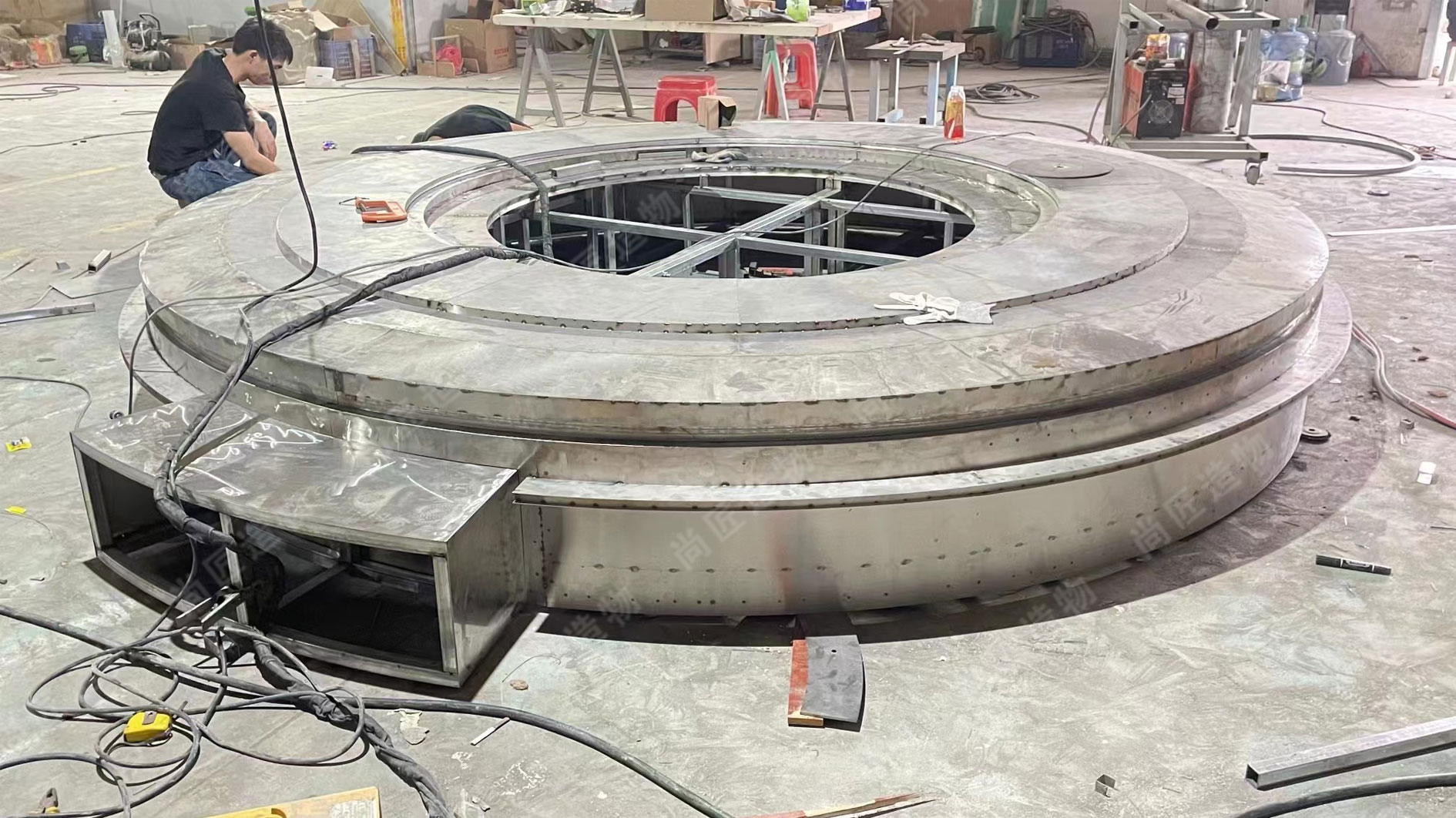
Engaging Audiences with Dynamic Cartoon Designs
Dynamic cartoon designs captivate audiences by merging movement with imaginative expression. Artists can enhance storytelling by incorporating kinetic elements that breathe life into characters. This approach allows viewers to connect emotionally, as the fluidity of movement reflects personality traits and actions. Whether it's a spinning character or a figure that shifts poses, these dynamic elements draw attention and stimulate interest. Utilizing modern technology, creators can explore interactive installations that invite audience participation, making the experience more immersive. By making cartoon characters responsive to viewers, artists can deepen engagement and heighten appreciation for the artistry behind the design. As a result, dynamic cartoon designs not only entertain but also foster a sense of connection and involvement among audiences.
Exploring the Significance of Animation in Sculptural Art
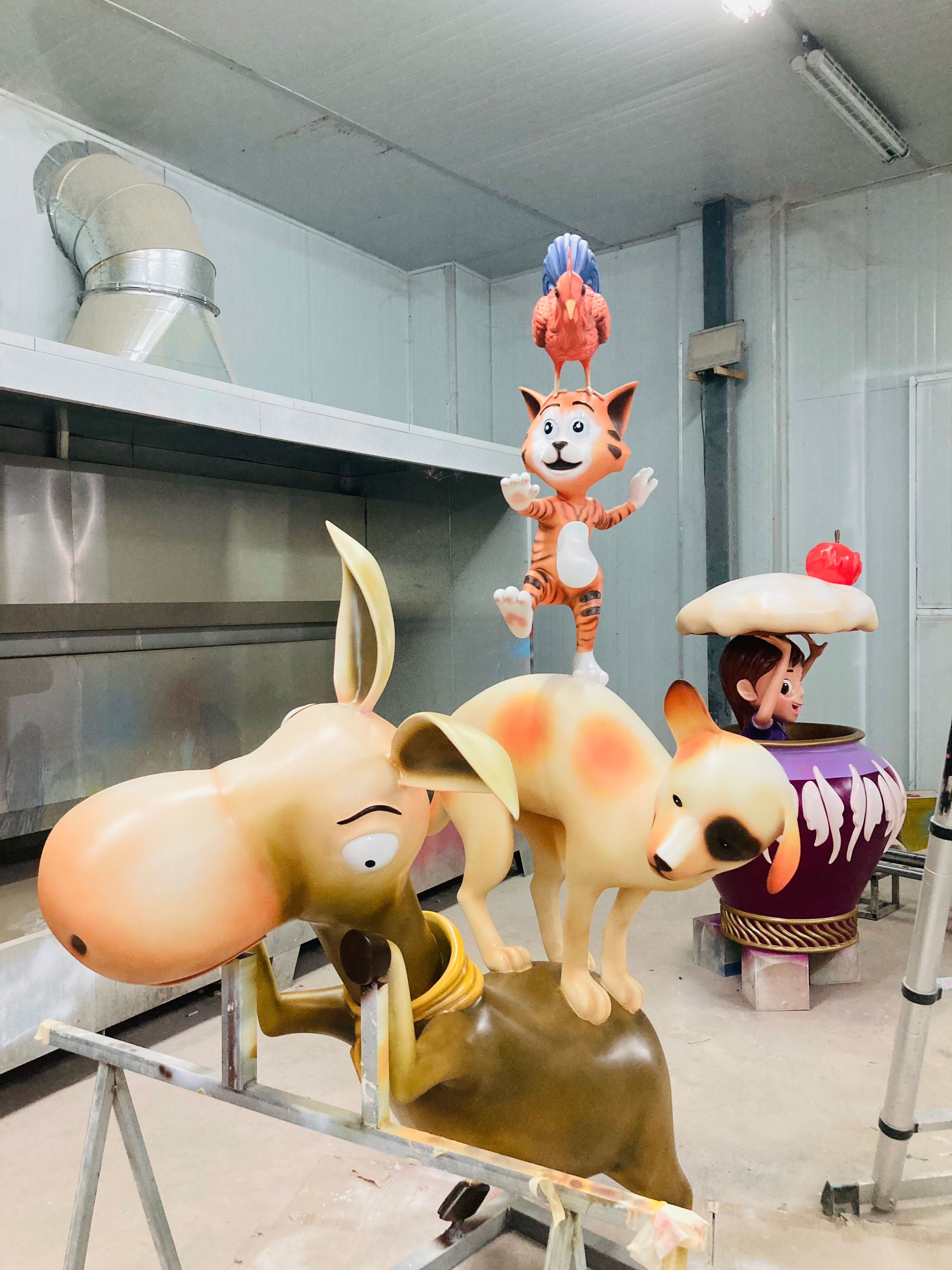
Animation plays a crucial role in the realm of sculptural art, where movement adds a dynamic element to otherwise static forms. This fusion allows artists to explore new dimensions in their work, enhancing storytelling and emotional engagement. For instance, animating a cartoon sculpture can breathe life into characters, making them more relatable and vibrant. Each movement can reflect personality traits or narratives, which captivates audiences and prompts deeper connections. Innovative approaches utilize technology alongside traditional sculpting techniques to create stunning visual experiences. Artists often experiment with kinetic elements, allowing sculptures to interact with their environment or engage viewers in playful ways. This blend of animation and sculpture not only redefines artistic boundaries but also transforms how audiences perceive and experience art. For those interested in further exploring this intersection of design, realistic techniques such as Realistic sculptureoffer insights into integrating motion effectively within sculptural practice.
Transforming Characters: The Fusion of Movement and Design
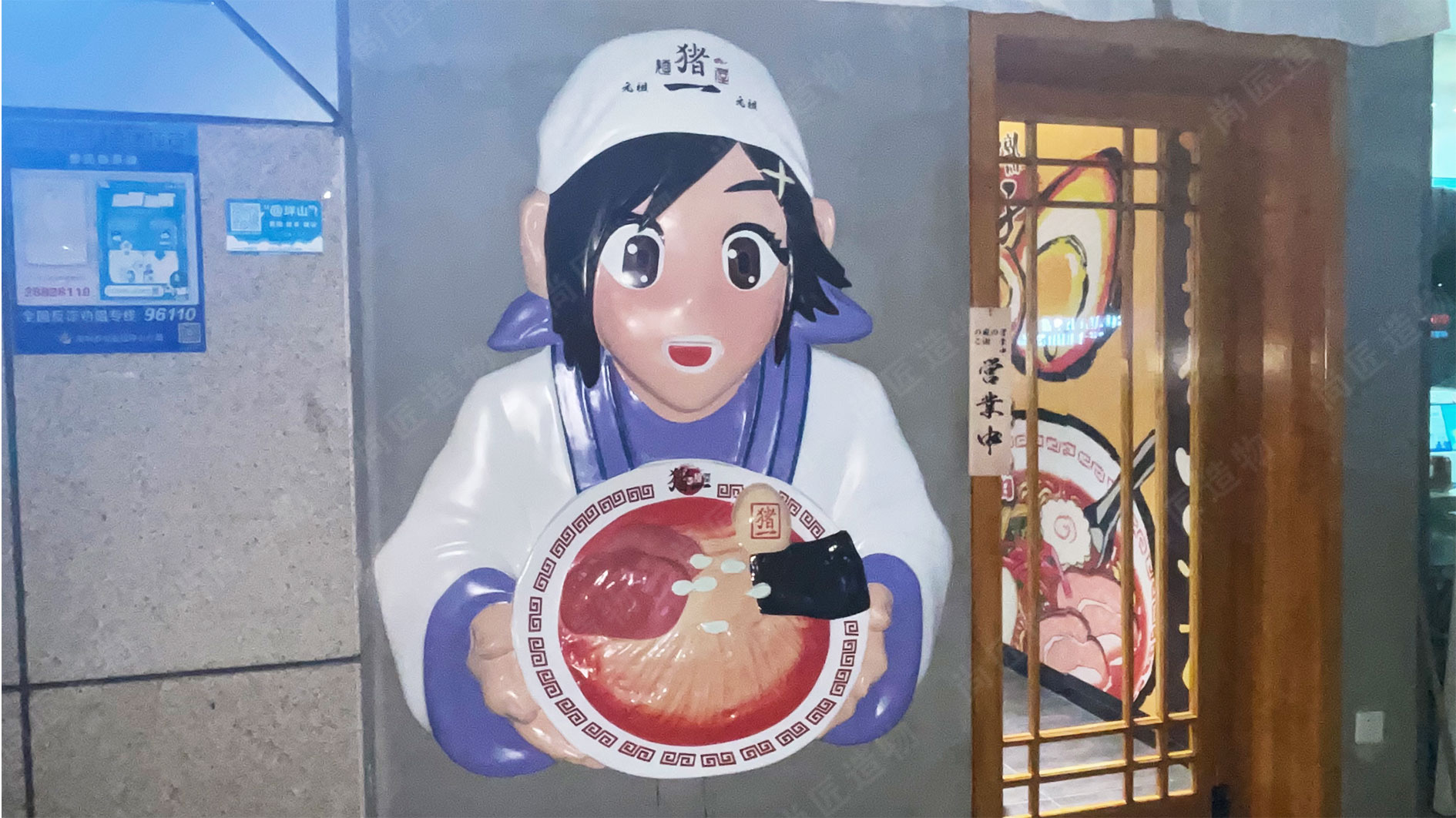
Moving sculpture art plays a vital role in modern cartoon design by transforming static characters into dynamic figures. This fusion of movement and design breathes life into creations, allowing artists to explore new dimensions of storytelling. Through techniques like kinetic elements and interactive features, cartoon sculptures become more than just visuals; they engage audiences on multiple levels. Movement highlights the personality of each character, making them relatable and memorable. By integrating movement within sculptures, artists can create experiences that captivate viewers' imaginations, encouraging them to connect with the art in ways that traditional static forms cannot achieve. This blend of design and animation opens up a world of possibilities for character expression, consistently pushing the boundaries of creativity in the realm of cartoons.
Captivating Audience Imagination through Cartoon Sculptures
Cartoon sculptures play a vital role in sparking the imagination of audiences. These dynamic pieces transform static characters into lively entities, actively engaging viewers by conveying emotion and movement. When cartoon sculptures incorporate elements like rotation or interactive components, they create a unique experience that draws in both children and adults. This innovative approach allows artists to explore character traits and backstories through physical representation, making the artwork more relatable and immersive. As audiences interact with these sculptures, they become participants in the storytelling, fostering a deeper connection with the art. By merging creativity with movement, cartoon sculptures not only capture attention but also inspire new narratives within contemporary design.
Conclusion
In conclusion, moving sculpture art has a significant impact on modern cartoon design, blending creativity and technology to create engaging experiences. By incorporating kinetic elements, artists not only enhance character expression but also enrich storytelling. This dynamic form of art allows viewers to connect with the characters in ways that static designs cannot achieve. As audiences engage with sculptures that move and interact, their emotional investment deepens, enriching their overall experience. The fusion of movement and cartoon design has opened new avenues for artistic exploration, encouraging collaboration among artists and animators to push creative boundaries. Ultimately, moving sculptures not only captivate the imagination but also redefine the relationship between art and audience interaction in the contemporary landscape of cartoon design.
FAQs
What are cartoon sculptures?
Cartoon sculptures are three-dimensional art pieces that represent characters or themes from cartoons, often incorporating movement or interactive elements.
How does movement enhance cartoon sculptures?
Movement breathes life into cartoon sculptures, allowing characters to express emotions and narratives that static forms cannot achieve.
What materials are commonly used for cartoon sculptures?
Artists frequently use materials such as fiberglass, resin, and metal to create vibrant and durable cartoon sculptures.
Why are kinetic elements important in cartoon design?
Kinetic elements add a dynamic aspect to cartoon designs, engaging viewers more effectively by creating an immersive experience that invites interaction.
How do moving sculptures influence audience engagement?
Moving sculptures captivate audiences by transforming viewers from passive observers into active participants in the storytelling experience.